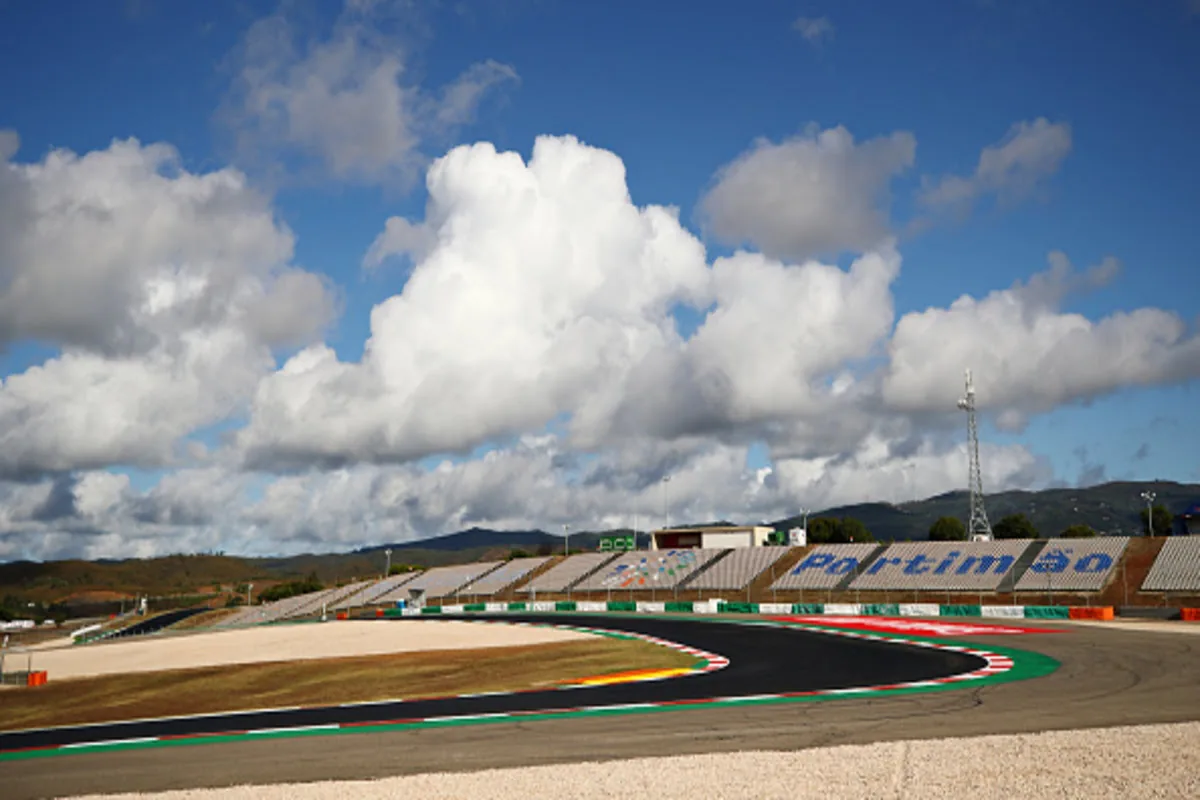

This weekend Formula 1 will conclude its summer break at Zandvoort, where the 38th edition of the Dutch Grand Prix will take place. A weekend that will be unmissable for the ‘Orange’ fans, who will no longer be able to watch the home races from the next championship, due to the removal of the track from the calendar that has always been the venue of the GP in the Netherlands. From the early years of F1 to today, with a long break starting in 1986 and interrupted in 2021, Zandvoort has been the stage of memorable races, many of which ended with the first or last career wins of many drivers, where celebrations for the victories of the Drivers’ and Constructors’ World Championships were not missing. In short, bedankt (thank you) Zandvoort for all these emotions!
Read more IONIQ 3 production begins
’50s: Italian successes
The first edition of the Dutch Grand Prix valid for the Formula 1 World Championship took place in 1952, in a race that ended with an Italian triple: the winner was the Ferrari driver Alberto Ascari (who also achieved a Grand Chelem), ahead of his teammates Giuseppe Farina and Luigi Villoresi. The Milanese driver repeated the feat a year later, again with an almost completely ‘blue’ podium. Behind him were Luigi Villoresi and Felice Bonetti, but the latter, driving a Maserati, shared third place with the Argentine Juan Manuel Gonzalez. The decade was also particularly important for the debut of Porsche as a team and constructor, with the German manufacturer participating in its first race precisely at Zandvoort in 1958. A year later, finally, Jo Bonnier (after his first and only pole position in his career) celebrated his first victory, bringing the BRM to the top step of the podium for the first time.
’60s: first wins and first podiums
Great joys were not lacking for other drivers in the following decade, starting with the 1960 edition: it was here, in fact, that future world champion Graham Hill stood on the podium for the first time in his career (curiously, he won his first race also at Zandvoort in 1962), in a race that also saw the first participation of another driver destined to enter the F1 hall of fame: Jim Clark. Memorable, still in the early ’60s, was what happened in 1961: more than for the first career win of another driver like Wolfgang von Trips, the race was the first in Formula 1 history to finish without any retirements, with all cars that started reaching the finish line regularly. The aforementioned Jim Clark, after his debut in 1960, also achieved his first victory in 1967, contributing to the ‘number 1’ success of the Ford-Cosworth engine. The most memorable editions of the ’60s finally saw Jackie Stewart as the protagonist in 1968, who gave the Matra team its first victory.
’70s: from Courage’s tragedy to Villeneuve’s legendary lap
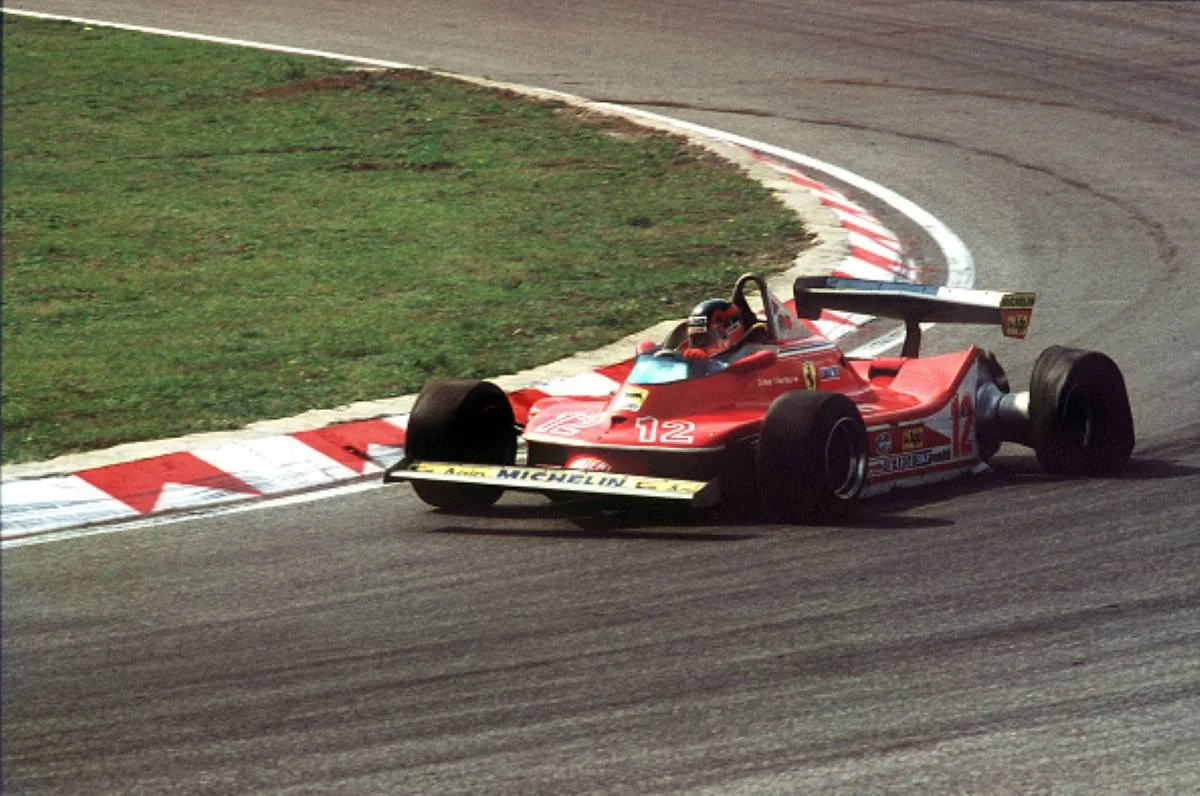
The new decade of the Dutch GP unfortunately began with a tragedy: in 1970, the debut of a driver like Clay Regazzoni was overshadowed by the fatal accident of Piers Courage, who lost his life following a violent impact against an embankment and the subsequent fire, with the race not being stopped anyway. The Netherlands, however, smiled particularly on James Hunt: in 1973, in a race that did not see the participation of Ferrari (due to Enzo Ferrari’s decision to boycott the GP because of the poor performance of the 312 B3), the Englishman achieved his first podium in his career, then winning his first victory two years later, which was also the first success of Hesketh. In that GP, thanks to 2nd place, Niki Lauda brought Ferrari’s number of podiums in F1 to 200, in a race marked by the shocking injury of then Sporting Director Luca Cordero di Montezemolo, who suffered several fractures after being hit by Ronnie Peterson in the pit lane. It was the Lotus Swede himself who, in 1978, took his last career podium finishing behind teammate Mario Andretti, in his 12th and last victory. A success that allowed the English team to win the seventh and last Constructors’ World Championship. Finally, unforgettable was what happened in 1979: during the GP, a spectacular battle for the lead took place between Alan Jones and the late Gilles Villeneuve, who initially made an applause-worthy overtake on the Australian at the Tarzan corner. Subsequently, Jones put pressure on the Aviator, who ended up spinning. Following the mistake, which caused damage to the left rear wheel, the Ferrari driver reversed in an attempt to return to the pits for a tire change, completing almost an entire lap on three wheels. In doing so, the Canadian caused serious damage to the car that forced him to retire.
Read more Binotto: “Today’s Audi is like the 1995 Ferrari”
During the 1979 Dutch Grand Prix, at the Zandvoort Circuit, Villeneuve drove an entire lap on two tyres, the right front was in the air and the left rear was shredding rubber and sparking! #F1 pic.twitter.com/3CcxlWI1g8
— Paul McGinnes (@PaulMcG1992) March 24, 2026
’80s and the return
Villeneuve himself tragically died in 1982 during qualifying for the Belgian GP, the next event after the Imola race where controversies erupted with teammate Didier Pironi. The Frenchman achieved his third and last victory at Zandvoort that year, before a violent accident at Hockenheim forced him to retire from racing. Also regarding French Ferrari drivers, the Dutch GP was the scene of René Arnoux’s last F1 victory in 1983, as well as John Watson’s last podium. The following season, thanks especially to Niki Lauda’s 2nd place, McLaren returned to the top of the world for the second time in the Constructors’ Championship, achieving it ten years later. The same Austrian driver, with his last career victory in 1985, won his third world title. The weekend seemed to mark the end of the Dutch Grand Prix in Formula 1, at least until the return in 2021. From that year, the home crowd celebrated the first of Max Verstappen’s three consecutive wins, who, if victorious in the last edition scheduled this weekend, would join Jim Clark in the hall of fame of wins at Zandvoort with four victories.
Read more McLaren McL 6GT, authentic manual after over 30 years