




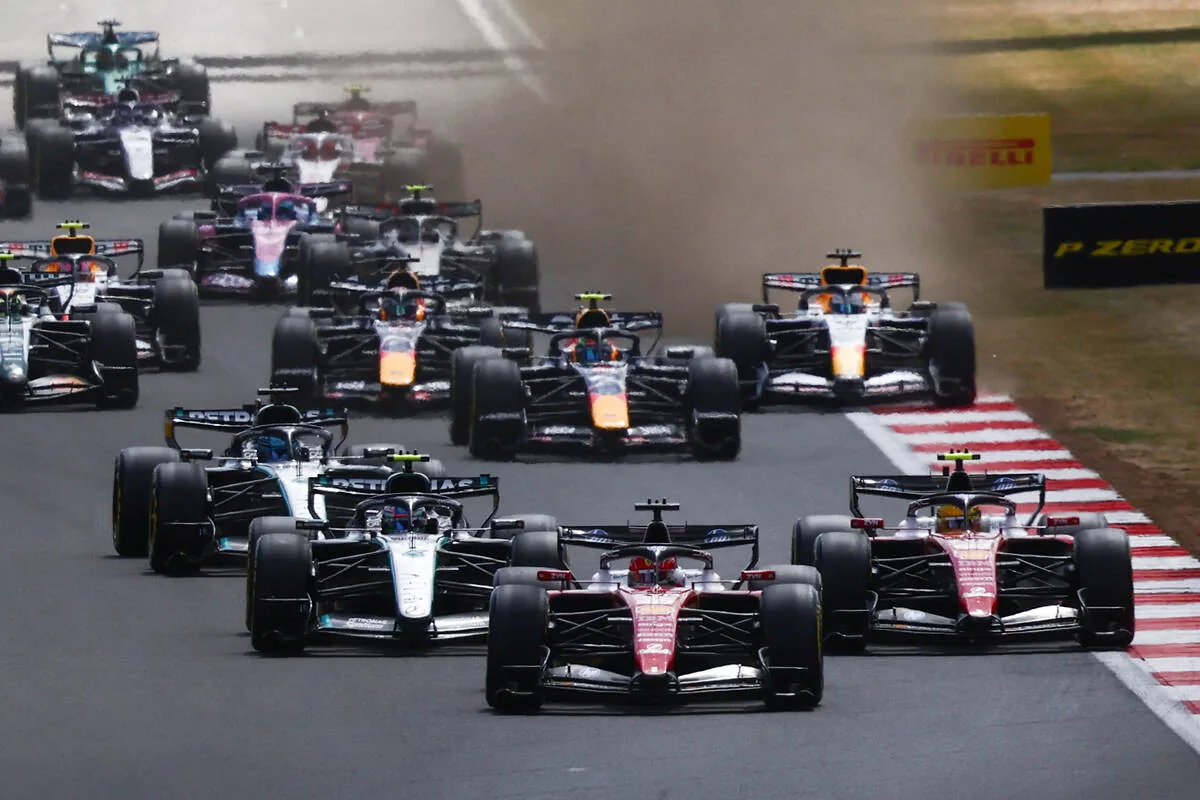
Formula 1 looks to the past to move forward. Ben Sulayem’s press briefing with international media provided further details on the new technical era of Formula 1 that will begin next decade. The watchword is simplify, with the dual aim of reducing costs and cutting weight, one of the main enemies of the spectacle. This is precisely why the idea of reintroducing refueling has come about, but care will need to be taken to evaluate both the positive aspects and those that could hinder the show.
Read more Verstappen and Ferrari: Jos came close in 2002
Priority on weight
The FIA and Formula 1 have learned the lesson: proposing a cutting-edge engine formula, however engineering-wise fascinating it may be, comes with a series of economic and technical complications that ultimately impoverish the product. From the next decade, there will be a return to simpler power units, with the intention of accommodating manufacturers on only one of the requests made. A choice will have to be made whether to keep a hybrid component, but with a significantly reduced ratio between thermal and electric power compared to the current one, or to keep turbos instead of a return to naturally aspirated engines. In both cases, in fact, there would be an increase in weight, whether due to the battery or the turbocharger, which is why the Federation wants to concede on only one front.
Weight, after all, is one of the main limits of this Formula 1 and continuing to reduce it would benefit not only the driving pleasure for the drivers. With lighter cars, less grip would be needed to deliver similar performance and lap times, which is why one could think of tires with a wider operating window or a reduction in aerodynamic load, also reducing dirty air disturbance and favoring close pursuits. Lighter cars would also need smaller brakes, suspensions, and safety structures, triggering a virtuous circle with many positive repercussions on the show.
The temptation of refueling
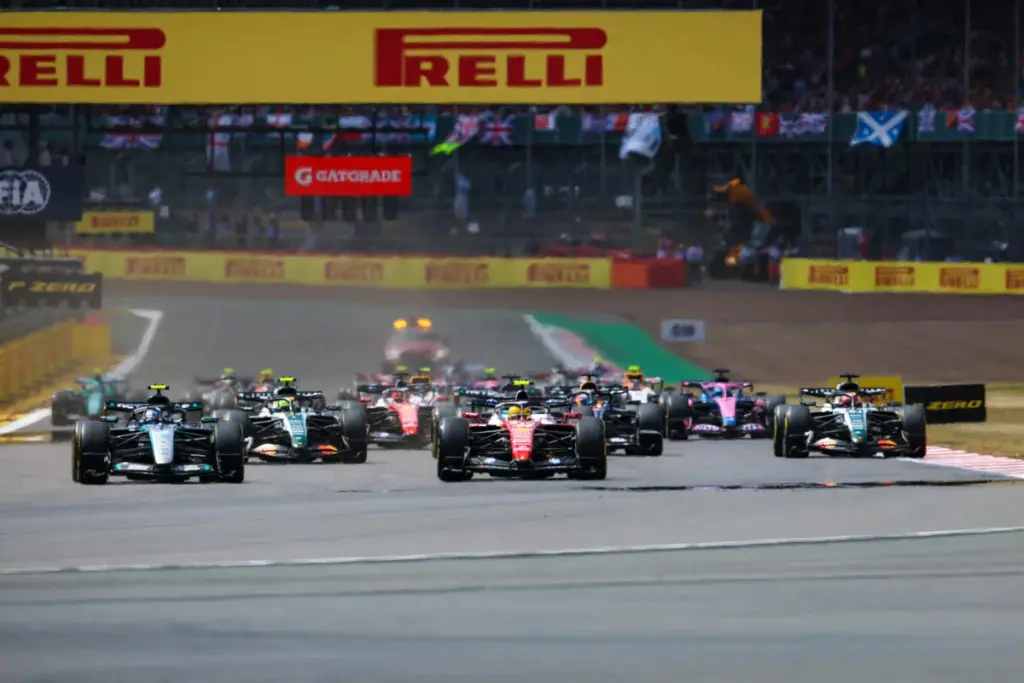
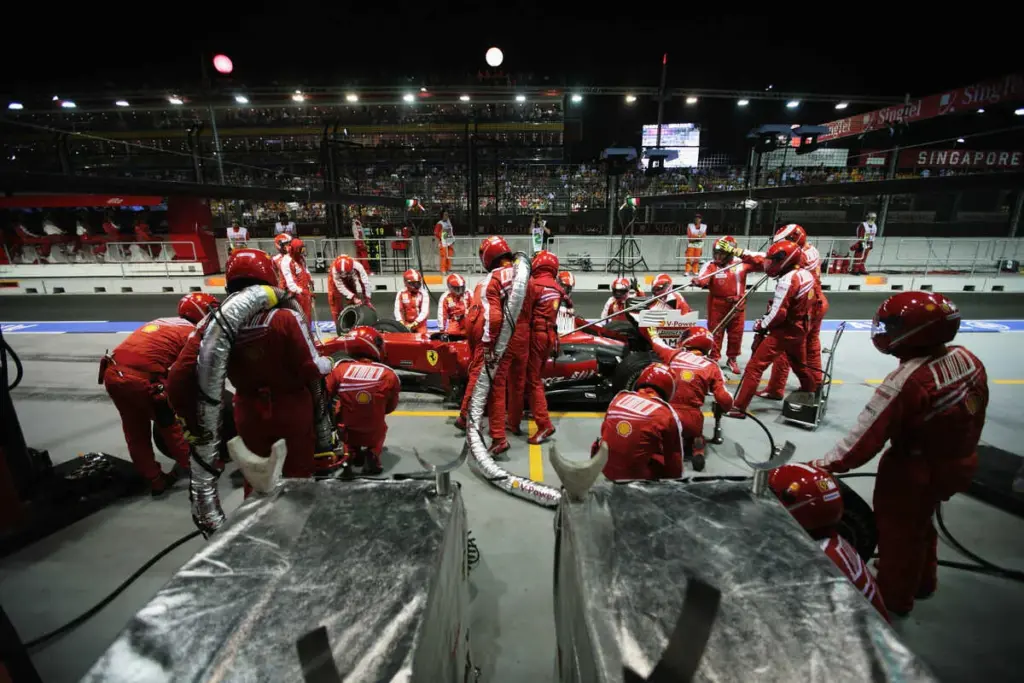
According to Ben Sulayem, the lightening of the next generation of single-seaters might not only concern static weight. They are also considering the reintroduction of race refueling, so as to carry less fuel on board during the Grand Prix, further fueling the virtuous circle of weight reduction. It is an idea with tantalizing prospects, as it would introduce an additional variable to play with in strategies, as well as opening up performance differences between the various cars, facilitating overtaking and enlivening races.
Read more Ralf Schumacher: “Apparently Sainz has declined the Williams offer”
On the other hand, it will be appropriate to make all the necessary evaluations, not only those related to safety. The risk is that, as happened in the past, teams would propose strategies that are too different from each other. This would result in less close races and large gaps between cars, at least until all strategies converge at the end. It would not necessarily be a worse spectacle, but certainly different from the current one, perhaps more difficult to follow for the less dedicated audience. Therefore, it will be necessary to carry out the appropriate simulations and analyses, both for possible race scenarios and for fan reactions.
The return of independent engine manufacturers
The other major pillar on which the next regulations will rest is cost reduction. The idea is to make power units economically sustainable even for an independent engine manufacturer, so that they can supply customer teams and break their political dependence on official manufacturers, a project whose feasibility will still need to be verified. In general, reducing costs could also encourage the arrival of new engine manufacturers or convince some teams, such as McLaren, to produce power units in-house. It would also be a deterrent to the departure of existing manufacturers, a scenario that currently seems remote but, in the global economic and geopolitical uncertainty, is always around the corner.
Read more From Spain: Sainz, annual renewal with Williams imminent