



Reduced tire pressures, F1 teams oppose
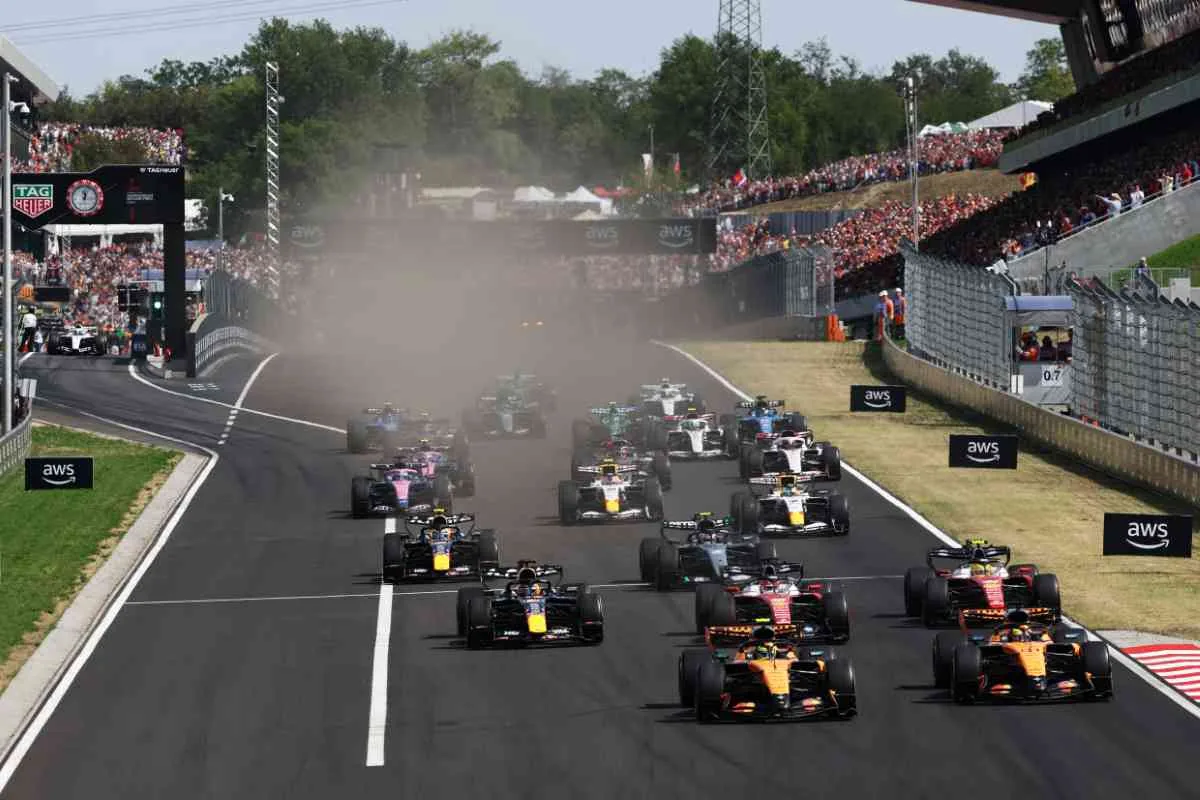
F1 teams oppose the reduction of minimum pressures for Pirelli tires. Despite numerous criticisms expressed by drivers, the teams rejected a regulatory change proposal that would have allowed lowering the currently imposed values. This means that the tires will continue to be used with the same values at least until the end of the championship, according to The-Race.
Read more Bugatti, the steed that does not gallop
With the advent of active aerodynamics, F1 increased the minimum tire pressure, fearing that they could undergo extreme stress in corners. For example, the minimum pressures in Barcelona were 26 psi for the front and 22 for the rear, while this year they were respectively 26 at the front (thus unchanged) and 25 at the rear; the same applies to Silverstone (26.5-23.5 in 2025, 28-26 in 2026) and Hungaroring (22-20 in 2025, 24-26 in 2026).
The rationale behind it
In the process of developing the new regulations, F1 considered malfunctions in movable wing configurations. If, due to a failure, the car was stuck in corner mode, and thus ran in a high downforce configuration even on straights at very high speeds, the tires would be subjected to a vertical load much higher than normal. This dynamic would have increased the likelihood of compound failures without an increase in pressures. At the base of this last measure is therefore the issue of safety.
Read more Bagnaia: “The arm will not give me problems, Stoner confirmed something that was already evident”
Pirelli’s rejected proposal
However, the drivers expressed strong doubts and repeatedly complained to Pirelli. With increased pressures, the tire loses grip, while locking up on corner entry becomes much easier. Moreover, it is harder to heat up, with all the consequences in the search for pole position. The Milanese company listened to them and tried to introduce a mid-season rule: if the car was stuck in corner mode for five laps, the driver would be shown the black and orange flag; the latter would have to return to the pits, with the team trying to fix the problem.
This regulatory change would have allowed Pirelli to lower tire pressures already at Zandvoort and had FIA approval. However, the teams opposed it, considering the change unnecessary and potentially unfair, because there would have been a risk of altering performance mid-season.