


The FIA defends itself
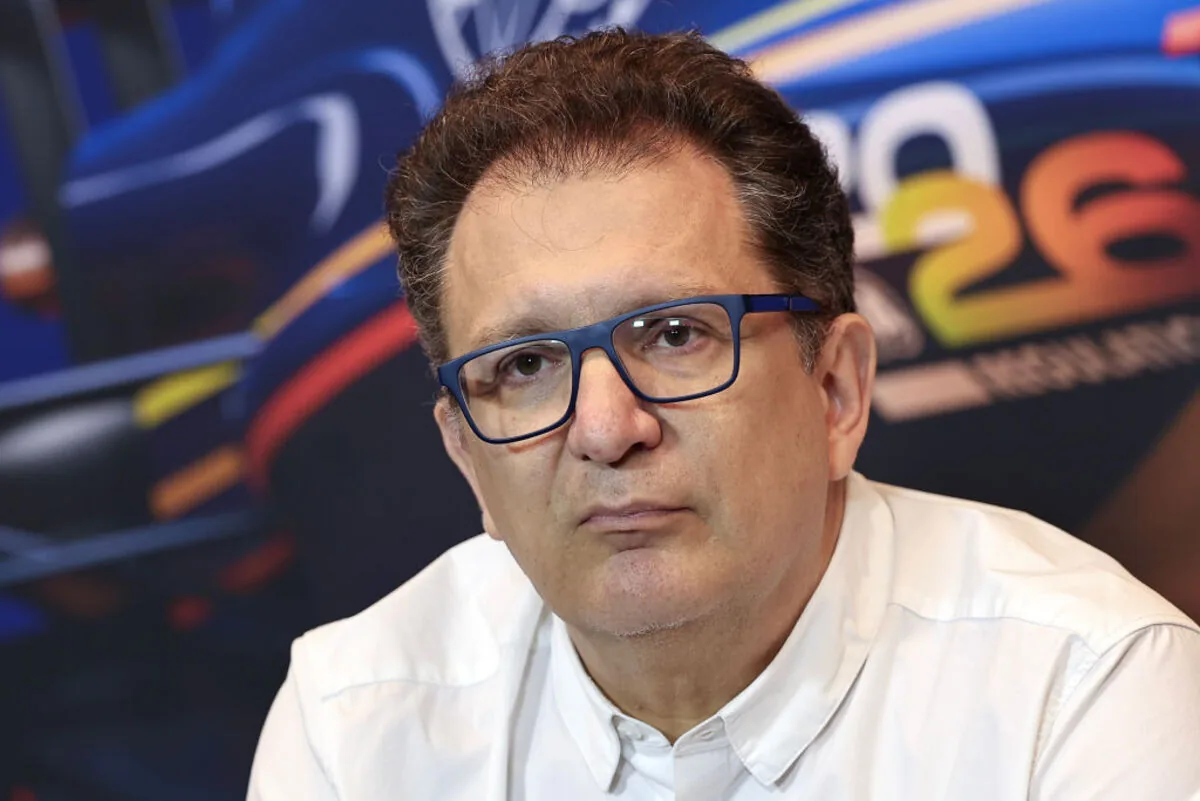
Nikolas Tombazis, FIA director for single-seaters, does not accept taking all the blame for the many criticisms that in this first half of the season have been directed at the new F1 technical regulations, which have already been partially modified this year during the season and will be further ‘refined’ over the next two seasons. The Greek engineer, who has worked for the international federation since 2018, spoke with the site The Race explaining his version of the facts. According to Tombazis, many of the criticisms that drivers in particular made against the new regulations had already been anticipated and attempts were made to intervene to correct the course, but the lack of agreement among the manufacturers made any changes impossible before the start of this season.
Read more BYD Music Awards, in Verona music takes center stage
“I believe that drivers are, by definition, rather demanding customers – Tombazis commented with a touch of sarcasm – so we do not expect them to sugarcoat the pill or to keep quiet. We had anticipated many of the things they complained about in the two years before the start of the season and we tried to make some changes. But we failed due to the governance system in place. So I think, realistically, it was [a situation] predictable“.
Uncomfortable but necessary constraints
When he talks about “governance“, Tombazis means the creation of the Power Unit Advisory Committee, which was designed specifically to manage the transition to the 2026 regulations. To protect the interests of both the engine manufacturers already present in F1 and the ‘newcomers’, a sort of Advisory Committee for power units was established, which set how the rules could be changed. To approve substantial changes, the support of the FIA, FOM, and four of the five manufacturers was required. Not exactly an easy criterion to meet.
Read more XPENG G9L, European debut at the Paris Motor Show
However, Tombazis himself noted that having such rules was essential to allow the coexistence of the interests of the engine manufacturers already in the Circus and those who entered F1 this year, such as Audi and Red Bull (as an engine manufacturer). “Without such an agreement, an engine manufacturer who was not previously in F1, like Audi, could have said: ‘we are not yet in F1, so we can spend five times what others spend’. That would not have been fair.” The other side of the coin, however, was immobility.
The positive sides
“I think it is a shame we had to wait so long [to change the rules] – Tombazis observed – we discussed in May to get the package for 2027 and 2028. I think ideally we could have done it a couple of years earlier and then there would not have been all this discussion”. However, the Greek engineer does not completely reject the current regulations, on the contrary: “I would say that most of the races have been quite exciting – he highlighted – there has been battle, despite a clear advantage for one manufacturer. In the past, when a new regulatory cycle started, the races were very monotonous. This year, despite Mercedes having won most of the races, the races have still been quite exciting, with many position changes. Balance is always needed – Tombazis concluded – drivers are important figures in this sport, so I think we did the right thing by listening to them carefully and acting accordingly. But I think we also have to think about the spectators, who want to see changes, exciting races, and so on”.