

6 PM, MotoGP Safety Commission
After the recent events in Barcelona, some riders – like Pedro Acosta – had backtracked and announced their presence at the Mugello Safety Commission, to be more involved in the proposals and decisions concerning safety in MotoGP.
On Friday morning Carlos Ezpeleta – the category’s sporting director – explained that he had discussed 4 proposals with the teams in recent days and that he will present them at the Safety Commission to explain them to the riders.
Read more Fornaroli, two days of testing in Austin completed: “I am increasingly comfortable with the McLaren”
The 4 MotoGP proposals
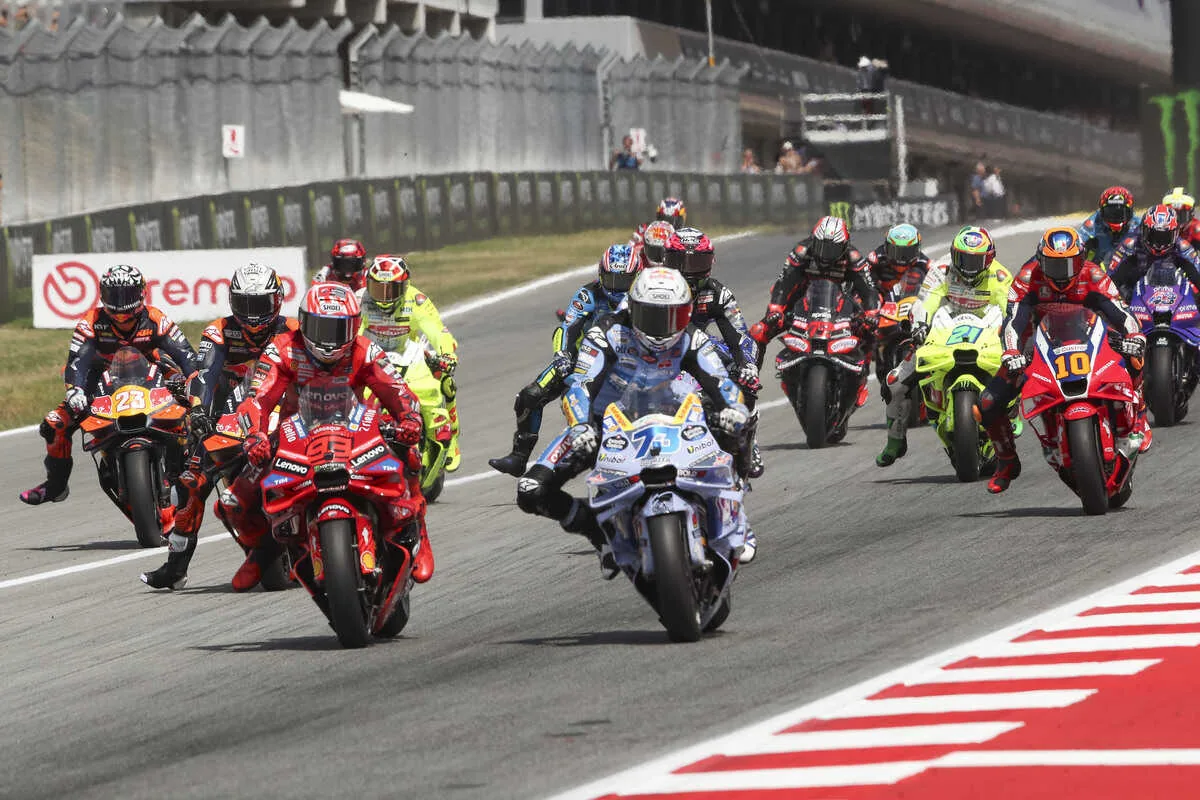
– MORE SPACED STARTING GRID. The idea is to leave more space between riders and rows, to allow greater maneuvering space at the first corner. Ezpeleta spoke of “unanimous consensus among the 11 teams” and the discussion with the riders could lead to a quick introduction of the change.
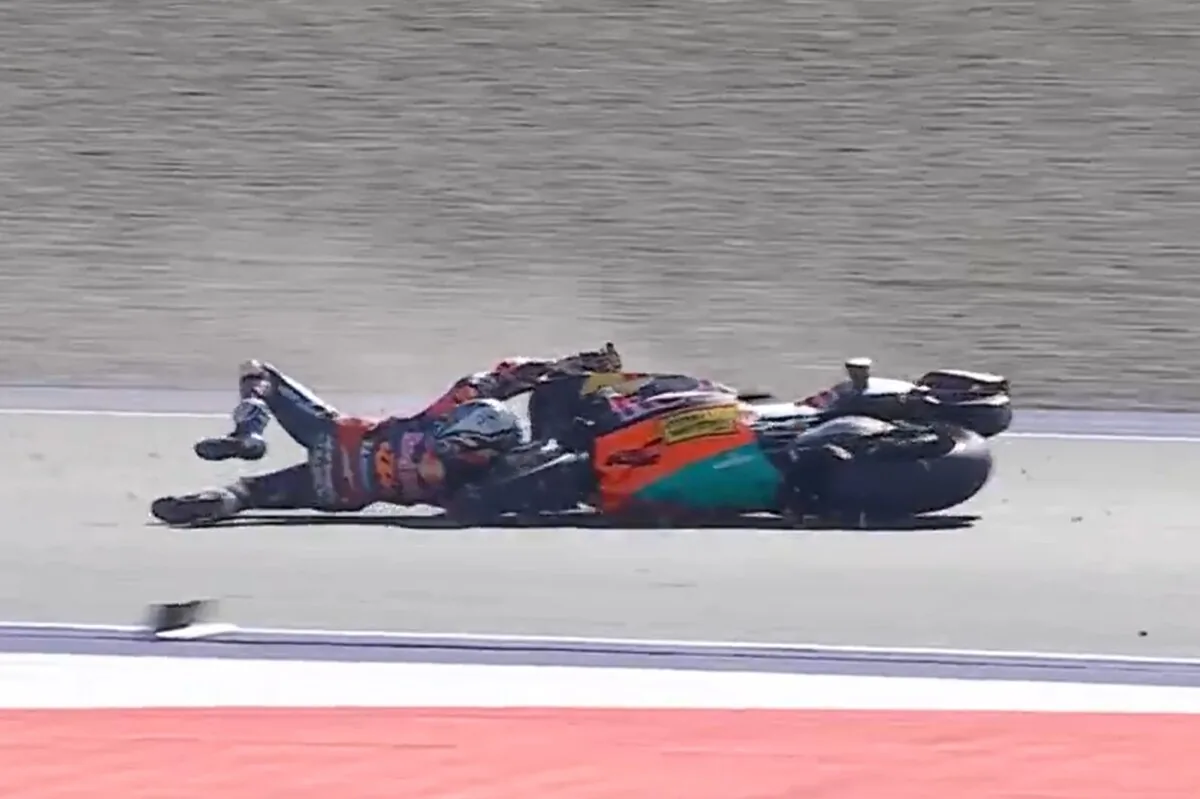
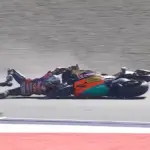
– PROTECTION FOR THE REAR WHEEL. To prevent the dynamic that caused the unfortunate crash of Johann Zarco at Montmelò, a proposal was made for protection around the rear wheel, in the swingarm area. This idea will also have to be approved by the manufacturers to get the green light, but Ezpeleta does not consider approval unlikely.
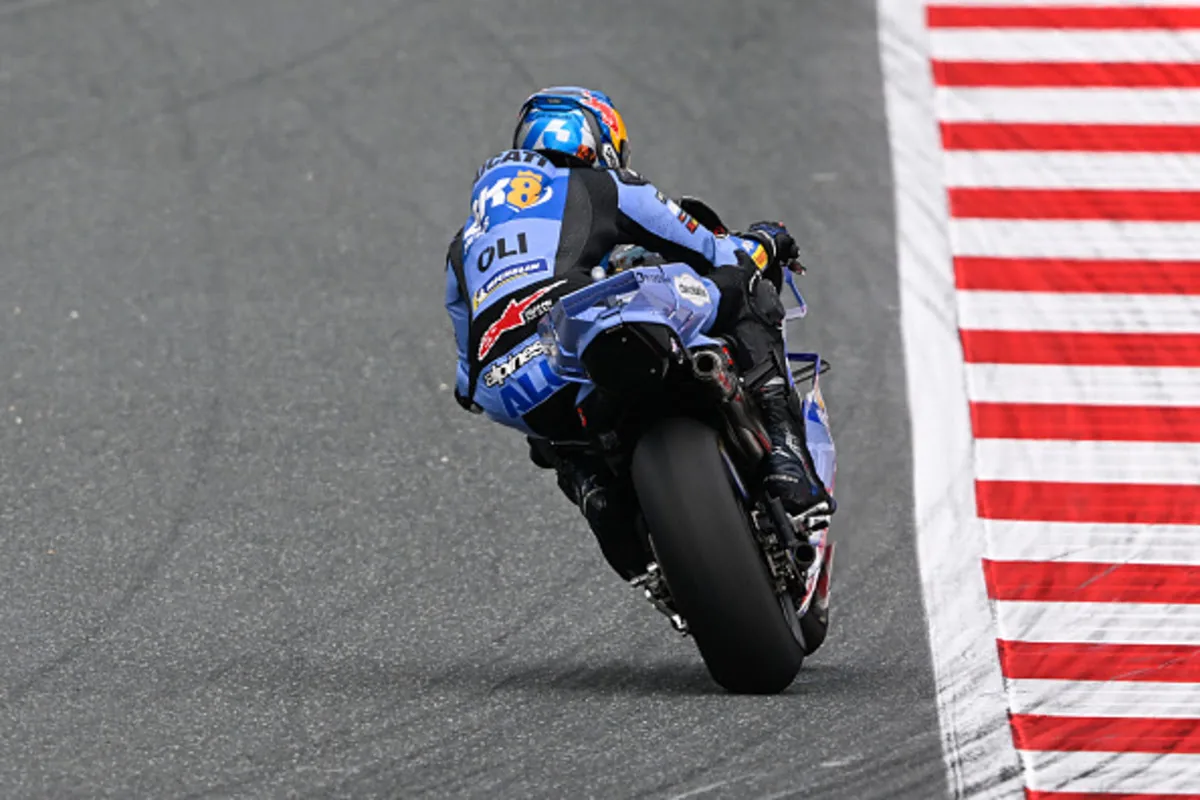
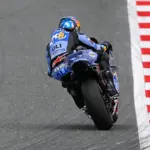
– WARNING FOR TECHNICAL FAILURES. In case of sudden problems like the one that happened to Pedro Acosta, a way to warn approaching riders of the potential danger is being considered. But in a dynamic like the one that caused Alex Marquez’s crash, the margin for action is practically zero.
Read more Bezzecchi: “Difficulties in time attack, but we are fast”
– ABOLITION OF THE LOWERERS. As is known, the device will be banned from 2027. Manufacturers have on the table the proposal to ban them already this season, not only on the two tracks already indicated for the not very sharp braking before the first corner (Silverstone and Phillip Island, ed.).
Bagnaia’s lukewarm comment
“We will discuss it in the Safety Commission. For me, it is not right to remove the lowerer on all circuits because it makes us arrive faster at the first corner, but it is also true that it makes us arrive braking straight, without having to weave to prevent the bike from popping a wheelie. It is not a safety issue, but more about releasing the device. On tracks where braking is not hard and there is a risk of not releasing it, it makes sense.
About the greater distance on the grid? I don’t think that is the cause of the problems in the end.”
Click here to add Formula Passion as a preferred source on Google Discover: you will find our content more easily!