

The Mercedes setup and Antonelli’s sensitivity
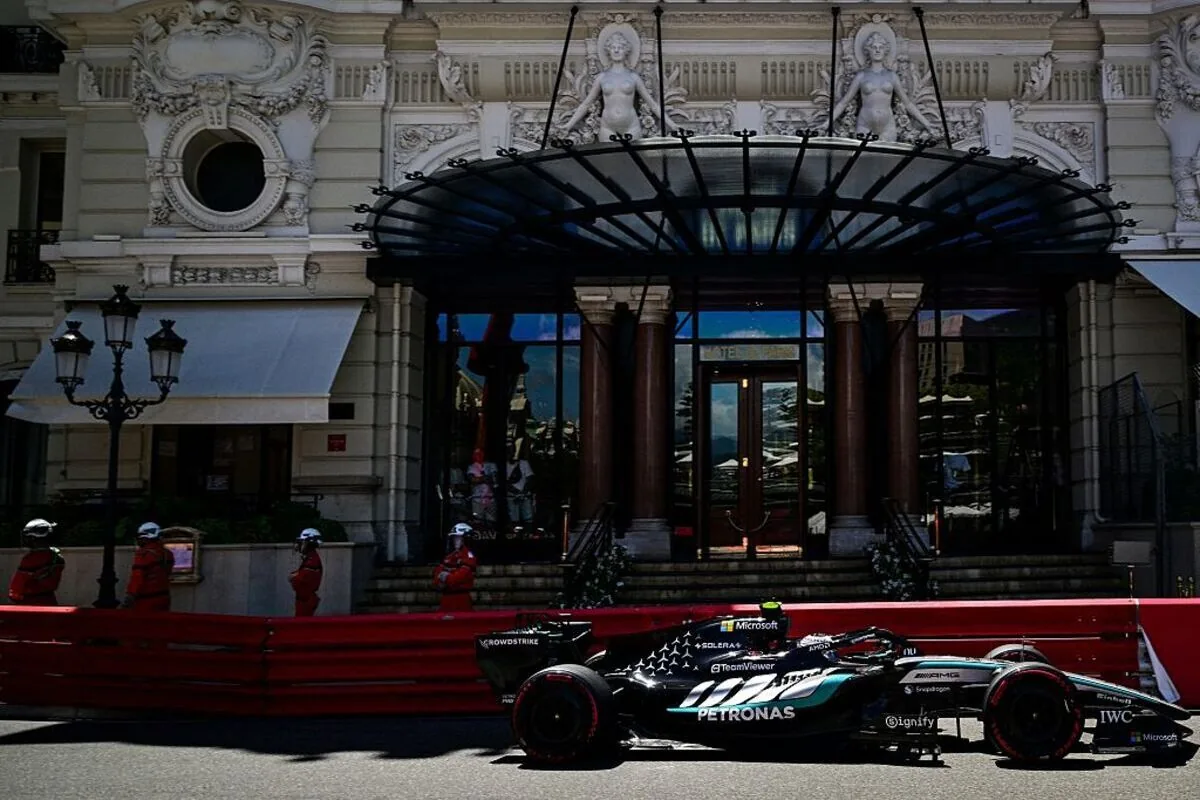
Monaco Grand Prix qualifying was once again nothing short of exhilarating. Undecided until the very last meters, with many drivers capable of taking pole and all driving at the limit (sometimes even beyond) for those extra milliseconds, so crucial on the Principality’s track. Incredibly, Andrea Kimi Antonelli found a sensational and masterful pole position, thus becoming the youngest poleman in history on the most iconic circuit in Formula 1. Antonelli flew with a Mercedes whose setup was revolutionized after Friday, confirming the direction seen in the third free practice session. The smartest thing the Brackley team did was to understand that solving the problem of a lazy front by stiffening and thus weakening the rear had a negative effect on overall performance. Instead, Toto Wolff’s engineers significantly softened the rear suspension setup, ensuring better grip in corners and better traction, and then worked on both the aerodynamics and mechanics of the front end to give it the right directionality, all while also softening the pitching behavior, which led to large load transfers under braking towards the front end. The result was a car with a lot of grip but one that required considerable sensitivity to function, and between Russell and Antonelli, there is no doubt who showed the best sensitivity behind the wheel this Saturday.
Read more Antonelli and Ferrari without brakes: the behind-the-scenes of Monaco qualifying – VIDEO
Russell far behind
The Briton, 4 tenths behind in sixth position, explained that this year’s car does not suit his driving style, a heavy justification for a situation that is certainly not easy for Russell at the moment, a number one title contender on the eve of the season and, at this moment, forcefully dethroned by an Antonelli who is showing an uncommon talent and who, whatever happens in the race, has revealed in this qualifying that he certainly has something special.
Pole position comes at the harbor chicane
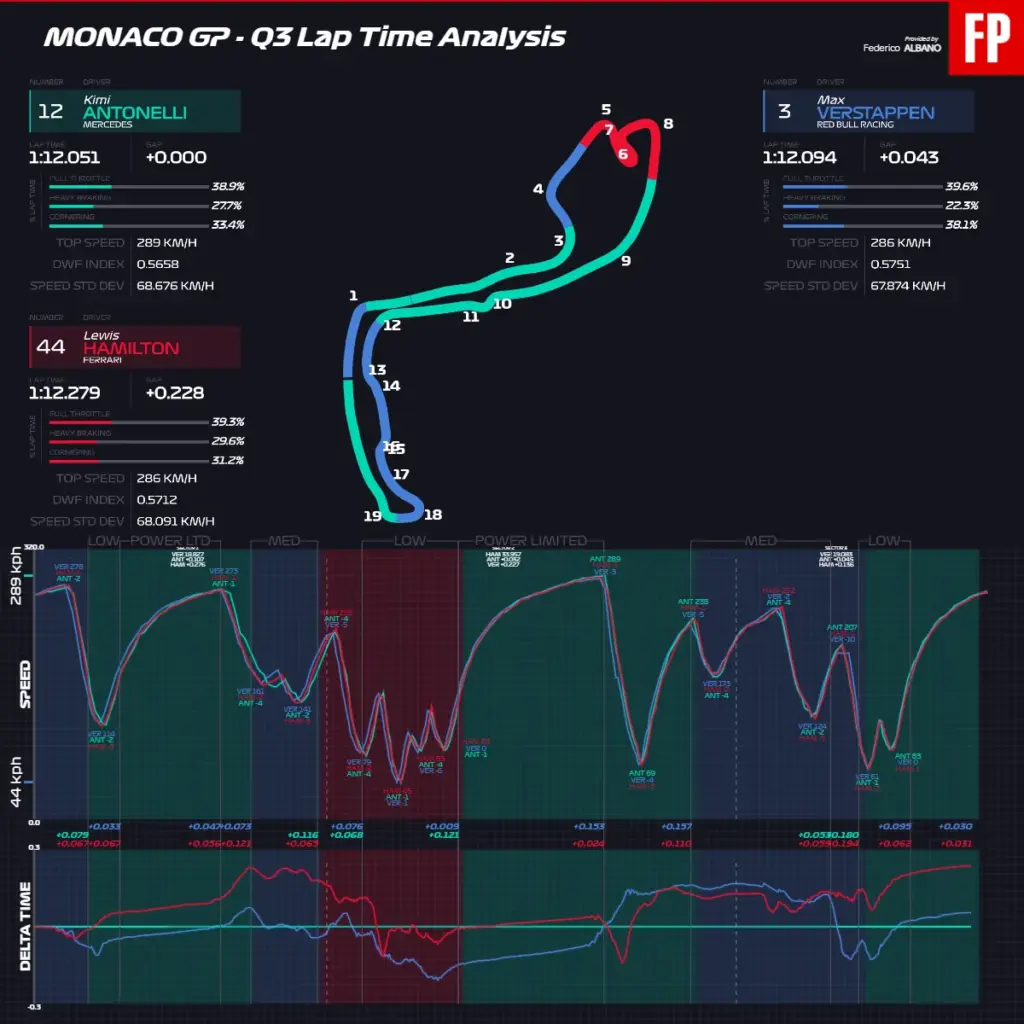
Looking at the data in more detail, Antonelli’s lap was certainly clean and fast in all its parts, so much so that the pole came without recording an absolute best time in any sector, but the impression is that the key was the passage through the harbor chicane, after the tunnel. Hamilton had lost contact with Antonelli at the Saint Devote and Massenet corners, confirming some difficulties in the faster sections. He had managed to close the gap to Antonelli in the slow section, but at the harbor chicane, he tried to brake too late, ending up late on traction and losing 1 and a half tenths. Verstappen was more dangerous: he had been faster in the first sector and had also gained in the slower section. This also tells us that the Mercedes was not the best car on the descent from Mirabeau to Portier, but Antonelli managed to limit the loss to less than two tenths. Arriving at the harbor, Max was still almost a tenth ahead, but between braking, navigating the chicane, and subsequent traction up to the Tabac corner, Antonelli gained almost 3 tenths on him. The race for pole seemed over here, but Verstappen wouldn’t give up and tried an all-or-nothing move at Rascasse, which gave him a couple of tenths and a chance to fight for it, but Antonelli exited Noghes better and in the final traction towards the finish line, he extended his lead by those 43 milliseconds that were worth an incredibly prestigious pole. Amidst these very balanced data, therefore, the harbor chicane point remains somewhat the crucial junction of the lap, which also shows Antonelli’s incredible control during braking, where the front end loads up a lot, but which the very young Italian has no problems managing and controlling.
Verstappen reverts on setup and almost succeeds. McLaren was close but lost out in the end
Joining him on the front row at the start will be an always fantastic Max Verstappen. Red Bull had taken a rather unproductive path in the third free practice session, but as always for the Milton Keynes team, they managed to fix things even at the last minute. The four-time world champion found a competitive and reactive car, not excellent in traction but fast in slow sections, with a good mechanical compromise, and he took care of the rest. McLaren, on the other hand, was halfway between surprise and disappointment. The Woking team had appeared very far off in free practice but proved very competitive in Q1 and Q2, only to fade in the hot phases of Q3, with Norris also making a mistake in the crucial moments. The potential seemed clearly better, although some problems in the braking phases seemed to be present, but in the end, the standings show a seventh and eighth place, confirming the negative surprise of free practice for Stella’s men.
Read more Boom Antonelli, and Max provokes Russell: “He’ll be scratching his head now…”
Ferrari, between disappointment and Leclerc’s overdriving
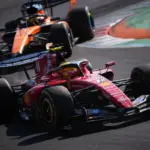
From the second row will start the two SF-26s of Hamilton, third, and Leclerc, fourth. The disappointment for the Maranello team was evident, as they had hoped to achieve much more on this important occasion given the car’s qualities. The data shows that Lewis Hamilton was indeed the fastest in the slow section, but it wasn’t enough. Ferrari clearly arrived with the best starting setup, due to the excellent know-how of the Maranello engineers on how to extract mechanical grip on the Monaco circuit. The problem, of course, is that the competition managed to grow much more over the weekend, and the red car was “swallowed” by its rivals at the crucial moment. Leclerc’s double error clearly weighed on the result. The Monegasque said it without mincing words: the brake problem currently takes away his confidence with the car, and even if he tries to push, he doesn’t trust his driving, a crucial aspect certainly on the winding streets of Monte Carlo.
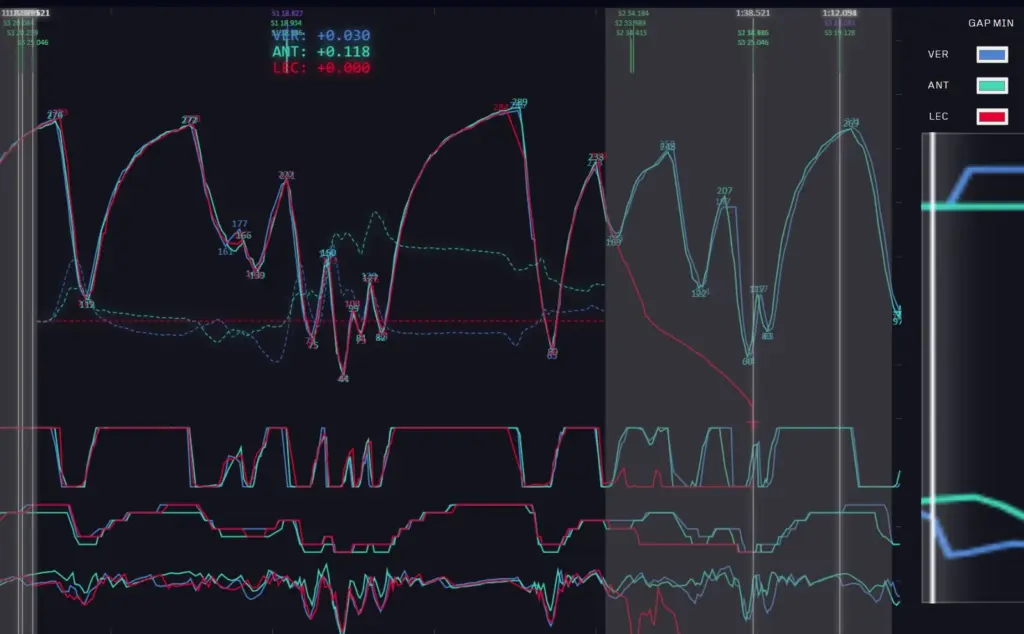
In reality, from our live data estimate, Leclerc at the moment of his last lap error was even ahead by about 30 milliseconds over Verstappen and just over a tenth over Antonelli. It’s hard to say if it would have been enough for pole, given that key sections like the Swimming Pool and Rascasse were still to come, but the impression is that he could have fought for pole or the front row by milliseconds. The perception, however, was that Leclerc, in order to close the gap to the competition, was constantly “overdriving” throughout Q3, with an error in the first attempt that then compromised the rest of the session, eventually ending with contact with the wall at Tabac. Perhaps an exaggerated attempt to overdo it, which rarely leads to the desired results, an aspect that was no exception in this qualifying session.
Race: Antonelli must overcome the starting bottleneck and Max’s pressure
For the Monaco race, there aren’t many flights of fancy to imagine, at least on paper. Even with these smaller cars and less downforce, overtakes seem almost impossible. For Antonelli, a race awaits that in some respects is simpler than others, but in others is incredibly more complicated, a challenge with himself not to make the slightest mistake that would compromise everything, while probably being constantly under the pressure of a certain Max Verstappen and having to brush walls and guardrails. The crucial passages will be the start up to Saint Devote, the climb towards Massenet, and then the pit stops, in addition to having to push without making mistakes every lap. Not a walk in the park, but certainly a great opportunity.
Read more McLaren missing, Stella admits: “Our weaknesses emerged. We are behind where we want to be”