







This weekend the 2026 Formula 1 World Championship will finally kick off, highly anticipated by fans around the world eager to see the new cars in action, the same ones that will have to comply with drastic regulatory changes. The Circus moves forward, technologies progress, but the starting grid is still determined today by a format that was first introduced twenty years ago, in 2006. Perhaps some will not believe that so much time has passed, others maybe will, but the fact remains that for two decades drivers have had to constantly challenge the clock to first overcome Q3, do the same in Q2 and fight for pole position in Q1.
Read more Leclerc: “Cars are practically new here in Australia, 2026 will be a battle of developments”
1996: the first, significant change
The qualifying format has never undergone major changes throughout history, with the fight for pole position concentrated from the 1950s to the early 1990s in two sessions between Friday (pre-qualifying) and Saturday. The first real change took place in the first edition of the Australian GP in Melbourne, thirty years ago. In 1996, qualifying was concentrated for the first time only on Saturday, with one hour available for all drivers and a maximum of 12 laps each. Unlike the beginning of the decade, in order to take part in the race, participants had to keep their gap within 107% of the poleman’s time, under penalty of exclusion from the GP. A rule that remained until 2002, with another variation introduced the following year: in 2003, in order to create more spectacle, the ‘one-lap qualifying’ was introduced, with a single attempt for each driver to establish the starting grid. A format that, contrary to the FIA’s expectations, was not welcomed by the public, to the point of being abandoned during the 2005 season.
Read more McLaren fourth fastest according to Piastri: “Mercedes, Ferrari and Red Bull seem ahead”
2006: here is the knock-out
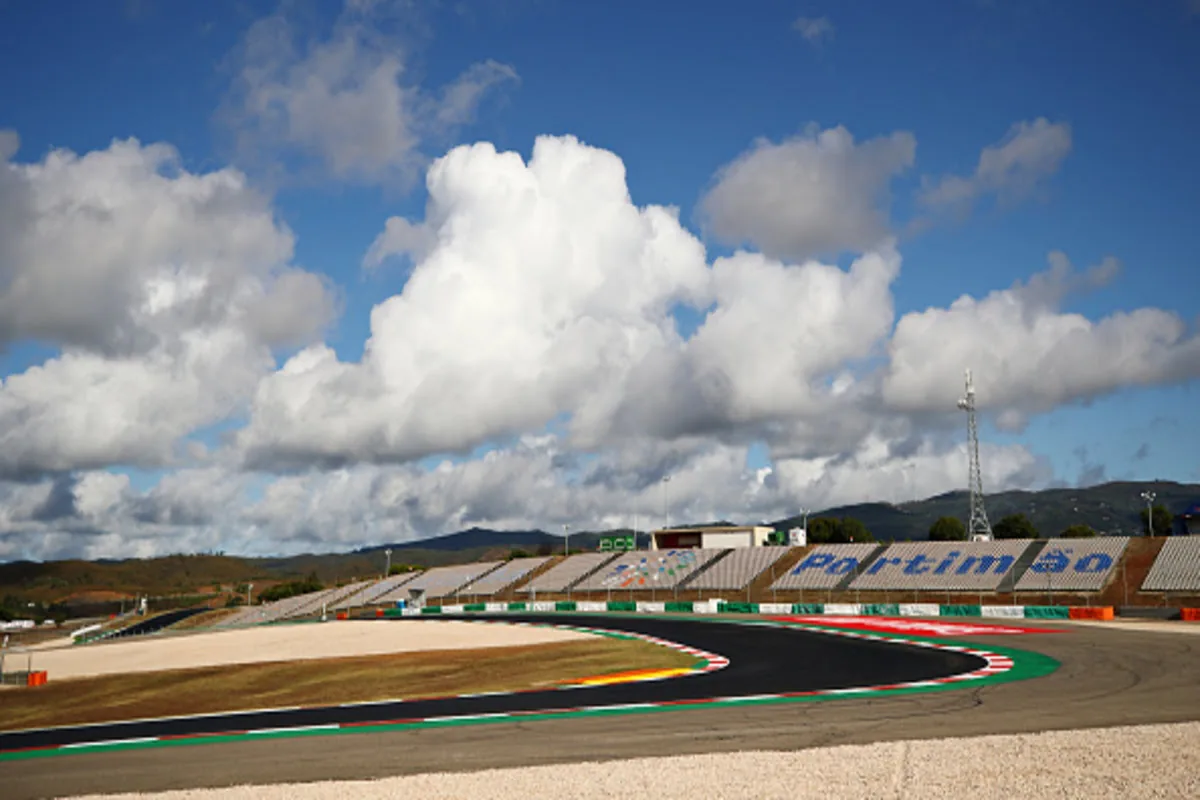
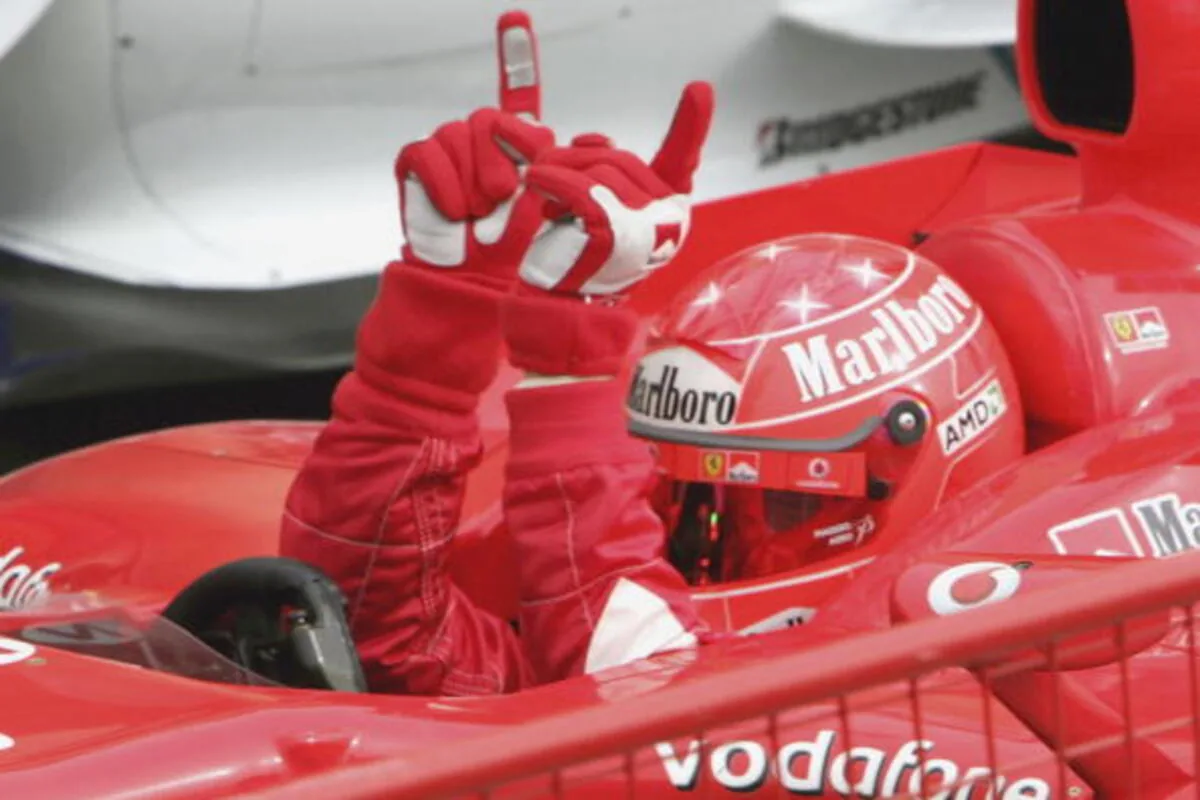
In 2006, and therefore twenty years ago, Formula 1 experienced the knock-out format for the first time. On the occasion of the Bahrain Grand Prix on the Sakhir circuit (then the venue for the first round of the season), an elimination system divided into Q1, Q2 and Q3 was introduced. Today as then, due to the same number of participants on the starting grid (22), the six slowest drivers are eliminated from the first phase, as are another six from the second. In the third and final one, the last ten fight for pole position, won for the first time with this system by Michael Schumacher ahead of his new teammate at Ferrari Felipe Massa. Since then, the system has never undergone changes, except for an attempt made ten years ago, in 2016, with the introduction of the failed ‘hot seat’: after the start of each session (lasting 16 minutes in Q1, 15 in Q2 and 14 in Q3), every minute and a half a driver was eliminated until the remaining two were given the chance to fight for pole position. A format immediately rejected by both the public and the drivers, with a return to the original and current knock-out after a few races.
Read more Energy management: in Australia recharge limited to 7 MJ in qualifying