


Bottas and the 2014 diet
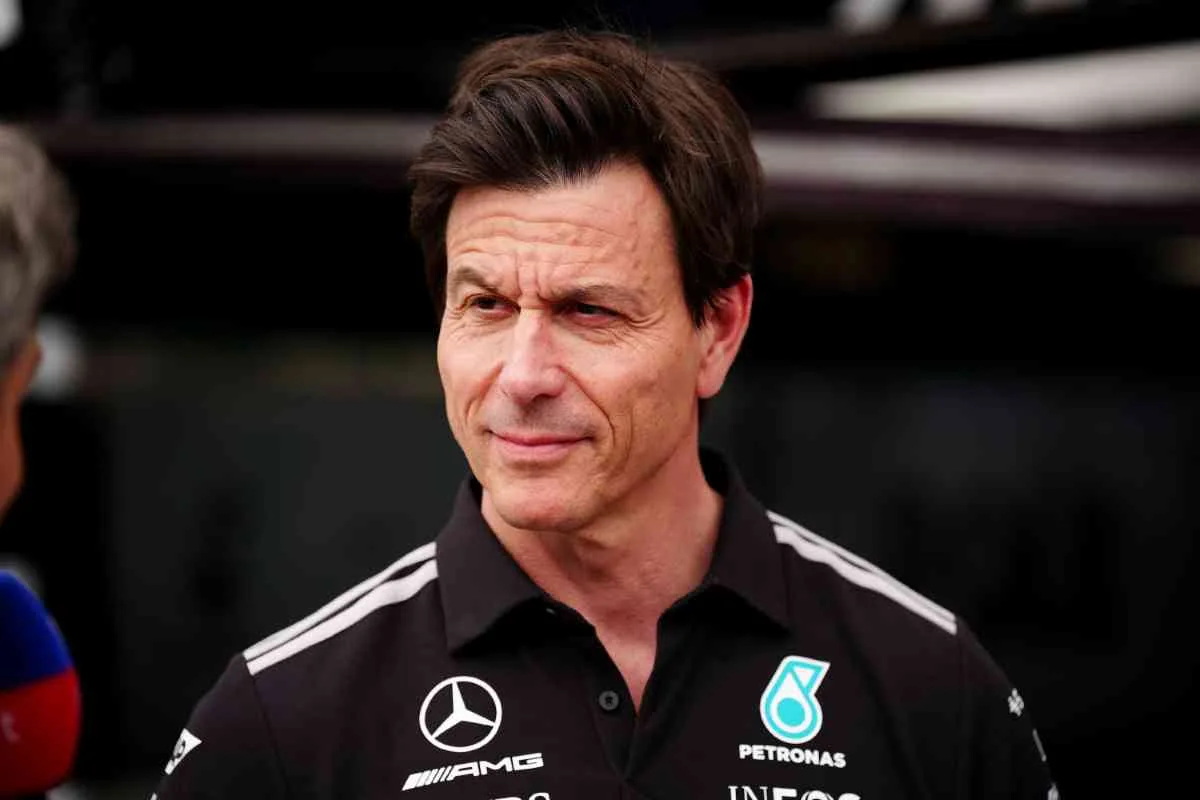
Valtteri Bottas represents a rare case in F1. Amid drivers with always predictable and never sharp statements, the Finn often finds a way to express something different, playing with self-irony on social media or opening up frankly on very delicate topics.
Read more Slight of Aprilia, KTM and Yamaha: Liberty out of spite deals with Ducati and Honda
Bottas retraced the story that took him from karting to Formula 1, between height problems (at six years old he was too short and couldn’t reach the pedals) and other, more serious ones, at the beginning of 2014 after a request from Williams to go on a diet to “balance” a car that was expected to be overweight.
Bottas’ words
“I was too short, so my grandfather told me to eat porridge. Honestly, it seemed like nonsense to me, but I was so desperate that I ate it every day, to the point that my mom got tired of making it for me and I learned to cook it myself. I was fed up with it, but my grandfather was right, and in spring I managed to reach the kart pedals. No, porridge is not magic, I probably just consumed a huge amount of fiber. But it’s the lesson you have to learn if you want a place in Formula 1: the monotony of the daily routine pays off,” these were his words in a long article for The Players Tribune.
Read more Hill: “I was very close to McLaren, but I politely declined the offer”
“When I entered F1 my identity revolved around racing, I didn’t care about anything else. In 2014, it became a big problem. At the end of 2013 we went on winter break and Williams expected an overweight car for 2014, so the team suggested I lose five kilos. If you put such a clear goal in front of me, I become obsessed: ‘Five? Why not ten? That way we can make the car even faster.’ So I started eating only steamed broccoli and cauliflower, then I would run and eat more broccoli just to have enough energy for another 90-minute race. The game had become all-consuming, I was like an addict. I woke up alone at 4 in the morning, I had uncontrollable energy and thought I had even more time to train,” he confessed. “Obviously, at the tests the car was actually underweight. I started having intense moments of mental confusion every time I was in a crowd, I just wanted to drive. Then I would go home and looked like a ghost. The turning point came after Jules Bianchi’s accident: it seemed like I didn’t care about anything anymore, I was negative about everything. ‘If I die, I die,’ I told my ex when she asked if it was dangerous to be in the car. Shortly after, I asked for help and started seeing a psychologist. It was a relief just to admit I had a problem, while the blood tests were a disaster, I was destroyed mentally and physically. I hid everything from the team, teammates, and family: in the paddock you can’t show weaknesses. Only my coach and my doctor knew. It took two years before I felt like myself again“.