
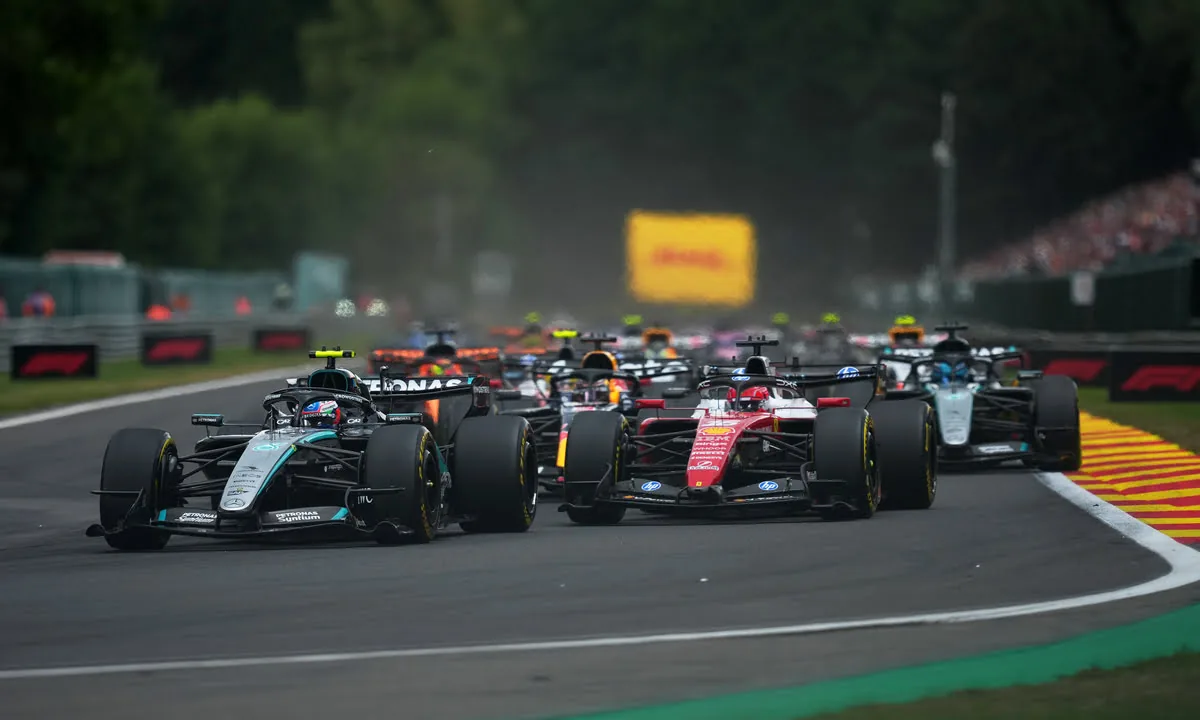
At Spa
Andrea Kimi Antonelli closes a circle, winning at that same Spa where a year ago he experienced the most difficult moment of his season. In his hands, Mercedes managed to make up for Ferrari’s stroke of luck at the pit stop, showing a remarkable pace with the hard tires that instead betrayed many other protagonists. For the Maranello Scuderia, however, the balance is positive, showing that they are not far from the Silver Arrows on a track difficult for the SF-26, also having reliability and room for further development on their side.
Read more GP Hungary 2026: Sky/Now and TV8 schedules
Slow first stint
The Sunday at Spa was a mirror of the Belgian weekend, with a Mercedes coming out on top in the long run. In the first phase, in fact, Antonelli was unable to escape, with tire degradation lower than expected which perhaps prevented the W17 from showing its qualities. The Italian driver even found himself forced to pit to cover Verstappen’s stop, who in turn had to prevent a possible undercut from Leclerc.
It was precisely thanks to the pressure exerted on the rivals that Ferrari was able to extend the first stint, then seizing the opportunity of the Virtual Safety Car to change tires. Charles also deserves credit for repelling Hamilton’s attacks, which if successful would have made it difficult to perform the double pit stop simultaneously, given the 5-second penalty Lewis had to serve in the pit lane. Ferrari thus had the chance to repeat the Silverstone victory, if it were not for the strength of the Antonelli-Mercedes duo emerging in the second stint.
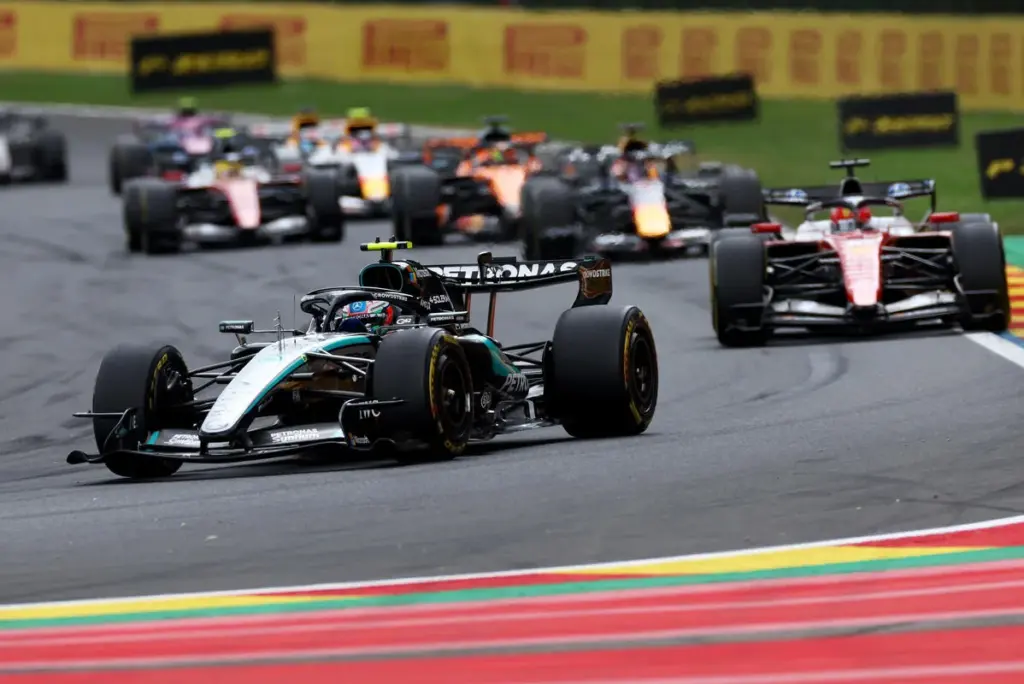
The tipping point
The second part of the race was marked by the hard tire, an unknown for all the top teams, who had not tested it during the weekend, thus becoming the tipping point. Verstappen was the first to complain about lack of grip, while Hamilton soon realized he could not get the car to turn, asking if the team had not changed the wing angle at the pit stop. Who struggled the most, however, was Leclerc, perhaps guilty of asking too much from the tires in the very first laps to quickly get past Norris on lap 23. The comparison between the two Ferrari drivers reveals that between laps 29 and 33 Charles lost 2 seconds to Hamilton, who showed that Ferrari at least had the pace to prolong the fight with Mercedes.
| LAP | LECLERC | HAMILTON |
| 24 | 1’49’’5 | 1’50’’5 |
| 25 | 1’50’’1 | 1’50’’3 |
| 26 | 1’49’’9 | 1’50’’1 |
| 27 | 1’50’’0 | 1’50’’2 |
| 28 | 1’49’’9 | 1’50’’1 |
| 29 | 1’50’’0 | 1’49’’9 |
| 30 | 1’50’’2 | 1’50’’0 |
| 31 | 1’50’’4 | 1’49’’9 |
| 32 | 1’50’’2 | 1’49’’6 |
| 33 | 1’50’’2 | 1’49’’5 |
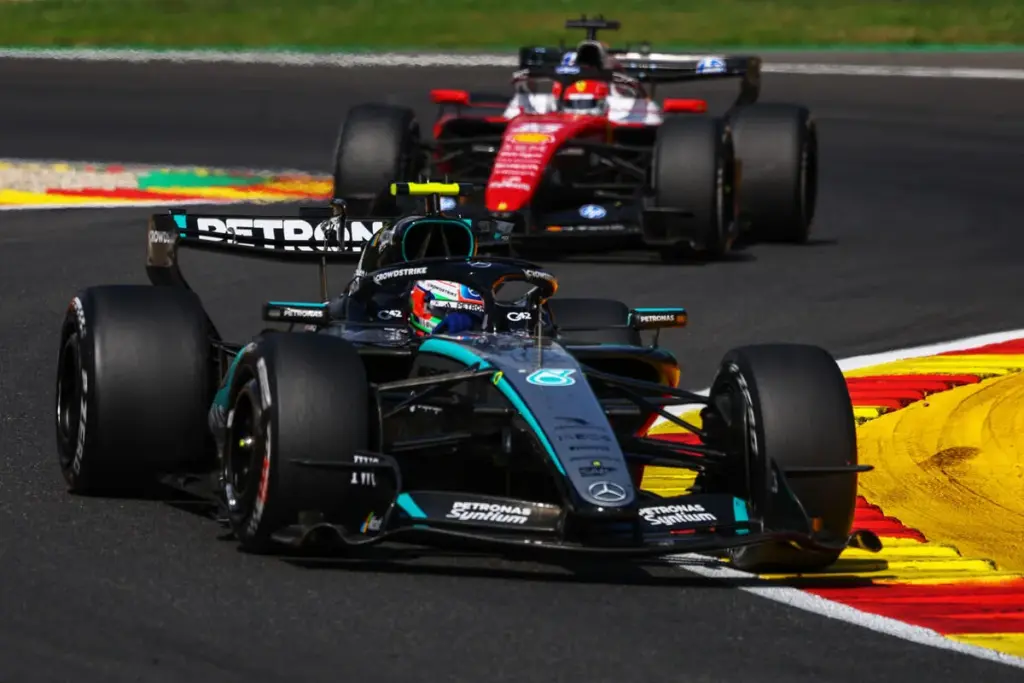
Leclerc then slowly came back to life as the laps passed, but the slipstream laps behind Antonelli after being overtaken should not be misleading, favored by the half Megajoule of extra energy that the overtaking mode guarantees to the chaser. The truth is that, just like at Silverstone, also at Spa Kimi and Mercedes were the benchmark, skilled at not suffering with the hard tire. A few laps from the end, the Italian driver lowered his times by more than half a second, showing he had wisely managed the W17’s potential to avoid wearing out the tires. The Belgian win is another victory that testifies to Antonelli’s technical and mental qualities, legitimizing his world championship leadership.
Mercedes with two faces
With the Spa win, the Italian driver now has the certainty of going on vacation at the top of the world championship standings. Kimi’s aggressive style, which minimizes time spent in corners, is proving perfect for energy management logic and for making the 2026 Pirellis work, but Antonelli is also reaping the benefits of psychological maturity. In a chat at Wimbledon, Federer advised him to learn to manage emotions, something the Italian is doing both in the car and in post-race briefings. For Mercedes, however, not all that glitters is gold. George Russell was taken out by contact with Lewis Hamilton, but if the Englishman found himself in that position it was also due to the lack of electric power on the Kemmel straight.
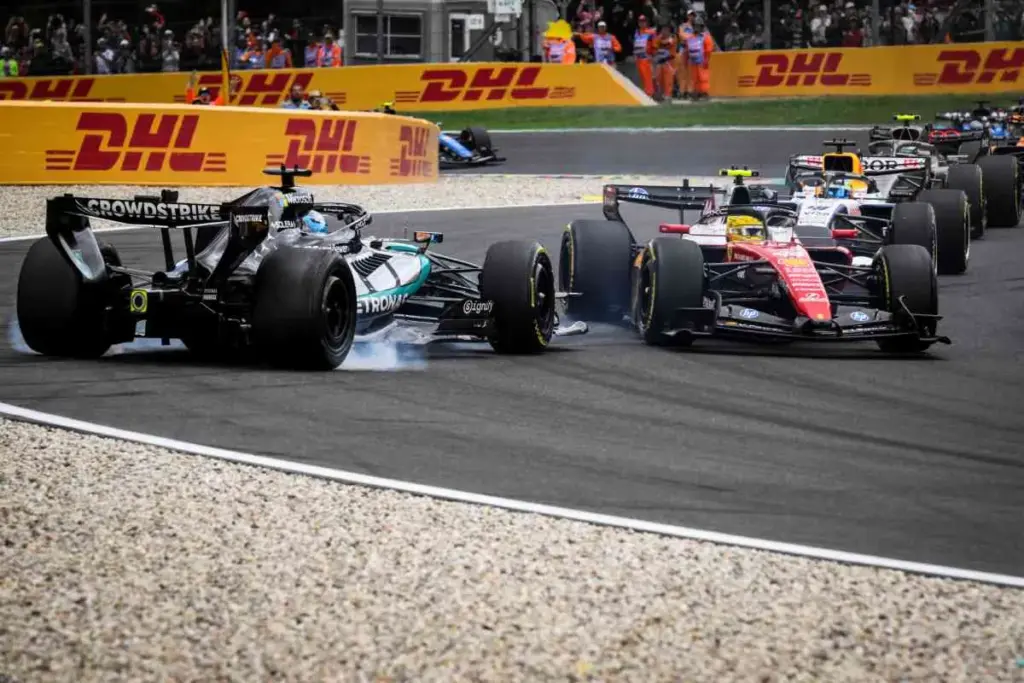
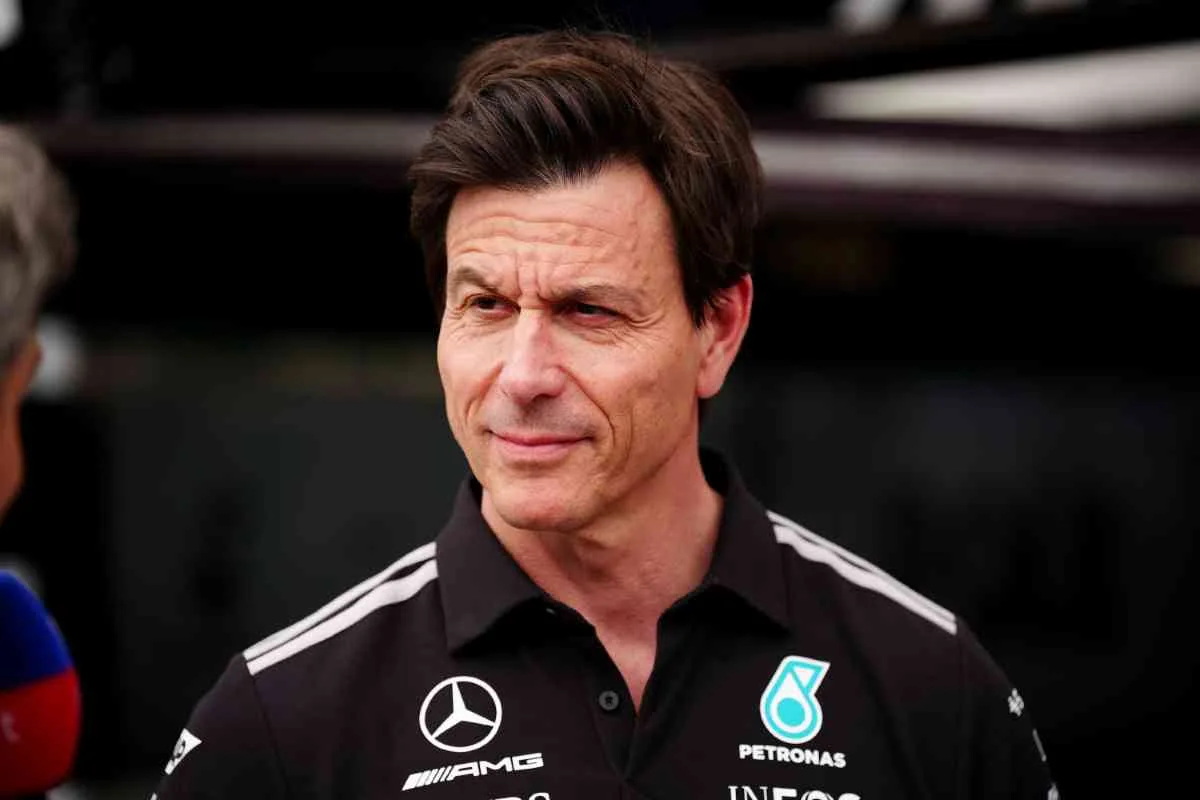
Toto Wolff revealed that all Mercedes-powered cars had energy management problems at the start, which affected George more sharply than Kimi. It was not the only issue of the weekend, as Russell had suffered another anomaly since Friday that caused more energy to be spent in the first sector at the expense of the third, losing time on the clock. As Andrea Stella explained, the new power units operate according to logics difficult to predict, autonomously making real-time decisions based on sensitivity to factors not yet better identified. Toto Wolff urges the team to intervene to strengthen this aspect, which falls under the bigger theme of reliability, a front on which Ferrari is prevailing, keeping the championship open.
Ferrari must believe
The Prancing Horse has many reasons to leave Spa with a smile. The Scuderia acknowledges Mercedes’ superiority, but the gap to the W17 on one of the toughest tracks of the year was definitely contained. The calendar now offers Ferrari two tracks on paper more friendly to the SF-26, which will limit the engine deficit while enhancing its aerodynamic qualities. In any case, Monte Carlo was also supposed to be a favorable appointment for the Rossa, remembering that results depend as much on the car as on the execution of the weekend.
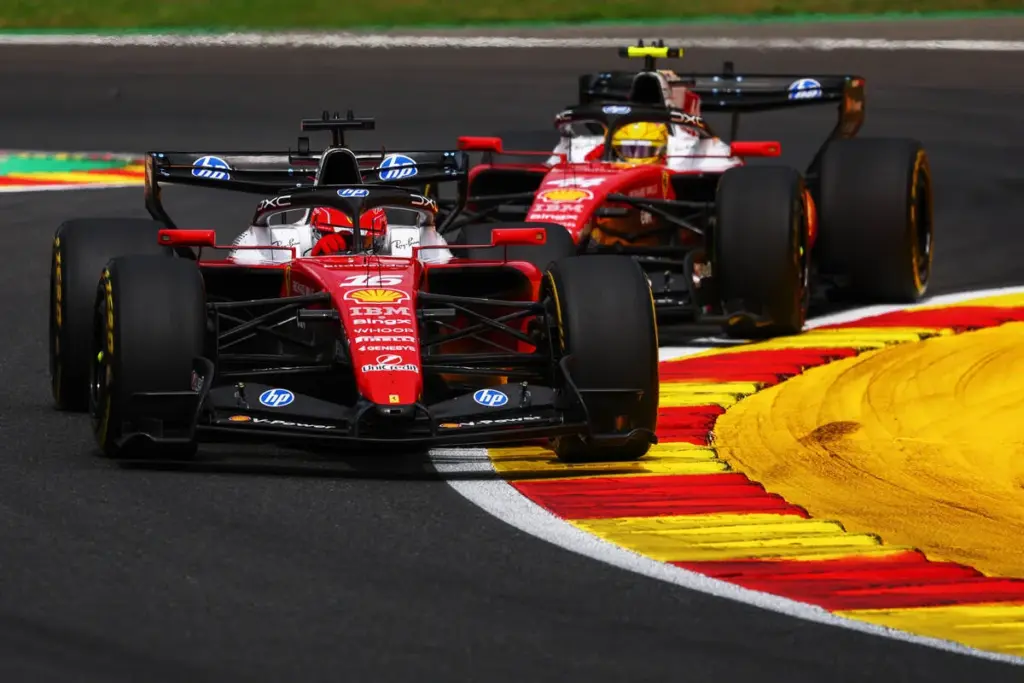
Regardless of everything, Ferrari can look at the rest of the season with optimism. So far reliability has been a strong point, reducing the risk of incurring grid penalties from now until the end of the year. Unlike Mercedes, moreover, the Scuderia has invested many resources to create a good starting platform with wide development margins, rather than aiming for a competitive car right away. All this has allowed saving resources from the budget cap, which will allow the arrival of further aerodynamic updates in the coming months, to which will be added the second power unit enhanced with the ADUO. To date, Mercedes is still the benchmark, but it would not be a surprise if Ferrari overturned the situation in the coming months.
The toughest comeback
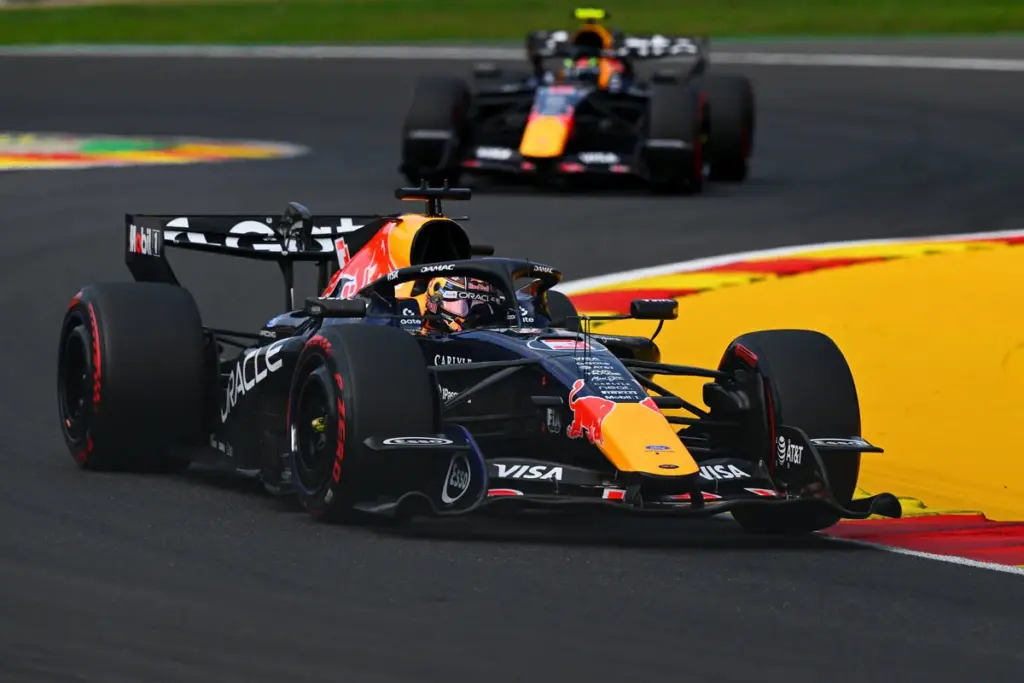
Spa also brings satisfaction to Max Verstappen, who celebrates a podium in his other home race. Despite the absence of the Macarena wing, which Mekies assures will return to the car in Budapest, the RB22 was still able to leverage good straight-line speed, although energy management remains a weak point for the Milton Keynes team. Overall, the package brought to Austria allowed Red Bull to make a leap forward, bringing them just a few tenths behind Mercedes, which is always the hardest gap to close.
McLaren, on the other hand, collects less than it deserved in Belgium. Norris’s grid penalty, the pit stop problem, and the damage suffered by Piastri are all setbacks that masked the good things shown by the world champions in terms of pace. The new tools provided by Mercedes helped improve energy management, progress which hopefully will be followed by others at the aerodynamic level with the updates expected in Budapest. In Woking, however, there is awareness that the imminent developments will not be enough to catch up with the Mercedes-Antonelli duo, who, at least for now, continue to look down on everyone else.
Read more Honda and the Aston Martin purgatory: “Finally updates arrive in Hungary”