


From single-make to balance
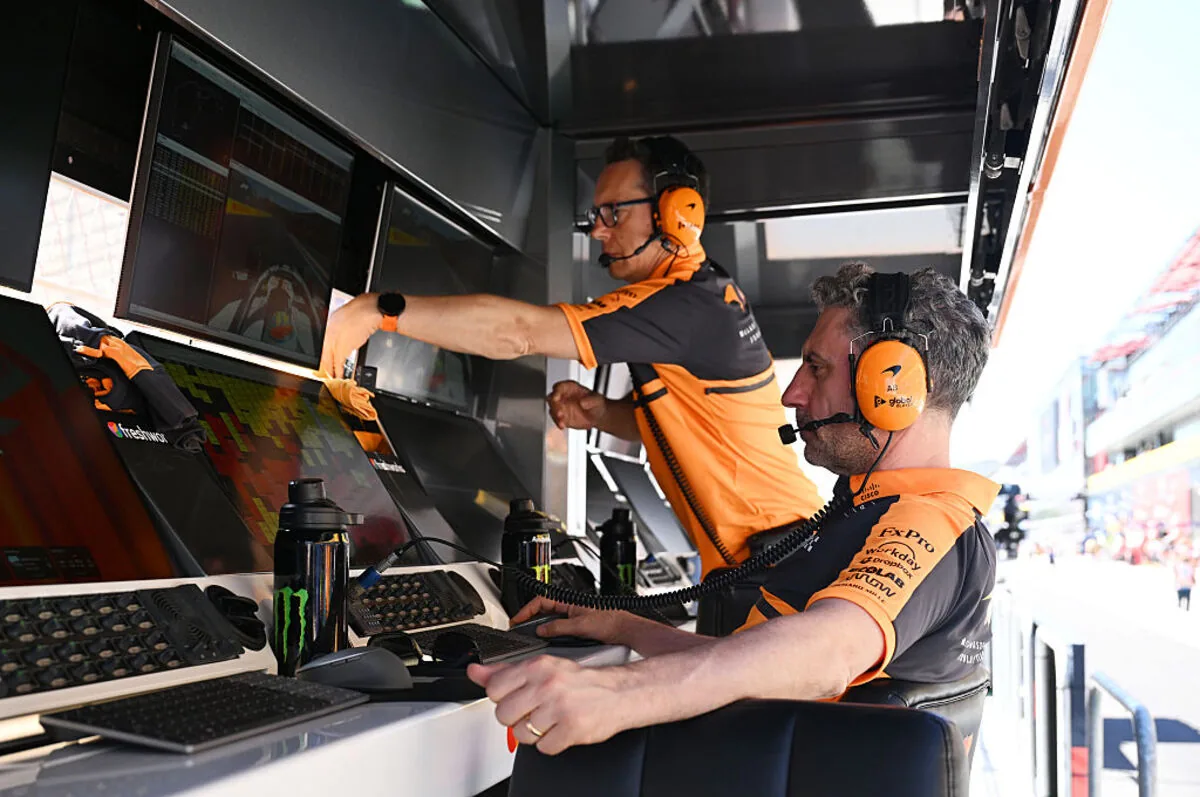
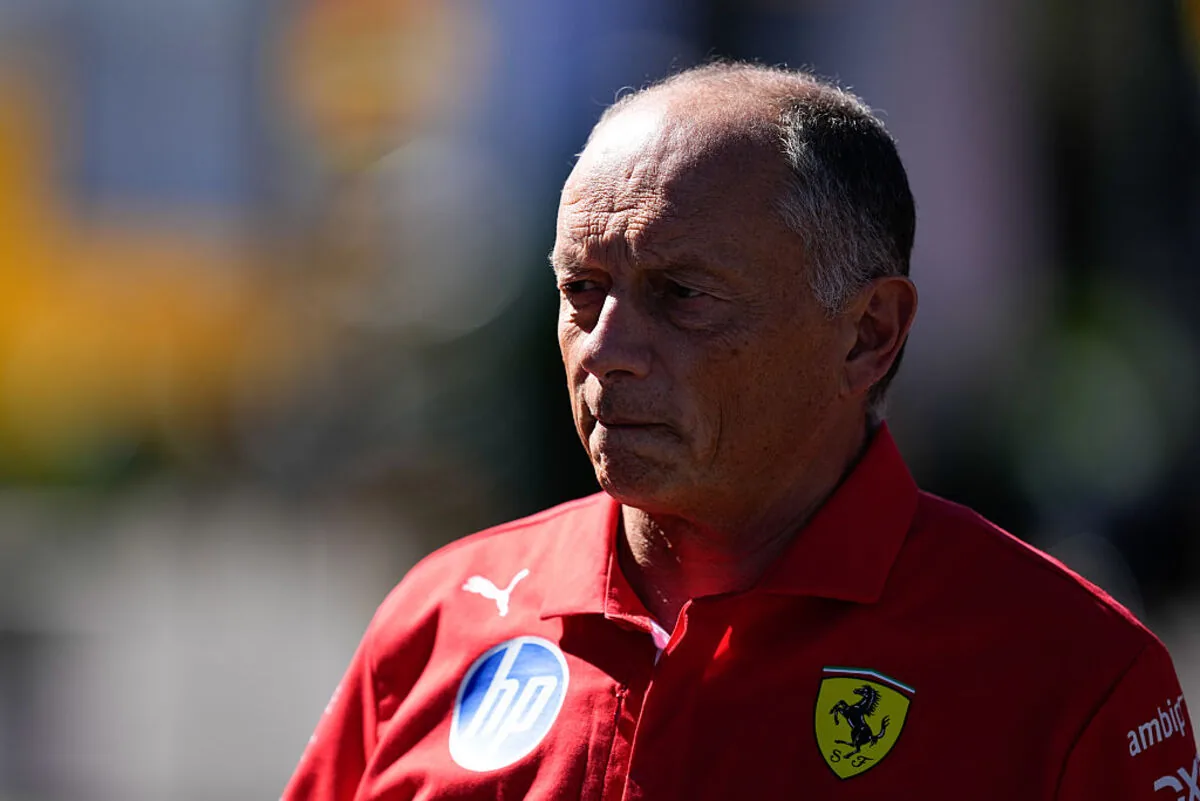
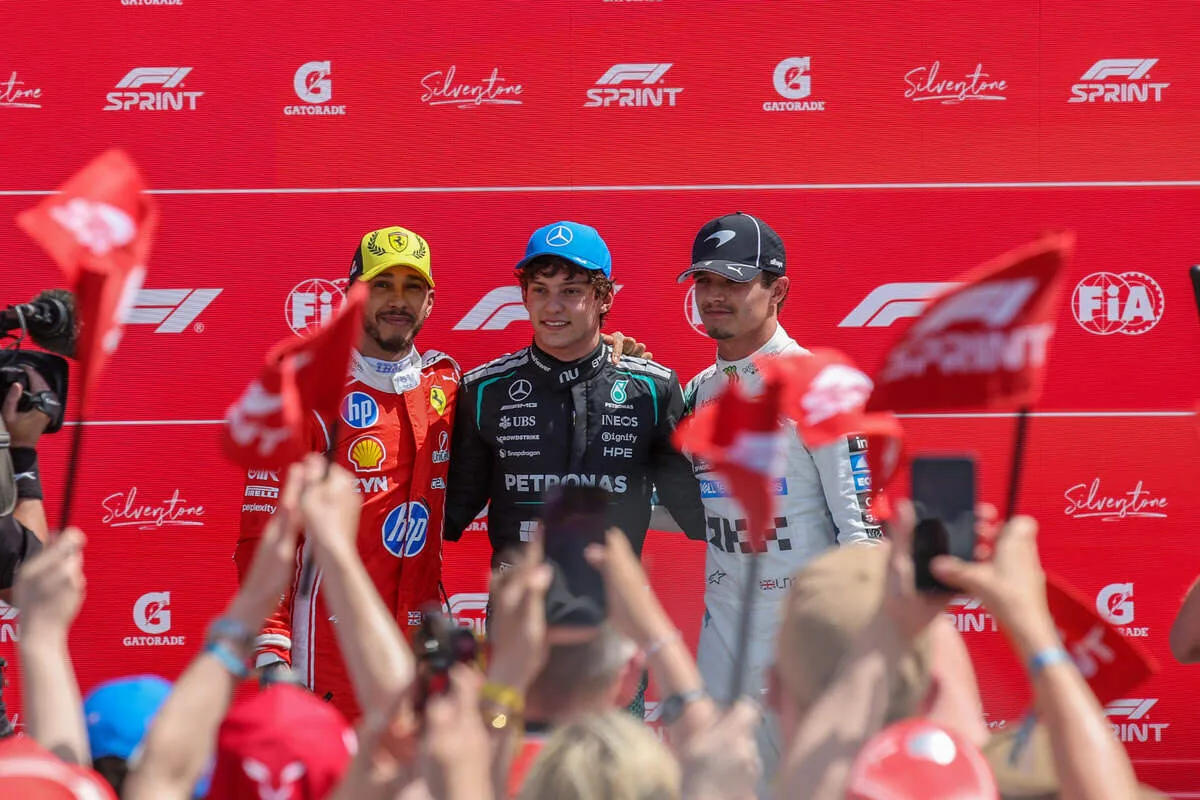
There was, until the Monaco GP, a Formula-Mercedes: six races, six victories for the Brackley team, five of which were consecutive and signed by Kimi Antonelli. A ‘single-make championship’ that however ended in Barcelona with the return to victory of Ferrari and Lewis Hamilton. Since the Catalan race, the 2026 F1 season has taken a decidedly different and in some ways unexpected turn: certainly, Mercedes has remained the main protagonist on the scene, but in a much less hegemonic way compared to the first months of the championship. Ferrari and McLaren, in fact, have raised their heads again.
Read more Porsche will cut 20% of jobs by 2035
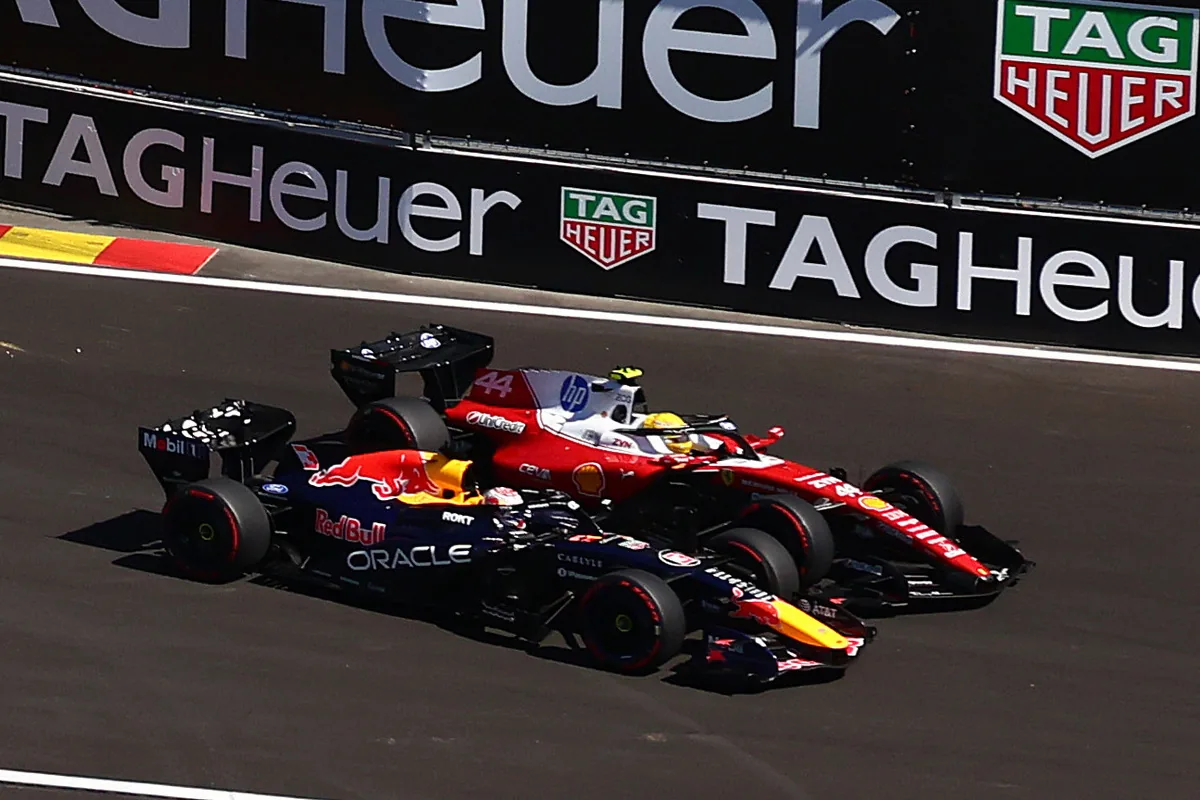
In the last five GPs, five different drivers from three different teams have triumphed: Hamilton and Leclerc with Ferrari, Antonelli and Russell obviously with Mercedes, and lastly Lando Norris in Budapest bringing McLaren back to the top step of the podium. This is not such a common statistical fact: in the last 13 years of F1, from 2013 to today, only at the end of the 2024 season was a similar sequence recorded and indeed longer, with six different winners in six Grands Prix. In that case, between Baku and Las Vegas, the winners in order were Piastri, Norris, Leclerc, Sainz, Verstappen, and Russell.
What kind of second half of the season awaits us
Moreover, it should not be forgotten that at the moment some potential winners are still missing such as Oscar Piastri, who would have been second in Hungary behind Norris if not for the technical problem that forced him to retire, and Max Verstappen, victim of the ups and downs of his Red Bull but still able to reach the podium in three of the last four GPs. The second half of 2026, therefore, when the summer break ends, could offer more spectacle.
Read more Mercedes G-Class, Cabriolet version under study
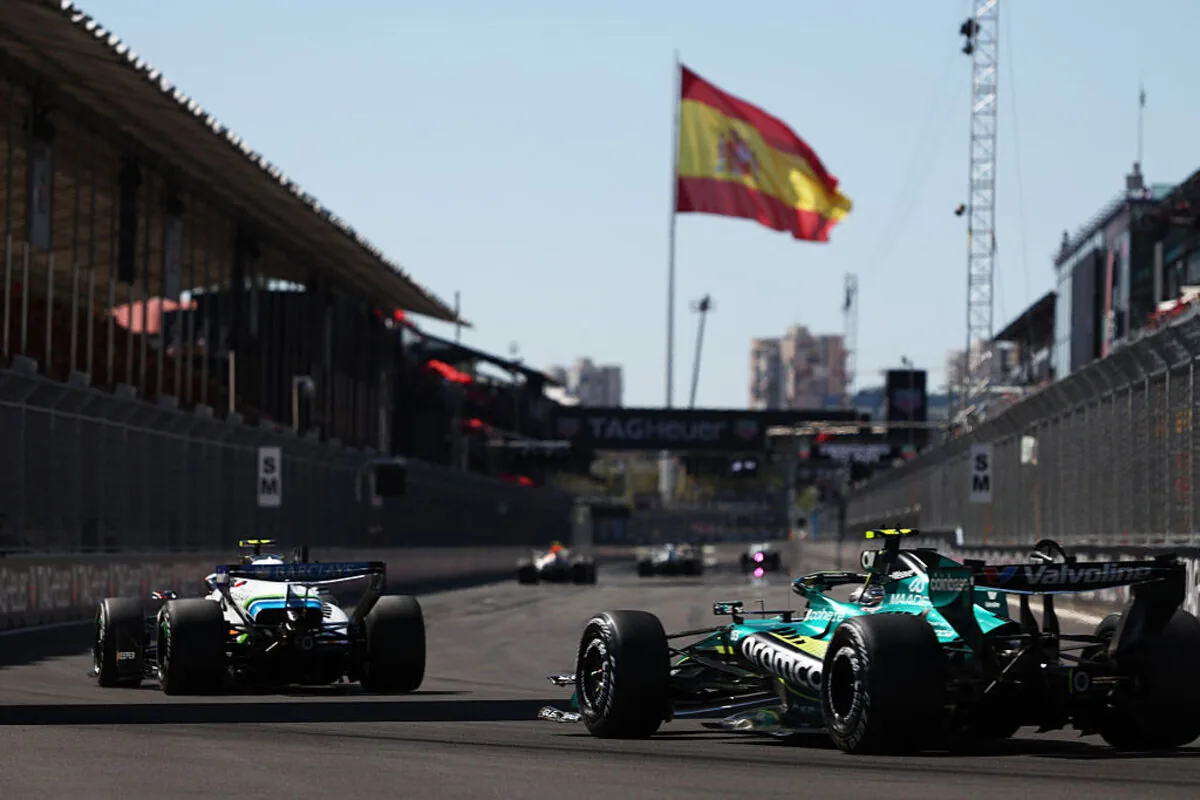
Certainly, this sequence of different winners does not erase the distortions shown by the new technical regulations, but it must be acknowledged that the updates brought by the teams from race to race, perhaps even more than the ADUO system, are allowing to significantly shorten the differences between teams from one weekend to another. There is still a clear division between the four top teams and the rest of the grid, but the path now taken seems – at least from the point of view of competitive balance – the right one. We just have to wait another month to understand if this will really be the trend until the end of the World Championship, wherever it concludes.