


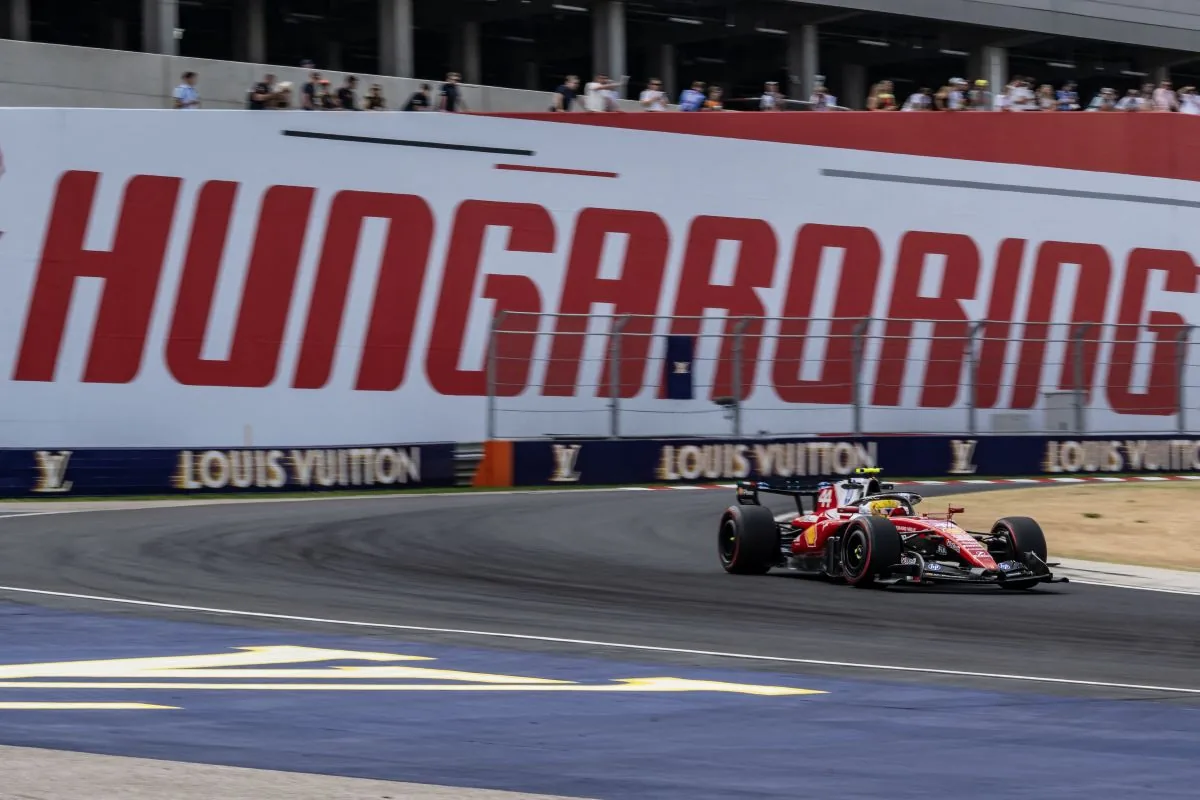
The 40th anniversary celebration of the Budapest circuit
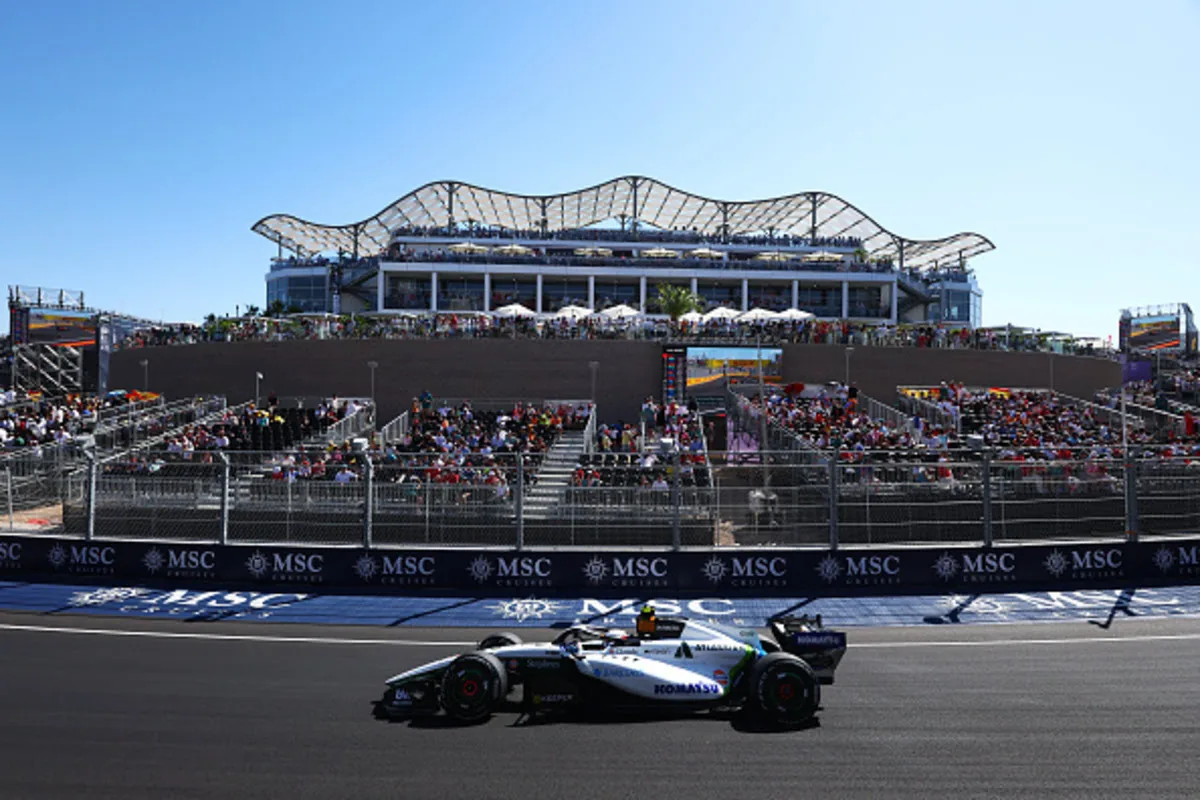
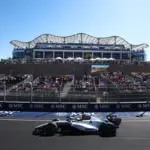
40 years of honorable service, a world that in the meantime could not be more different from what it was then, a layout that more or less has kept the DNA of a slow and winding track where overtakes are anything but trivial, and 14 curves without a name but only a number. At least until today: to celebrate the fortieth anniversary of the first Hungarian GP, in 1986 when a giant of Western entertainment and sport for the first time broke the so-called “iron curtain”, the Hungaroring does not get a makeover – after all, last year it was already the protagonist of a profound modernization of its structures including pit building, paddock and grandstands – but… it gives itself a name.
Read more Fornaroli, a positive FP1 to build the future: “These are useful kilometers”
All the names of the Hungarian GP track
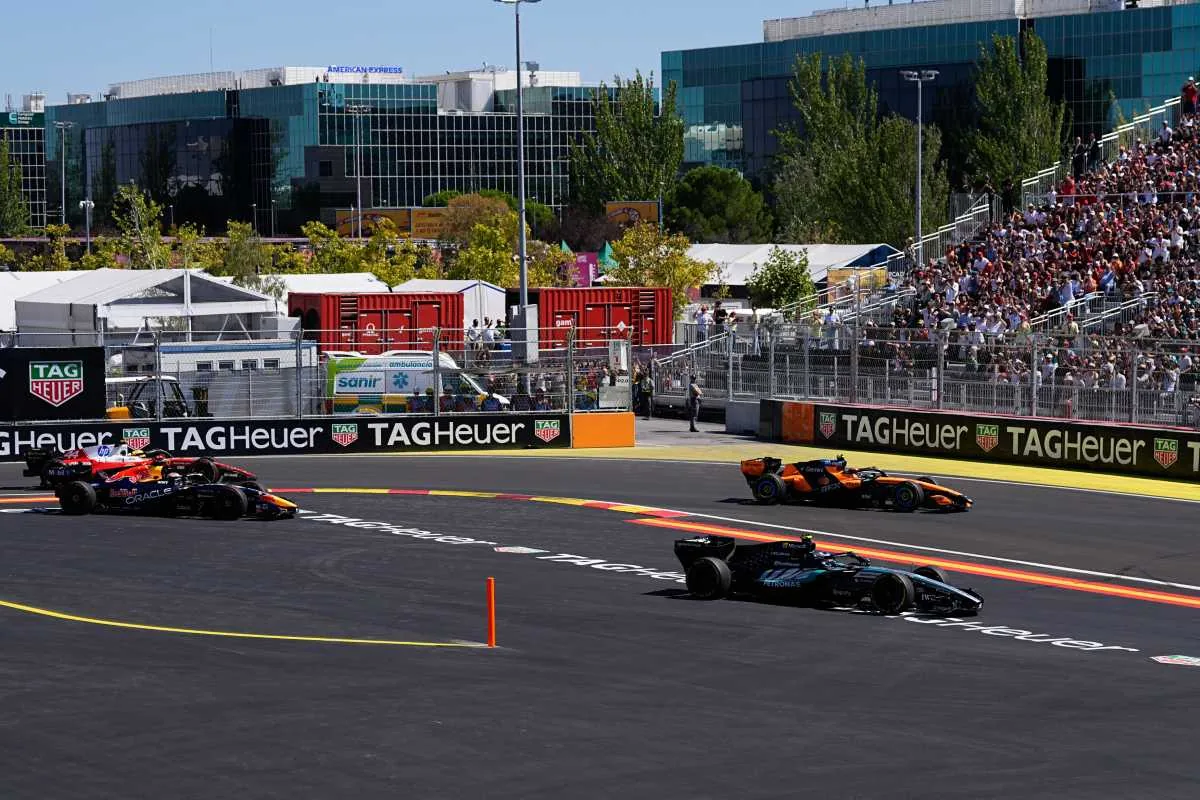
This was announced by the organizers of the GP on the Mogyorod circuit, which is located about thirty km from the center of the Hungarian capital. And the names are anything but trivial, between celebrations of the country’s patriotic and motor racing spirit and the exaltation of the myths that have made the history of Formula 1 great. In the ideal lap of the circuit, we start from the hairpin of turn 1, which could only be named after Nelson Piquet, winner of the inaugural race in 1986 after a cinematic overtake (literally, because it is one of those maneuvers that fans still remember today 40 years later) against Ayrton Senna. The track then descends slightly towards turn 2, another wide hairpin named after Lewis Hamilton: the English Ferrari driver is in fact the most victorious in the history of the circuit with, so far, eight victories and nine pole positions.
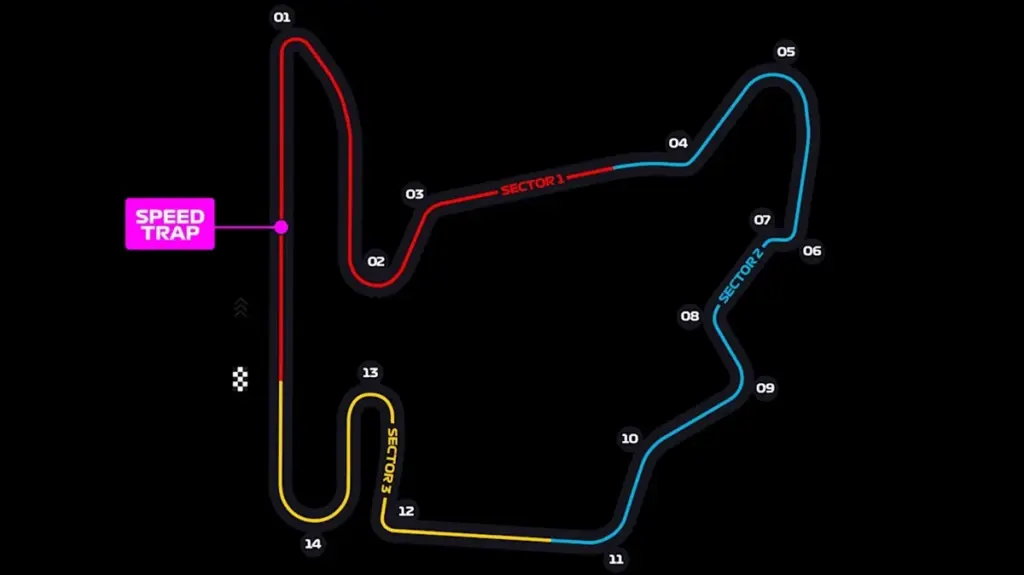
Turn three is instead called Spring in honor of the “Valley of Three Springs” which is how the area of Mogyorod, the village in the hinterland of Budapest where the circuit is located, is called, and which gives its name to turn 5. In between is turn 4, named after Nigel Mansell, who in 1987 made a powerful comeback from 12th position on the grid to victory: a true feat in an era when there was certainly no DRS or “overtake” button to pass. The subsequent bends are all for local pride: the 6-7 chicane is dedicated to the Driving Center, because that is where the structure of the first Hungarian sports driving school, founded in 1998, is located, while the following turns 8-9 are Buda and Pest, in honor of the two souls of the city split in two by the river Danube, which also gives its name to turn 10.
Read more Leclerc’s problem in FP1: it was not necessary to replace the power unit
Senna and Schumacher are also there
Turn 11 is instead dedicated to Jean Alesi, because that’s what fans informally called it for many years, given the spectacular accident that happened to the French driver during free practice in the 1995 edition. Then follow two Formula 1 giants: turn 12 is for Michael Schumacher, while the subsequent turn 13 is named after Ayrton Senna. The last turn, 14, which leads onto the finish straight, is in honor of Ferenc Szisz, the Hungarian engineer and head of Renault’s test department who won the very first GP in history organized in France on June 26 and 27, 1906.
Read more Volkswagen will halve the number of models on the market