



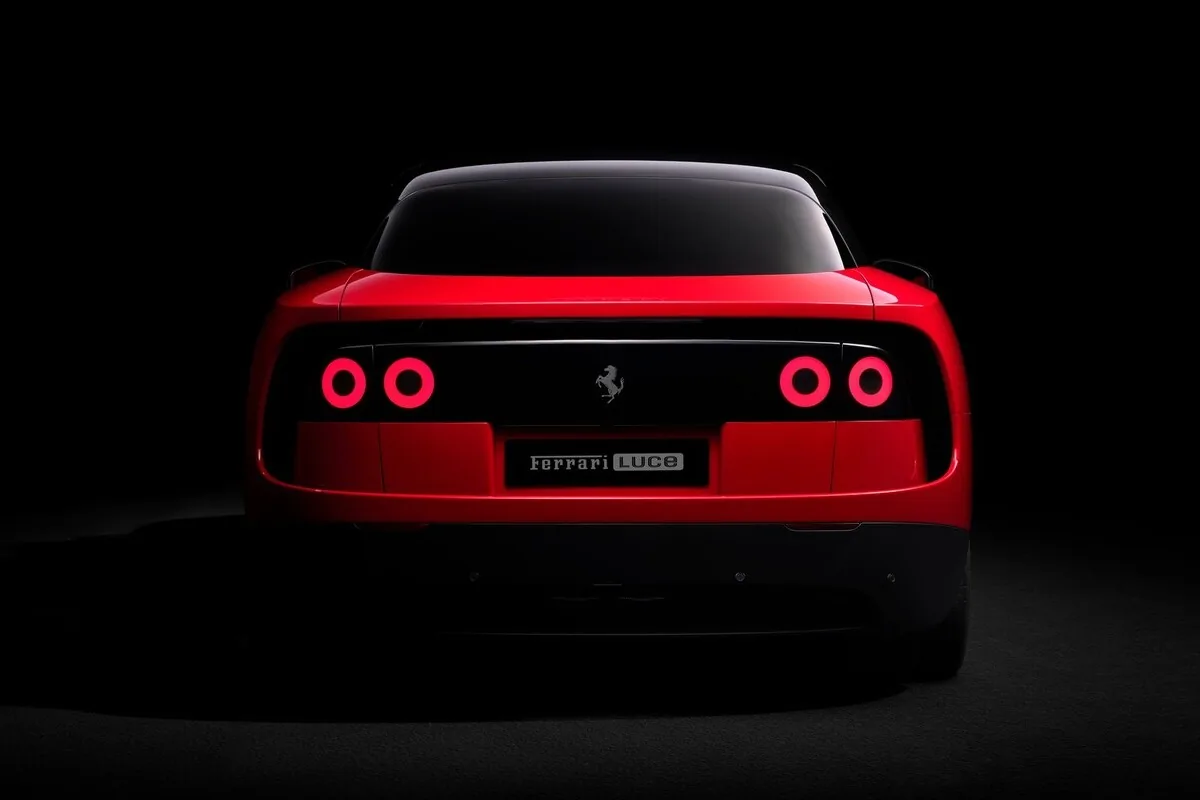
The powertrain of the Ferrari Luce was designed to combine performance, efficiency, and truly total control, transferring to a production car the expertise and processes born from years of engine development for racing. In this perspective, the electric motors are designed, validated, and assembled in Maranello. A choice that allows quality and process to be overseen consistently with Ferrari tradition, maintaining the same “track” philosophy even when the technology becomes industrial and intended for production volumes.
Read more KIA XCeed is renewed: what changes inside and out
Ferrari Luce and its electric motors
The technological solution focuses on permanent magnet synchronous motors with radial flux, derived from the F80 setup and powered by know-how built between Formula 1 and WEC. In the past, configurations of this type were often confined to prototypes or low-volume applications. With the Luce, however, Ferrari has industrialized their production without giving up excellence standards. The motor system development was supported by over 120,000 hours of R&D, with more than 250 motors tested on the bench and 9 patents. Demonstrating how the electric part was treated as a true engine project, not just a simple component.
Four EV motors and over 1,050 HP
From an architectural point of view, the system operates up to 800 V. It uses rear motors of 310 kW/355 Nm and front motors of 105 kW/140 Nm, reaching an overall axle power density of 4.80 kW/kg. The four-motor configuration, two units per axle, is not only designed to increase power but above all to enhance the ability to manage torque precisely. On the rear axle, in Launch Control, up to 7,750 Nm is transferred to the axle (post-reduction torque), enabling an extremely effective longitudinal thrust. Alongside the topic of motor, system, and wheel torque, the benefit of torque vectoring with independent management between right and left wheels also emerges. It improves naturalness, precision, and control in corners.
Read more Gucci lands in F1: will be title partner of Alpine from 2027
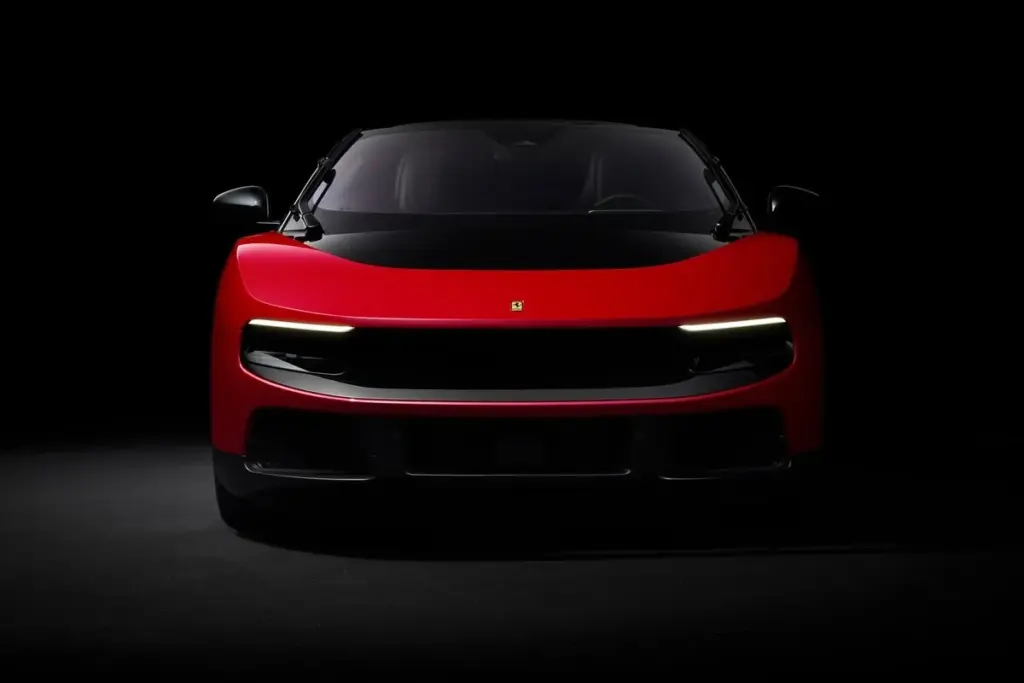
Efficiency and thermal management
Finally, efficiency and thermal management remain key drivers. Among compact stators with optimized laminations, production techniques such as vacuum resin impregnation, and solutions to increase heat exchange, up to rotors with Halbach magnets and carbon fiber components to support very high speeds. The rotational speed, up to 30,000 rpm at the front and 25,500 at the rear, serves to maximize the torque transmitted to the wheels while limiting size. The maximum angular acceleration of 45,000 rpm/sec allows reaching the maximum speed in less than a second from standstill.
Click here to add Formula Passion as a preferred source on Google Discover: you will find our content more easily!
Read more Record auction for Gilles Villeneuve’s last racing helmet: 1.25 million dollars