




Rain threatens the Miami GP
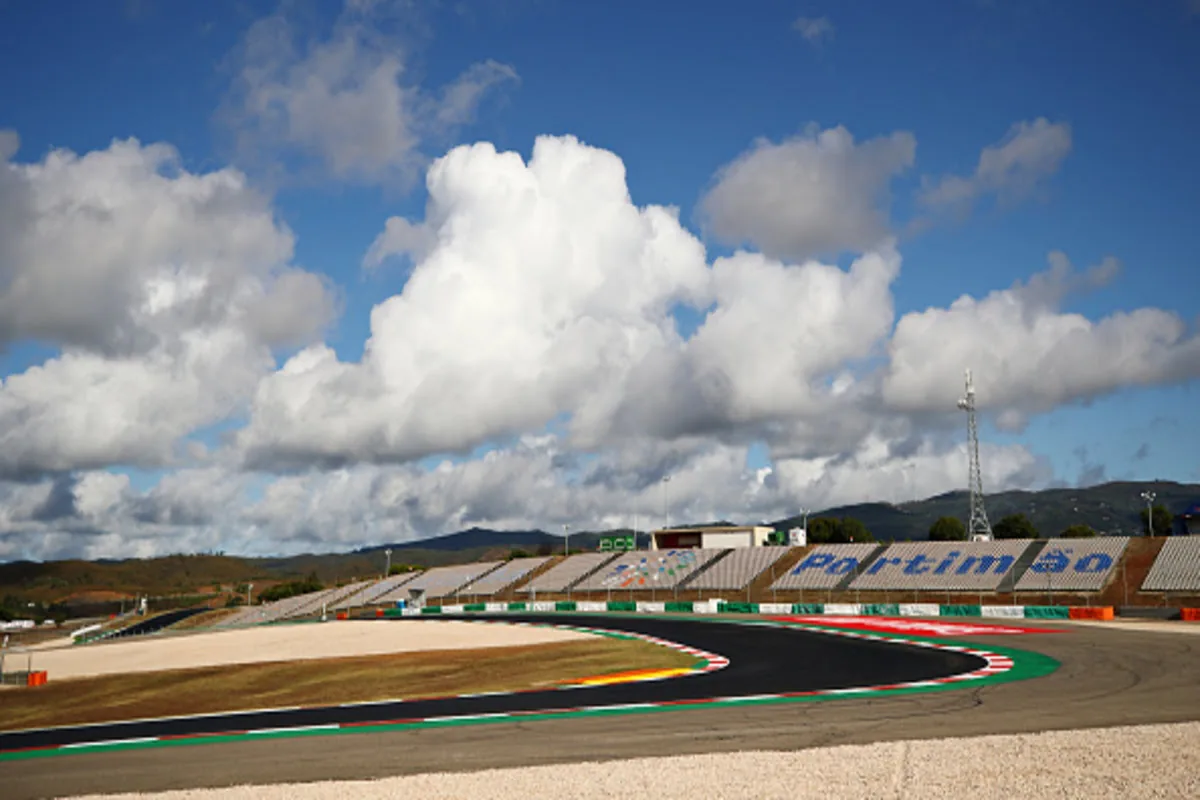
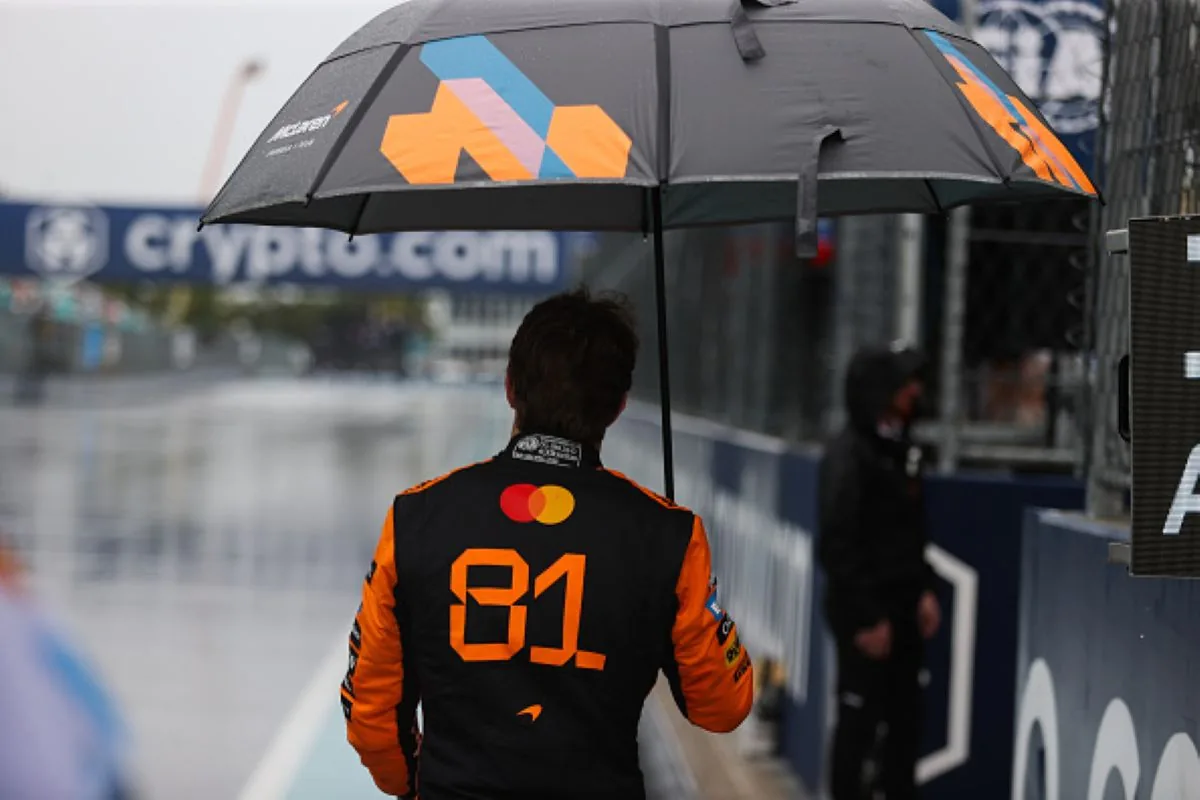
The updated rules and technical developments brought to the track by almost all teams have so far given us a Miami GP weekend with a surprising performance picture. In a weekend with results that cause astonishment – at least compared to the first three races of the season – there is however one forecast that remains unchanged, and that is the weather: since Wednesday, almost catastrophic announcements related to track conditions have been circulating, as the track could be flooded by a heavy thunderstorm said to hit Florida on Sunday, right in conjunction with the fourth GP of the 2026 Formula 1 season. A forecast now officially confirmed also by the International Federation, which for the first time in history has activated the protocol linked to the new rule of “Rain Hazard” (literally translated as “rain danger”).
Read more Here is Norris again, the champion is back: “More predictable car, this helps us push”
What is the Rain Hazard protocol
The novelty, approved at the beginning of this championship, provides teams with the possibility to partially derogate from parc fermé rules, at least in all those cases where the FIA Race Director declares before qualifying (or Sprint Qualifying) a “Rain Hazard” situation for the race (or for the Sprint Race). Such a declaration is however at the total discretion of the race director (currently the Portuguese Rui Marques) if there is a risk of over 40%, based on forecasts from the official Meteo France service, of having to run a wet race. This is exactly the case in Miami: the weather threat persists, with rain showers expected in the morning, before a thunderstorm in the mid-afternoon of Sunday, May 3, precisely during the hours when the GP is scheduled to take place, with the start planned at 16:00 local time.
Possible (limited) team interventions on the setup
It is still not 100% clear what the FIA’s Rain Hazard declaration actually entails, because all the components that can be modified by teams after qualifying and ahead of the race are specified only within a confidential document between the Federation and the teams. According to Jon Noble’s reconstruction on the specialist site The Race, it would not be a true cancellation of the parc fermé regime, but the granting of two types of interventions on the cars, to adapt the setups to the rain without overturning the setup established by the engineers: the main changes should be the ride height and also the angle of the front movable wing, which in case of rain can still be opened on straights, unlike the rear wing which must by regulation remain closed.
Read more Farewell to Alex Zanardi: the memory of BMW
The choice to allow possible modifications to the parc fermé regime through the Rain Hazard protocol was made mainly to avoid too many disqualifications in case of a wet race after a dry qualifying: the fact that movable wings remain partly closed for safety reasons means that cars are subjected to greater vertical loads on straights (albeit with lower top speeds) which could lead to much more marked plank wear and thus many disqualifications at the end of the race. For this reason, the possibility to open the movable wing only on the front even on a wet track was initially foreseen, and then also the Rain Hazard mode to modify the ride height (and little else).
Miami GP: will the start time change?
According to Sky UK, an emergency meeting of F1 leaders is also planned after qualifying to decide whether to bring forward the Sunday race by a few hours, avoiding the period of heaviest rain. The start of the 2026 Miami Formula 1 GP is for now still scheduled at 22:00 Italian time.
Read more Antonelli, two points thrown away: he gets penalized and drops from 4th to 6th