



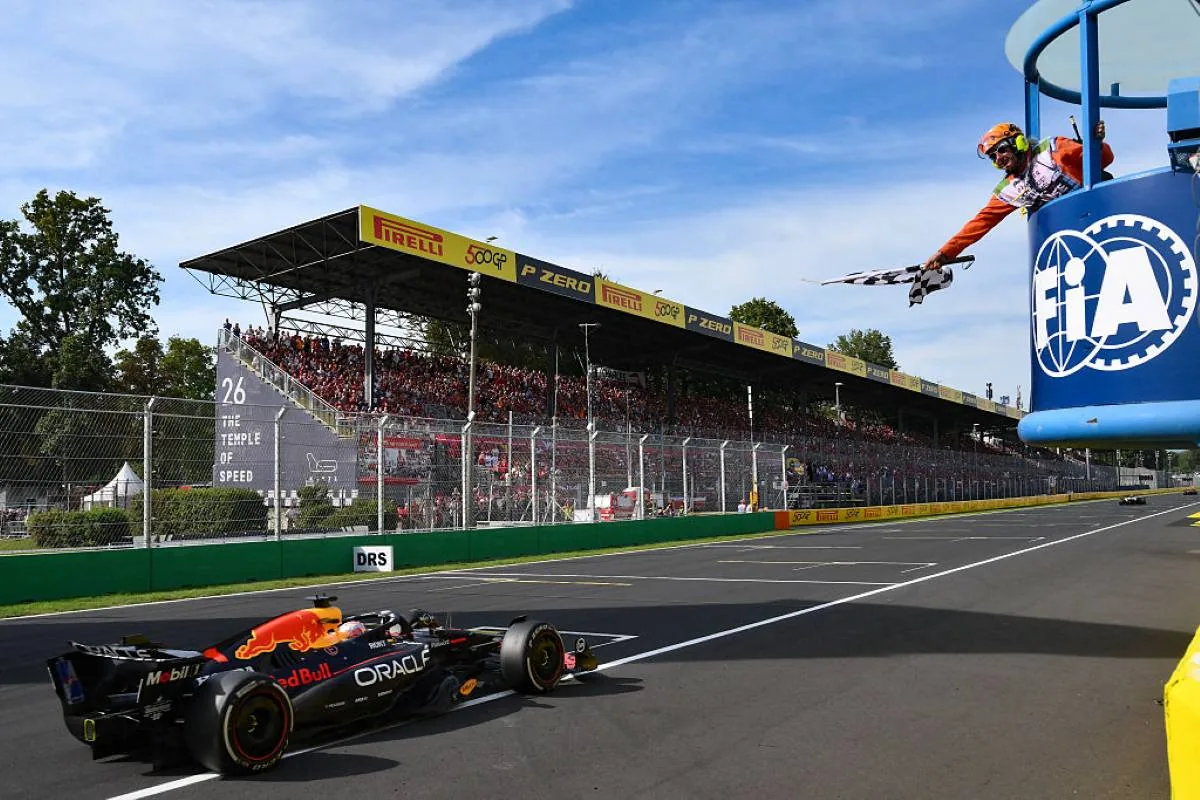
The Italian Grand Prix simultaneously embodies one of the worst and best scenarios for Formula 1 2026. For years, the Brianza track has been indicated as one of the most critical in view of the current regulations, whose long straights, combined with the lack of braking zones, will make managing battery charge very difficult. On the other hand, the new cars will have the opportunity to express their excellent straight-line performance to the fullest, with speed continuing to play a leading role, albeit in a different way than in the past.
Read more Team order Antonelli-Russell, Mercedes assures: “We would have done the same to help George”
Aerodynamic adjustments
The Monza circuit could be the first track where the current cars will be faster than the previous ones, with simulations predicting lap times 2 seconds faster than the ground effect era. The reason lies in the lower aerodynamic load of the 2026 cars, which, while a limitation on all other world championship tracks, becomes an advantage at Monza. By generating less downforce, less drag is also produced, benefiting straight-line performance. The new cars will therefore reach higher top speeds than the previous ones, but with a different pattern. As happened on other tracks, the current cars will hit higher speed peaks, then gradually slow down as clipping kicks in, that is when the battery draws power from the thermal engine to recharge.
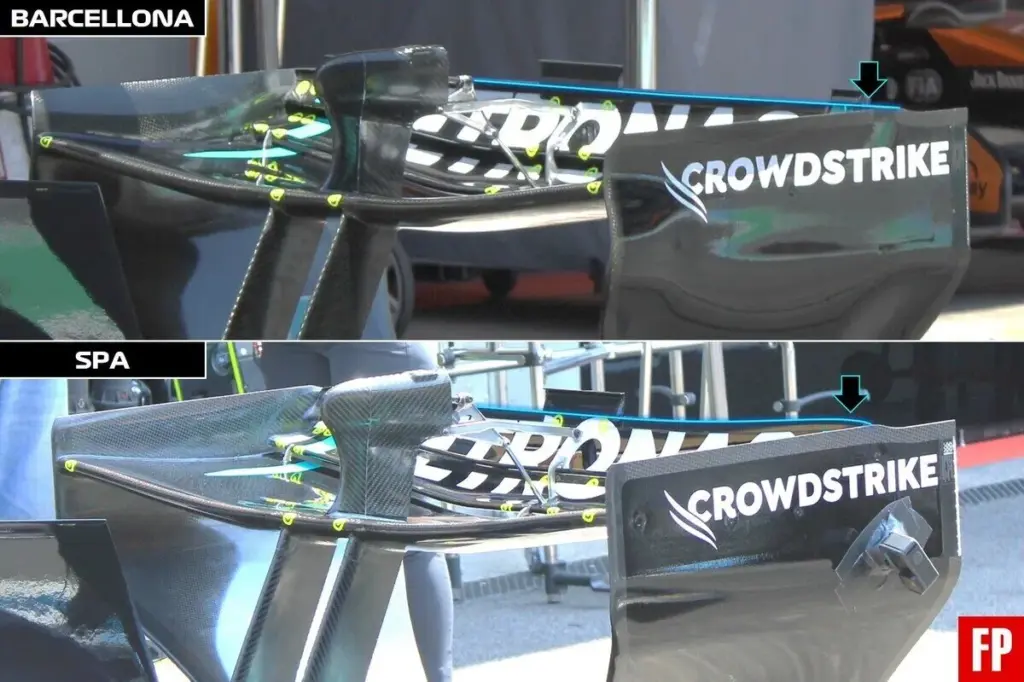
That does not take away from Monza remaining the quintessential high-speed track, with expected average qualifying lap speeds exceeding 260 km/h. Reducing downforce and aerodynamic drag will still be a priority, albeit softened by the new movable wings that open automatically on the straights. Never before has the budget cap been so restrictive for development, discouraging the creation of dedicated packages for the Italian round. Surely teams will strip the wings of all extra appendages mounted on recent high-downforce tracks, but some will go even further. Mercedes and McLaren, for example, had already introduced new low-downforce rear wings at Spa, with the Brackley team also making smaller flaps for the rear wheel groups. At the time, the Silver Arrows chose not to use these innovations, which will however be very useful in Brianza.
The dual role of the power unit
The new great challenge of the Temple of Speed will instead be energy management. Limiting battery consumption on the long straights while simultaneously recharging it in the few braking zones available appears to be a decidedly difficult task. The only solution will be to strategically choose the zones where to use the electric motor and where instead to recover energy, with the FIA possibly limiting the rechargeable amount from 7 to 5 MJ per lap.
There are four straights available at Monza, including the stretch between the first two chicanes, which is why energy strategies could be quite different among teams. As often happens, during free practice the teams will tend to converge in approach, but in the race there will still be opportunities to use the electric part differently to attack or defend. Overtaking opportunities look decidedly better than in previous editions, which outlines a weekend more focused on race pace rather than qualifying.
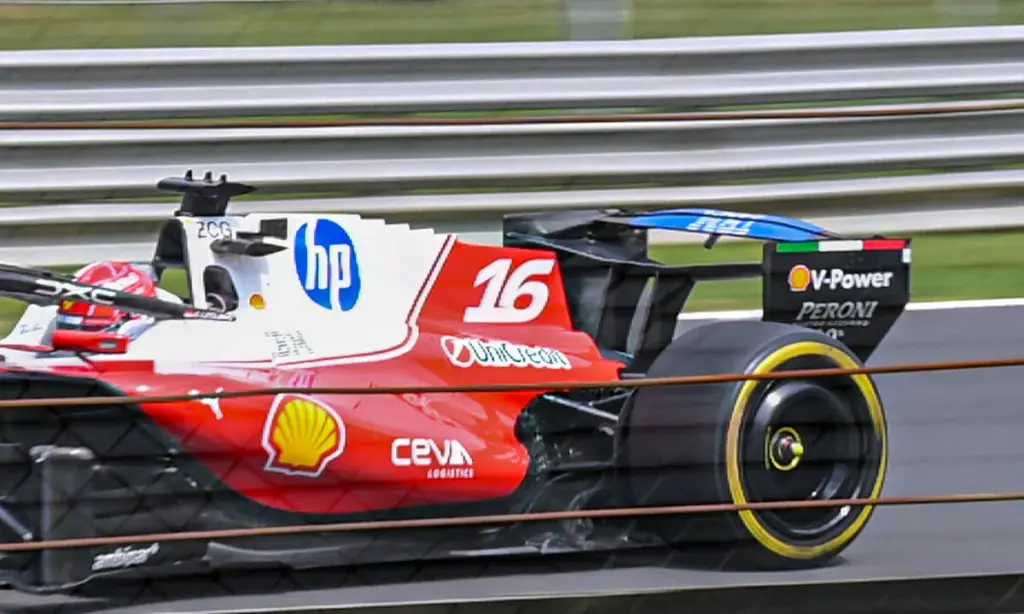
Energy management will therefore be of absolute importance, without diminishing the role of the thermal engine. Releasing more power than rivals will continue to be a significant advantage, even if it will not always be fully transmitted to the wheels, being partly absorbed by the battery to recharge. One wonders if some teams will remove the FTM, the flap mounted behind the exhaust, first designed by Ferrari. Removing it would mean giving up some aerodynamic downforce, but gaining a few horsepower from the engine, freer to breathe without obstructions at the exhaust outlet.
Effects on driving
It remains to be seen what the effects of the new Monza will be on the drivers’ driving. The fear is that super clipping and the progressive slowing of the cars at the end of the straight could diminish the braking zones, another great distinctive feature of the Temple of Speed. Brembo simulations still predict four braking zones with deceleration over 3 g, three of which will exceed 3.5 g.
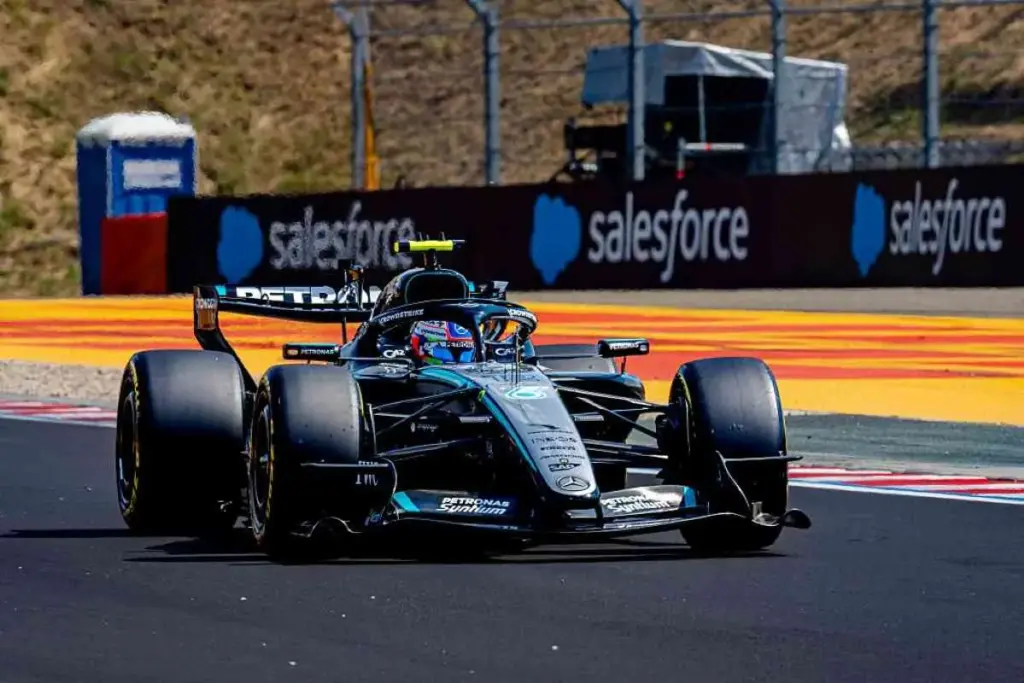
Certainly, where the drivers’ lives will become more difficult is in the corners. Historically, tackling the chicanes, the Lesmos, and the Parabolica with the little downforce available is always tricky and this year it will be even more so, with a generation of cars even less glued to the ground. The challenge will be not to slide too much, so as not to overheat the tires and disrupt the energy management strategy, which instead requires clean and consistent driving. Overall, the new Monza will be different from what we were used to, without losing those traits that have always distinguished it.
Read more Monza: great heat all weekend long