







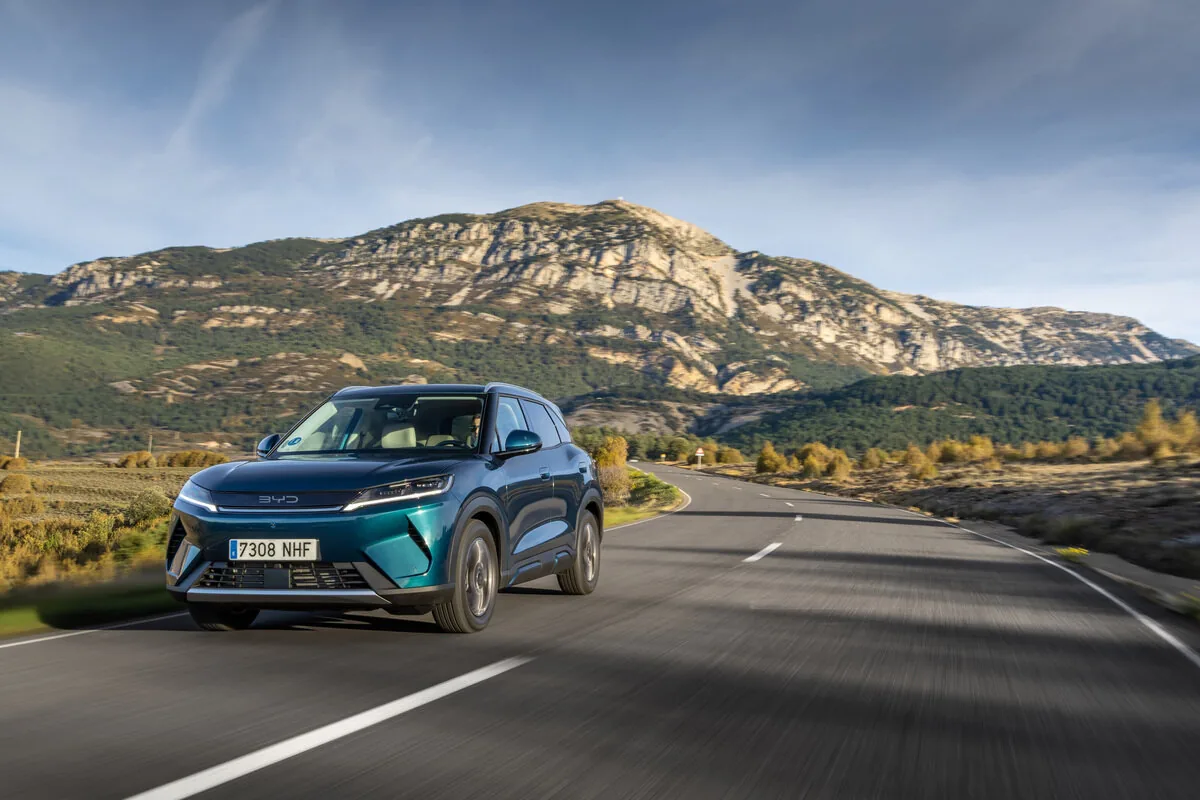
For much of the last three years BYD has seemed unstoppable. The Chinese tech company has launched new models at a continuous pace, expanding its range and seeing its sales grow at impressive rates. However, the beginning of 2026 has highlighted significant slowdowns for the company, especially in its home country. In the first two months of the year, it sold 400.241 vehicles, a decrease of 36% compared to the same period in 2025. In February alone, sales were 190.190, down 9,5% compared to January (an effect partly due to the Lunar New Year) and 41% compared to February 2025.
Read more Mercedes like Ferrari and F1: improvement is possible
BYD slows down in China
Among the causes are the reduction of tax incentives and a drop in buyer confidence. In fact, many consumers seem to prefer to wait to see which new models will arrive and if government incentive and trade-in programs will become clearer before committing to a purchase. Aside from the difficulties in the domestic market, BYD continues to expand abroad: in February alone, it exported 100.600 electric and plug-in hybrid vehicles, bringing the January–February total to 201.082 units exported.
Read more Vasseur praises Hamilton: “Important to have two cars in front”
Geely’s historic overtake
Meanwhile, other Chinese manufacturers are recording strong growth. Leapmotor saw sales rise by 19% in the first two months of the year, Xiaomi’s EV division grew by 48%, Zeekr recorded a surge of 84%, and NIO increased deliveries by 77%. Particularly relevant is the case of Geely, which has so far delivered about 76.000 more vehicles than BYD in the first two months of 2026, marking the first time in the last five years that Geely has surpassed BYD in sales for at least two consecutive months. While Geely now leads in China, it remains slightly behind in foreign markets with 181.891 vehicles exported so far this year.
Read more Hamilton: “We need to find out if the Mercedes advantage comes from power or the battery”