
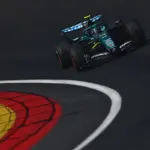



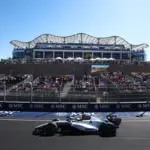



The Hungaroring sets the stage for the debut of Aston Martin’s much-anticipated first evolutionary package. The technical department coordinated by Adrian Newey has revolutionized some concepts, while at the same time pushing other solutions of the AMR26 to the extreme, including the rear suspension. The Silverstone team has not only worked on aerodynamics, but has also made modifications to the chassis and cooling system, approaching the minimum regulatory weight.
All-new Aerodynamics
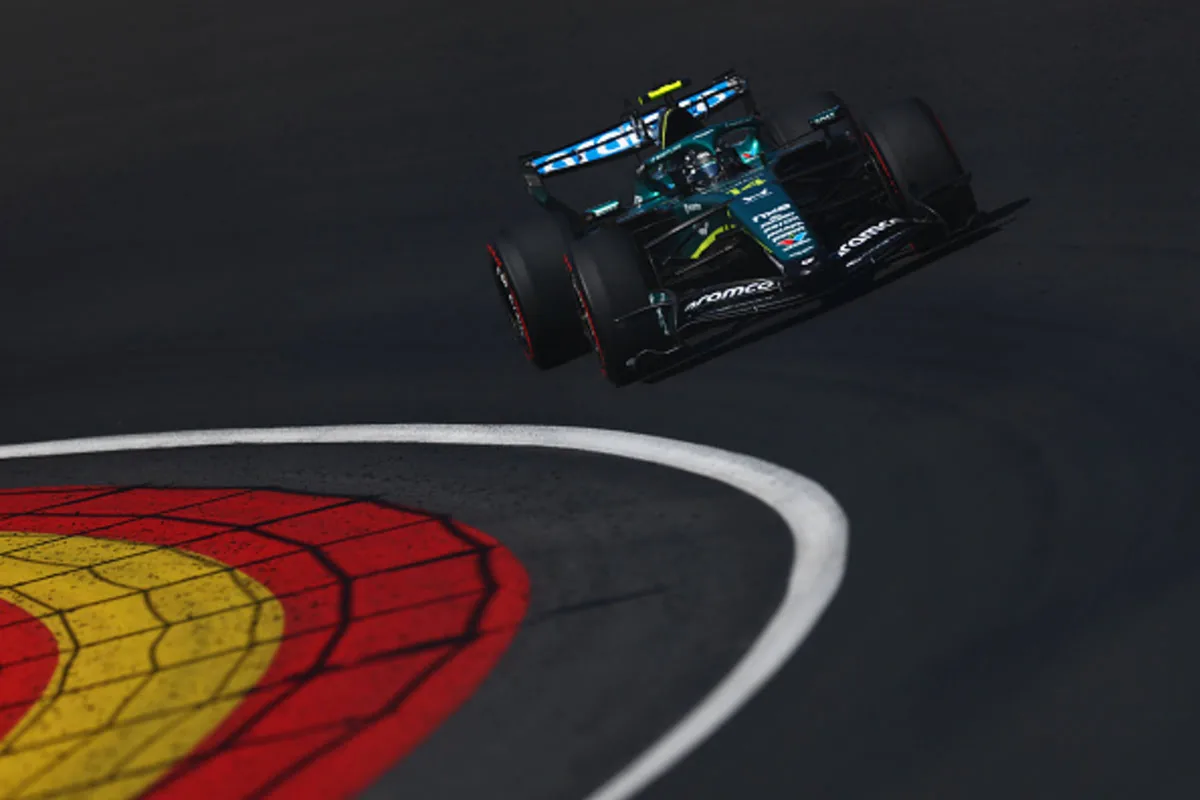
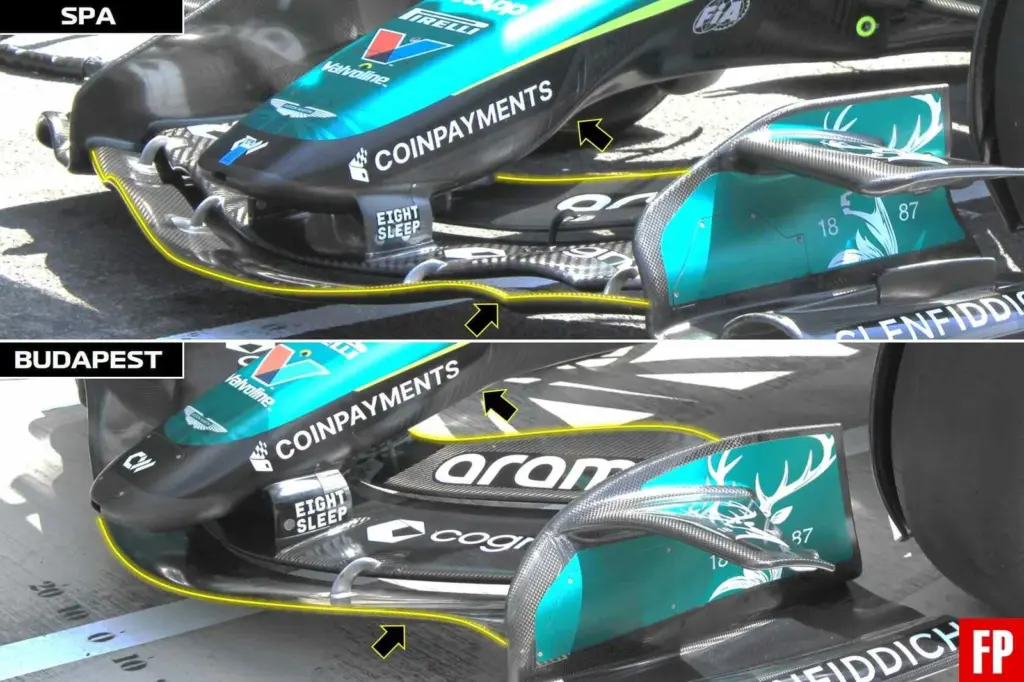
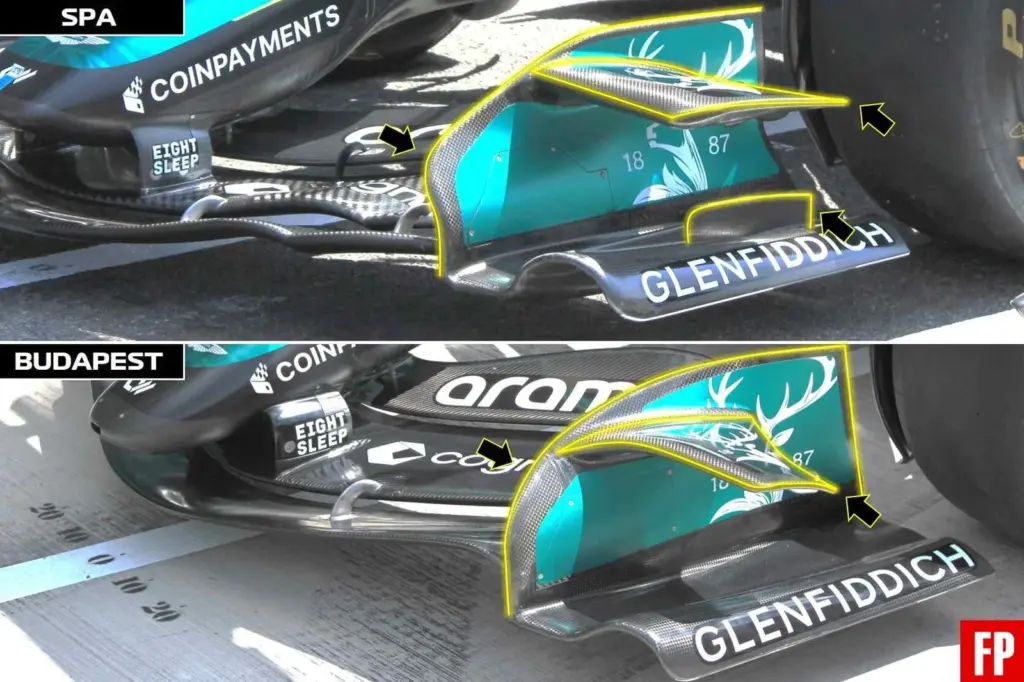
Aston Martin’s is a complete aerodynamic overhaul, starting from the front to the rear. The front wing in Budapest stands out for a different profile design, setting up the flows that then interact with the rest of the single-seater differently. The most evident change is the nose, decidedly slimmer than the previous one, which will have required a new structural study to pass the crash tests. The British team, however, has not given up on mounting the nose pillars on the second element, limiting active aerodynamics to the last profile, as on the Mercedes. Other modifications are also noted in the area external to the endplates, including the different shape of the vertical bulkhead and the increased incidence of the diveplane, the downward flap that helps mitigate front wheel turbulence.
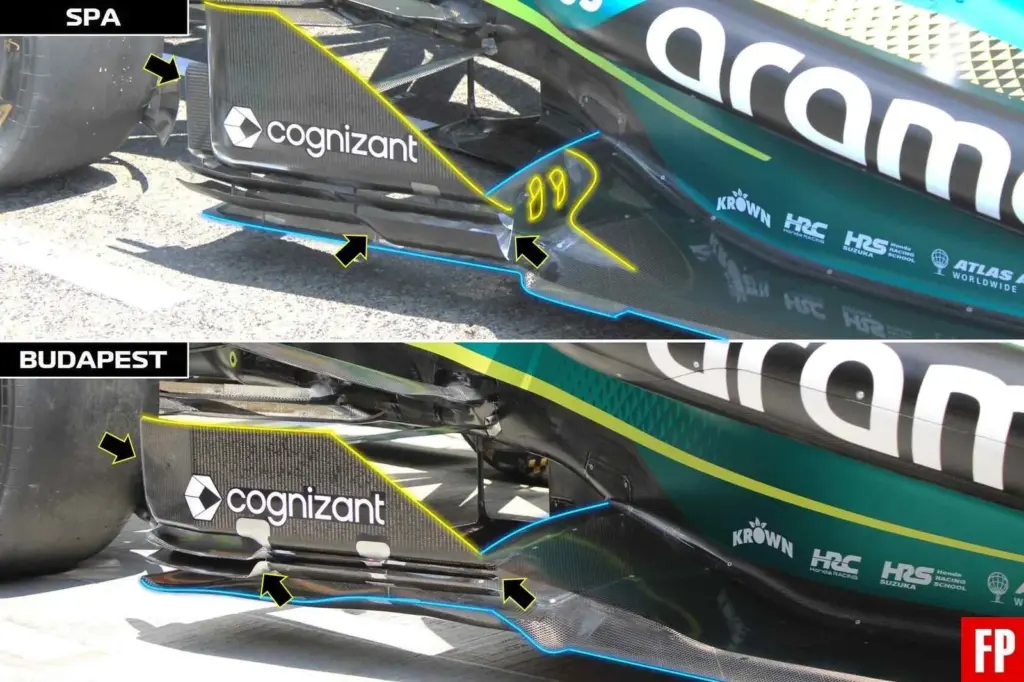
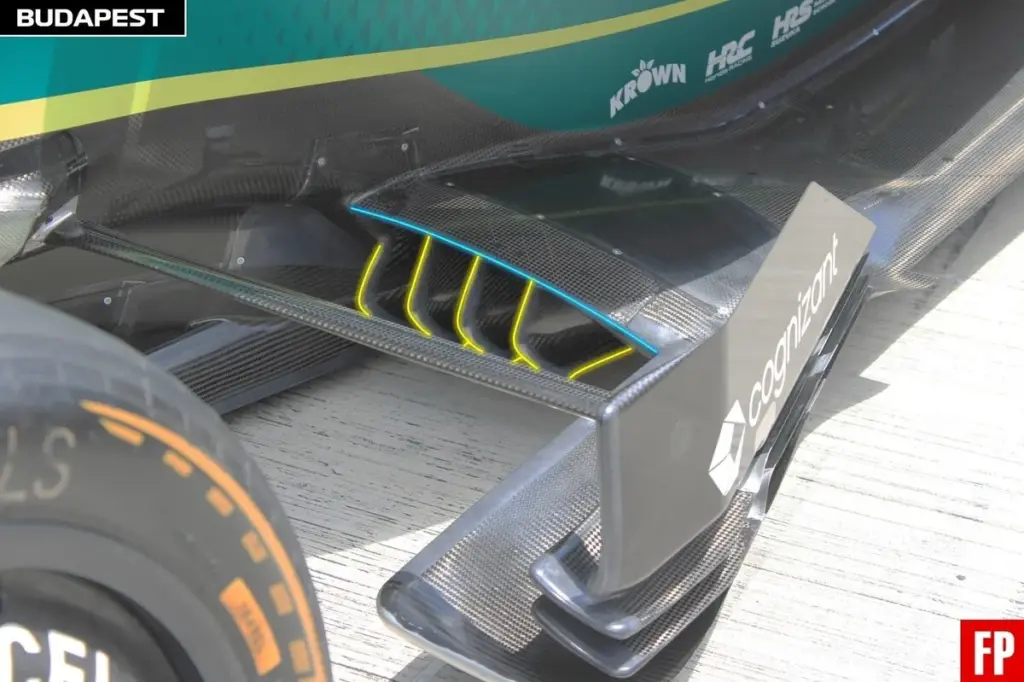
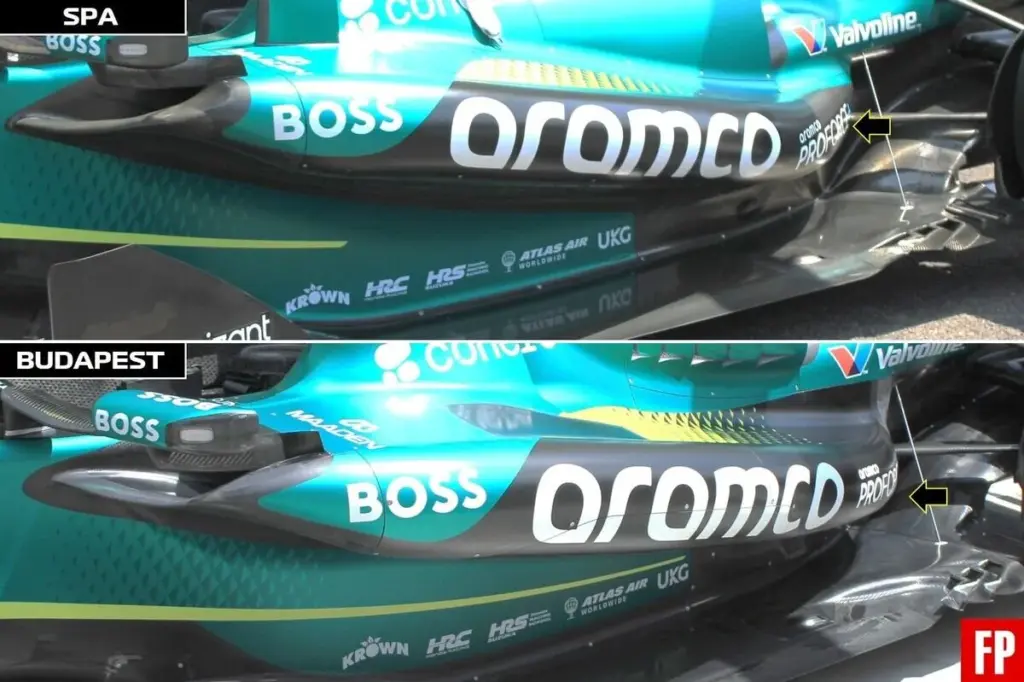
The extent of the changes at Aston Martin can be fully appreciated from the new floor, which continues to be the most important aerodynamic component. The inlet section is now much wider, channeling more air under the car. Previously, the British team had chosen a lower design, to shape the upper surface of the floor and exploit vertical elements to maximize the outwash effect, pushing turbulence outwards. Aston Martin is now moving towards a more traditional setup, although the visible presence of only four flow conditioners at the inlet is surprising, leading one to wonder where the fifth allowed by the regulations is located. In the same area, modifications to the bargeboards and other external aerodynamic elements are also noted, along with a different trend in the lateral edge of the floor.
Even Higher Suspension
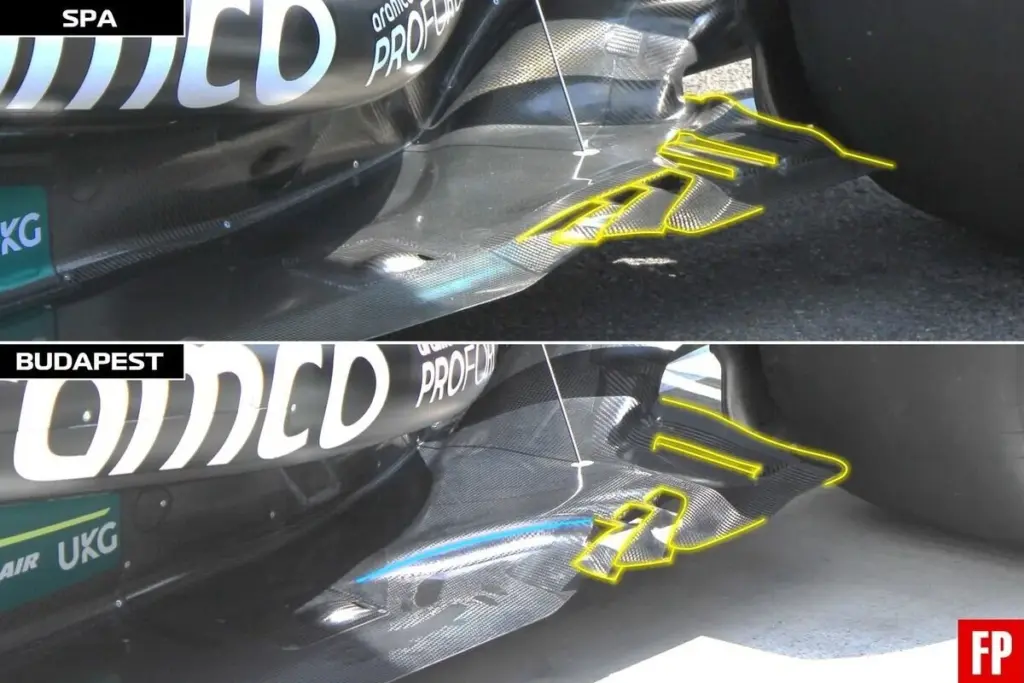
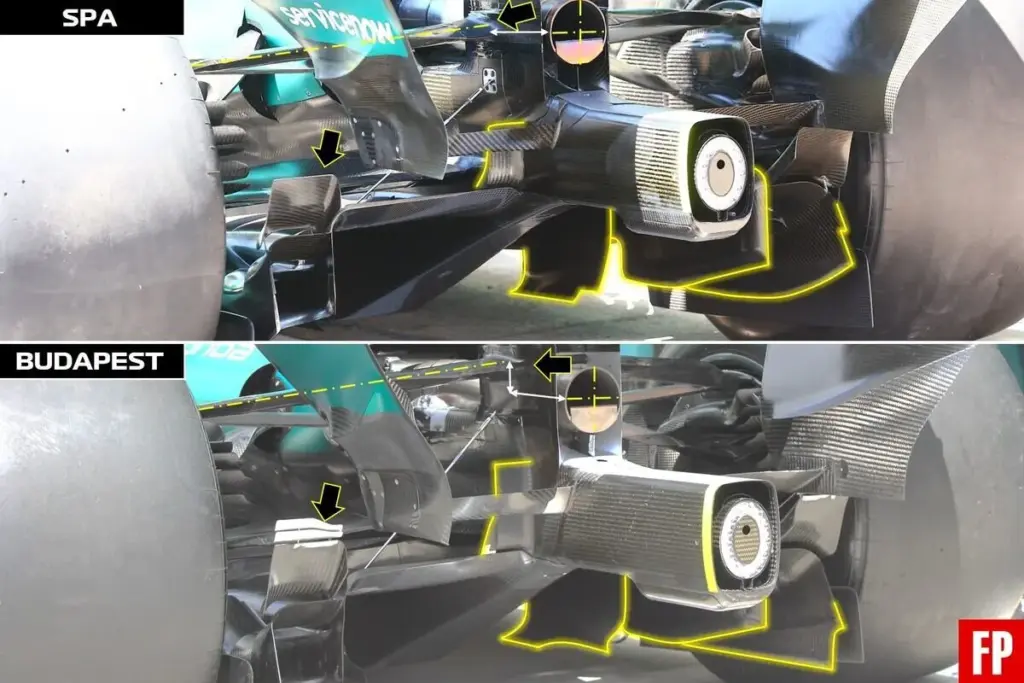
Looking further back, Aston Martin has refined the blow-offs in front of the rear wheels, without deviating too much from the initial design of the year. Particularly noteworthy is the shaping of the floor, creating a useful volume to generate outwash, channeling the flows into the area of the openings in front of the wheels.
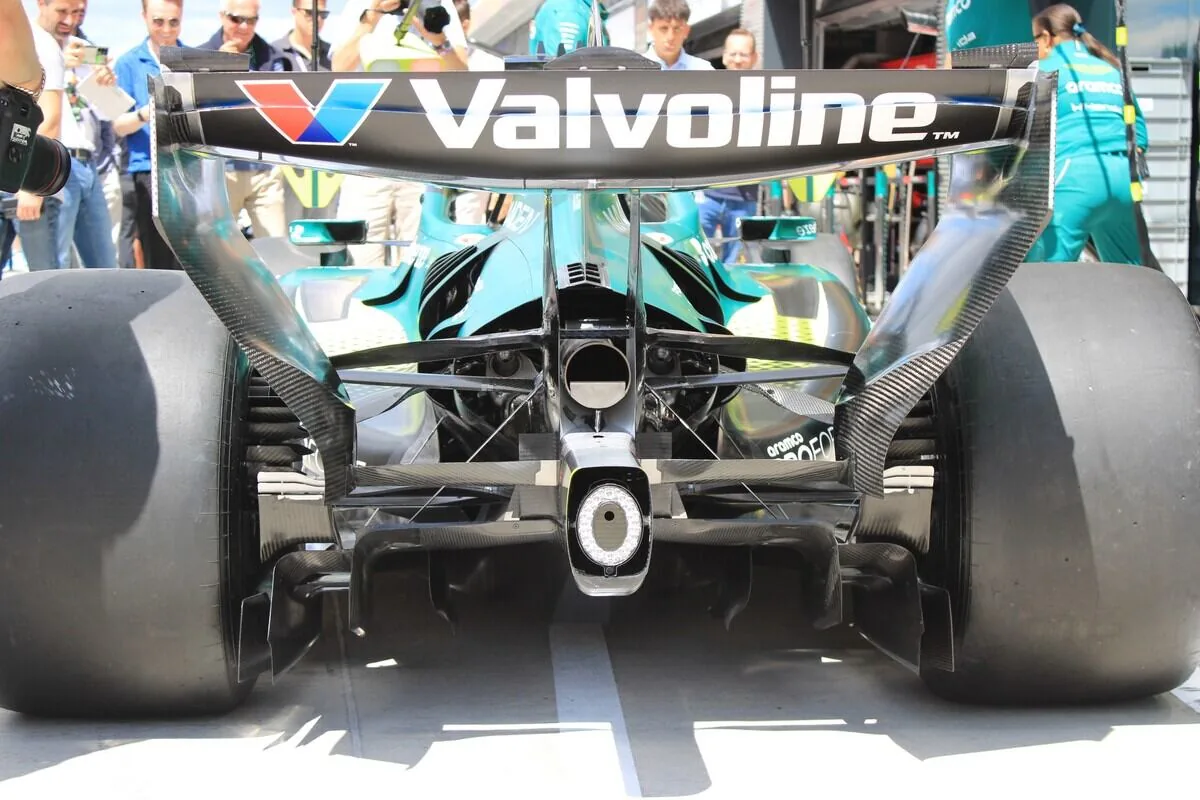
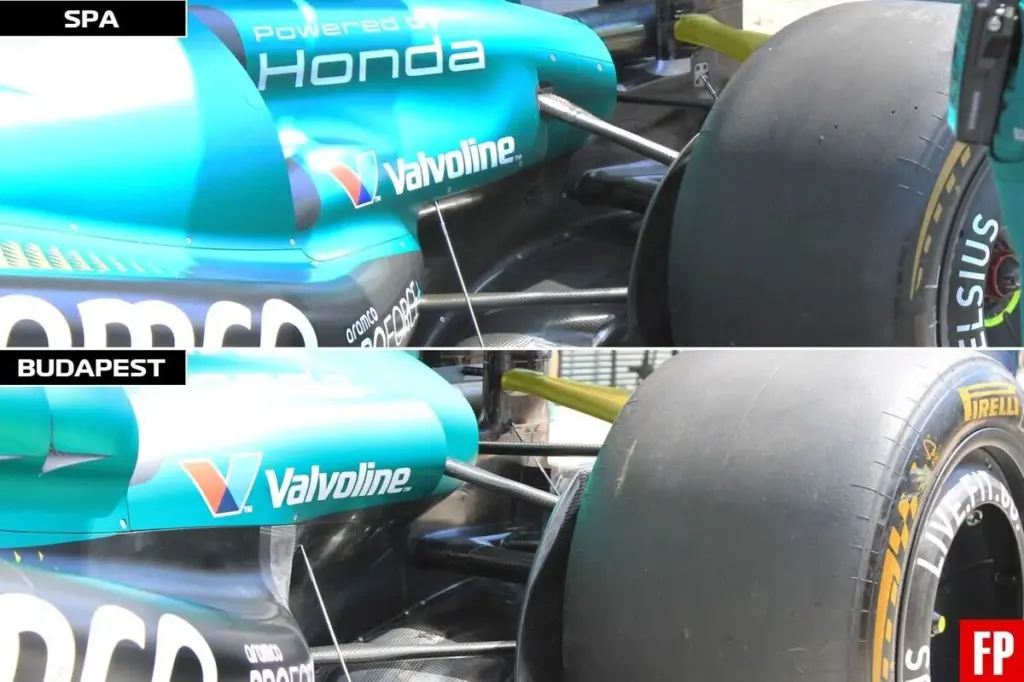
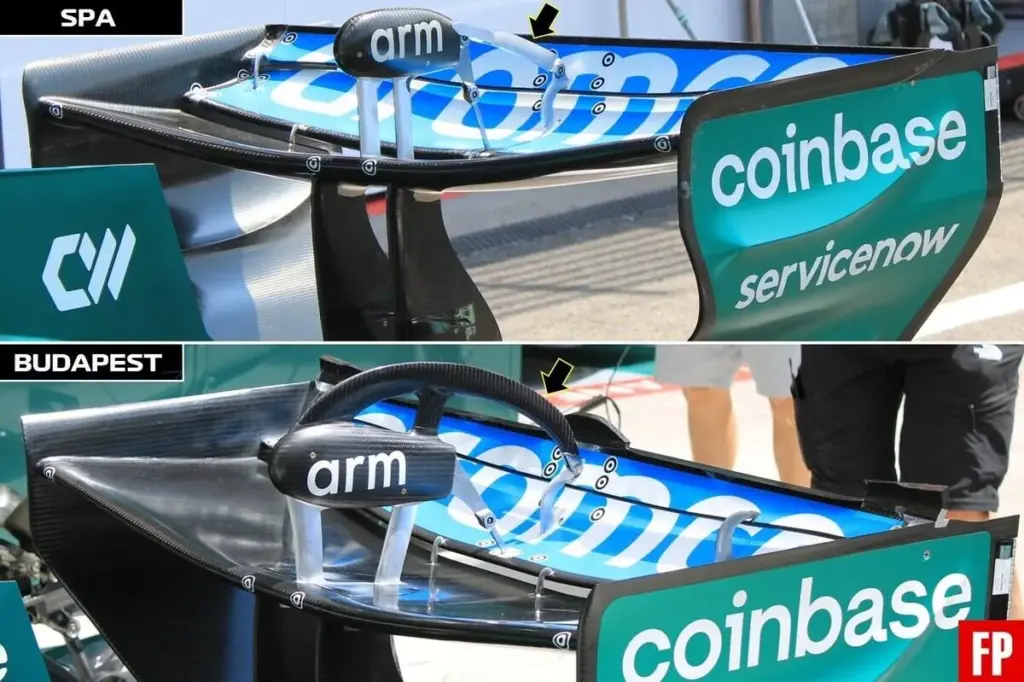
The team then carried out extensive work on the rear aerodynamics, developing the wheel group flaps, but especially the bulkheads and strakes of the diffuser. From the same view, the raising of the upper rear wishbone of the suspension can also be appreciated, freeing up volume in the lower part to allow air to flow better around the gearbox. Aston Martin, in fact, already with the first version of the AMR26 had not mounted the wishbone on the gearbox casing, but on the rear wing pillars, now being able to change its attachment point without having to modify the suspension casing. It will be up to the team to investigate whether the mechanical modifications themselves caused the suspension failure on Stroll’s car in the first free practice session, on a track that is nevertheless very bumpy. Finally, the rear wing is also new, both in its profiles and in the active aerodynamic opening mechanism.
Read more Ferrari super with Leclerc, but there’s a thrill: a problem knocks out the SF-26 at the end of FP1
The Novelties Under the Hood
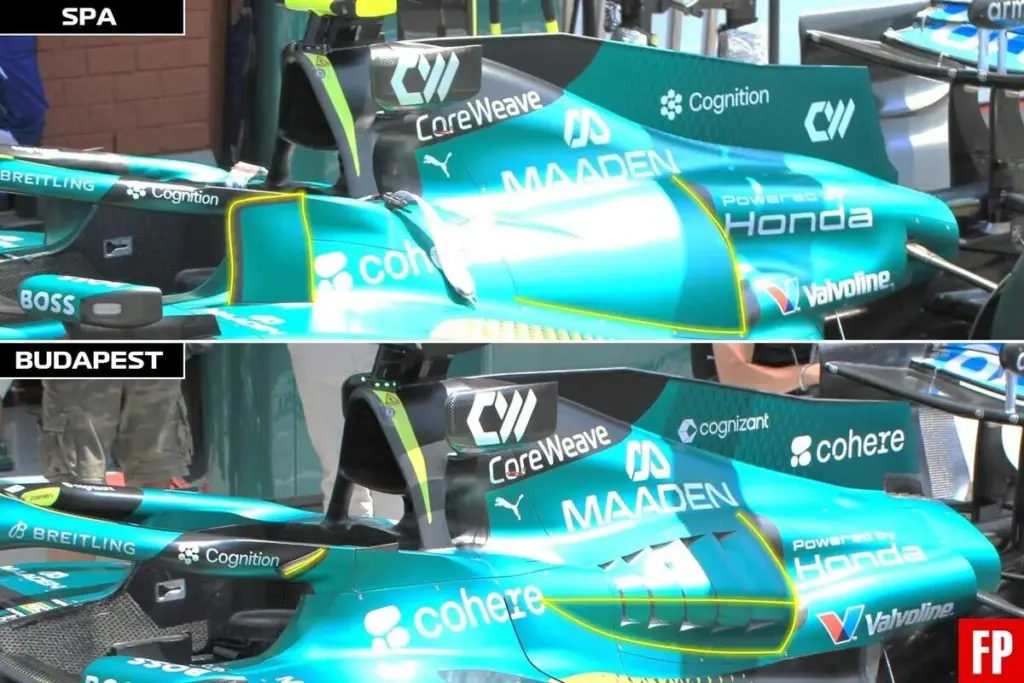
There has been no upheaval regarding the bodywork. The sidepods of the AMR26 continue to be raised relative to the floor, channeling a lot of air in the lower part towards the gearbox area, foregoing the use of carbon surfaces to push flows outwards. The upper part of the engine cover is slightly different, contributing to the greater severity of the Hungarian track regarding internal temperature management.
Under the skin, however, Aston Martin has also made modifications to the cooling system, a source of some critical issues in the first part of the season. Overall, at Silverstone, they hope that the new package will benefit the performance of the Honda power unit. Having more grip and being able to tackle corners at higher speeds will help save energy during acceleration, improving the overall hybrid management.
The Other Improvement
Aston Martin has never hidden the fact that it started the AMR26 project late, due to the delayed completion of its new wind tunnel last year. With the Budapest package, the team aims to capitalize on the greater knowledge of the new regulations gained in recent months, rectifying the car’s basic concept. The aerodynamic gains are then complemented by those from weight reduction, given that overweight was another major problem at the start of the season. This also led to the debut of a new chassis, which from Zandvoort will host the updated Honda power unit. Aston Martin hopes to start climbing the ranks, with the awareness, however, that it will take time to reach the top.
Read more Maserati GranTurismo and GranCabrio, luxury and sportiness