
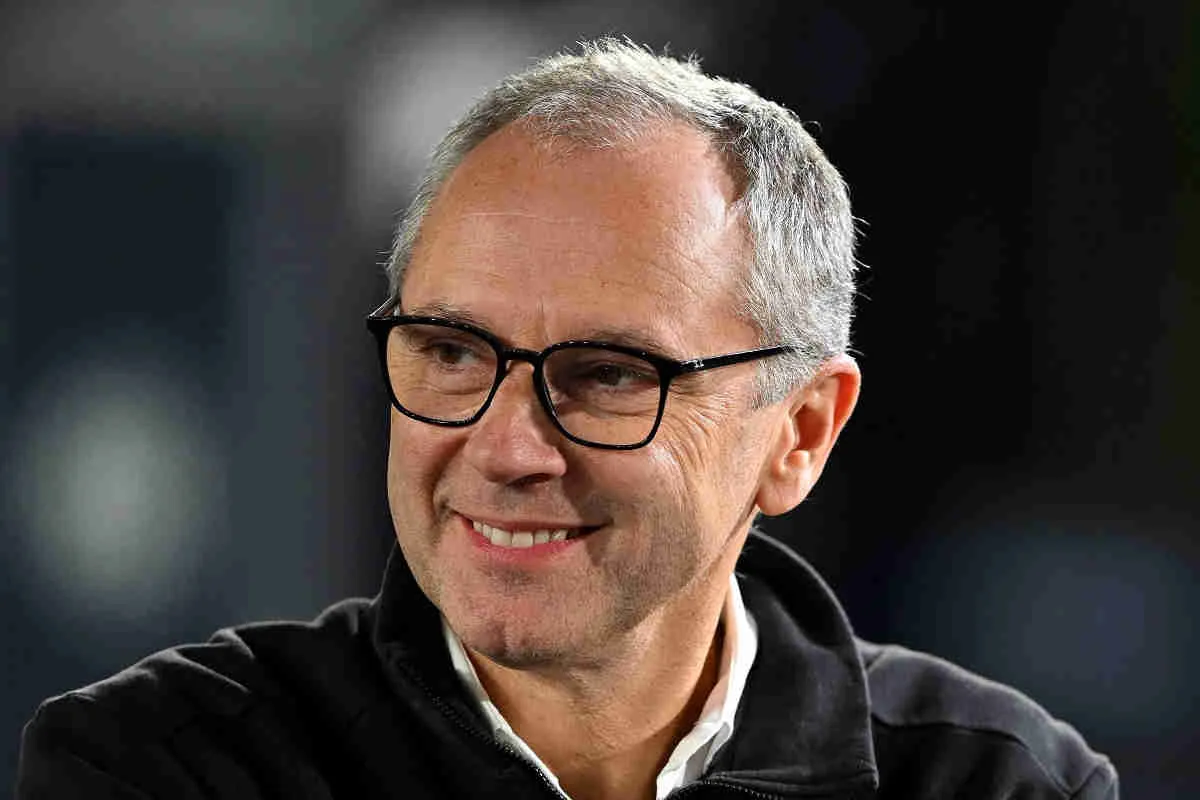
F1 plans the future
There are not only interventions on the present on Stefano Domenicali‘s agenda. The F1 president is certainly aware that the 2026 regulations need some tweaks; but, precisely to avoid the mistakes made in recent years, it is necessary to plan a futuristic path well in advance, avoiding going down dead-end tracks. Among the most discussed hypotheses is the reduction – if not the elimination – of the hybrid component, entrusting sustainability to synthetic or biological fuels, while the debate on the type of internal combustion engine remains open, between naturally aspirated, turbo, and number of cylinders.
Read more Peugeot 208 GTi, electric meets performance
It is necessary to start early, actually immediately, to have a better F1 in 2031. Domenicali himself is well aware of this, hoping for a lighter, simpler, and cheaper engine, following what Mohammed Ben Sulayem already requested months ago.
Domenicali’s words
“We cannot waste too much time, because time passes too quickly. We must be solid enough not to find ourselves backed into a corner, we must decide as soon as possible,” this is Domenicali’s comment to Autosport. “Of course, we will discuss it together with the FIA. But it is something we must decide this year. It is obviously up to the Federation to propose it, but personally I see sustainable fuel at the center of the future, with a different balance between electric and a combustion engine. This is motor racing, it will allow us to have lighter cars, capable of pushing to the maximum, and better races. I believe we are moving in the direction that should make purists happier.”
Read more Official: Bosch and WEC together until 2027
The various criticisms of the new regulatory cycle have led F1 to consider bringing forward the new cycle from 2031 to 2030 (in this case a “supermajority” among engine manufacturers is required). A hypothesis on which Domenicali remains open but which must take into account the needs of those who have invested to enter F1 with the 2026 regulations: “The cycle will expire at the end of 2030. After that, the FIA could develop a new regulation. We will certainly collaborate with the Federation on this front. Afterwards, it will be a matter of understanding whether it is possible to anticipate this evolution. This will be one of the topics we will discuss in the next discussion. At the moment, however, having a manufacturer investing in Formula 1 is something incredible, not taken for granted, which deserves our total respect. Let the FIA coordinate with its vision of what could be the right regulation to propose to engine manufacturers and teams.”
Read more Pains and engines: problems, tricks, and modifications of the new rules – VIDEO