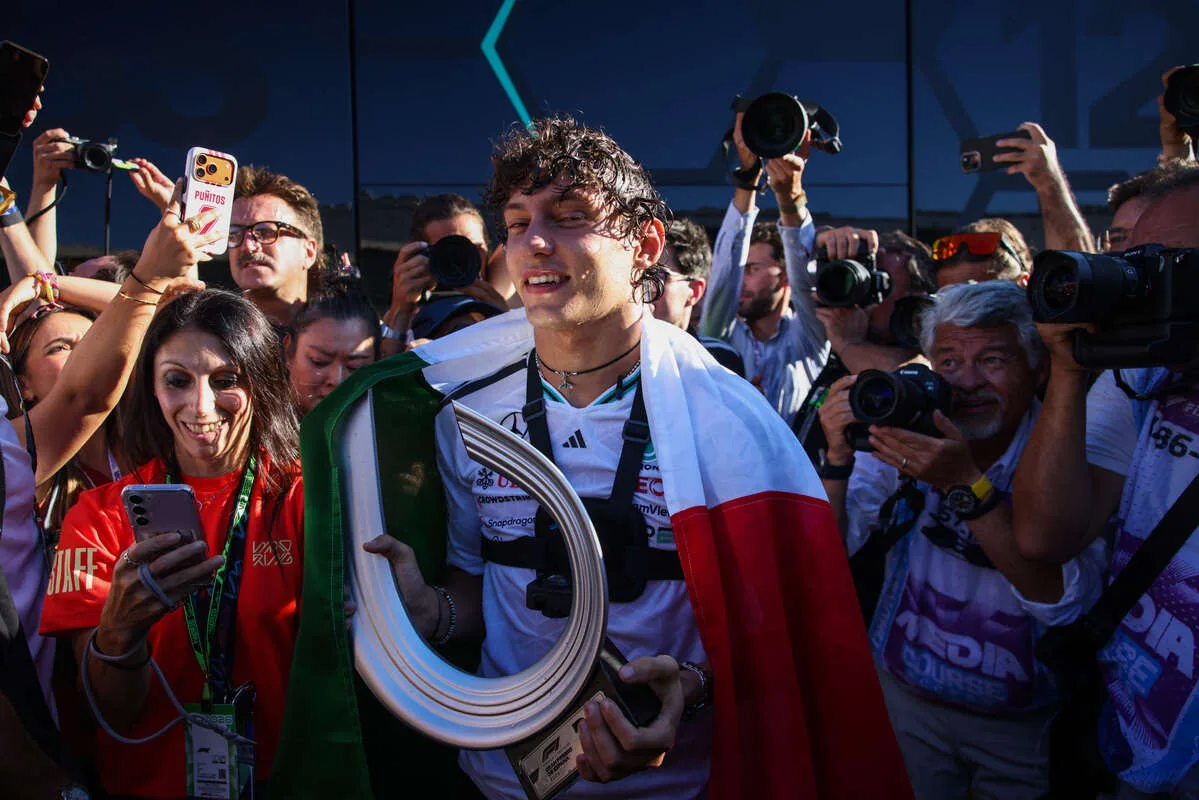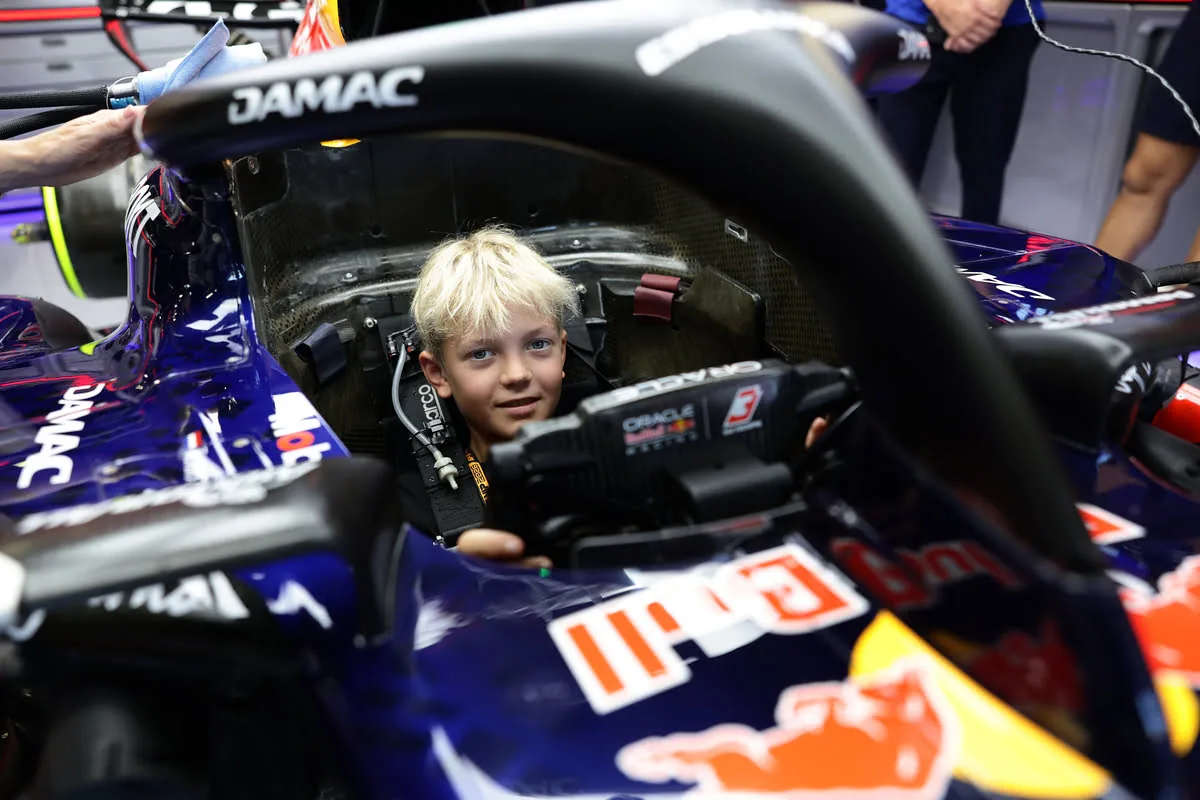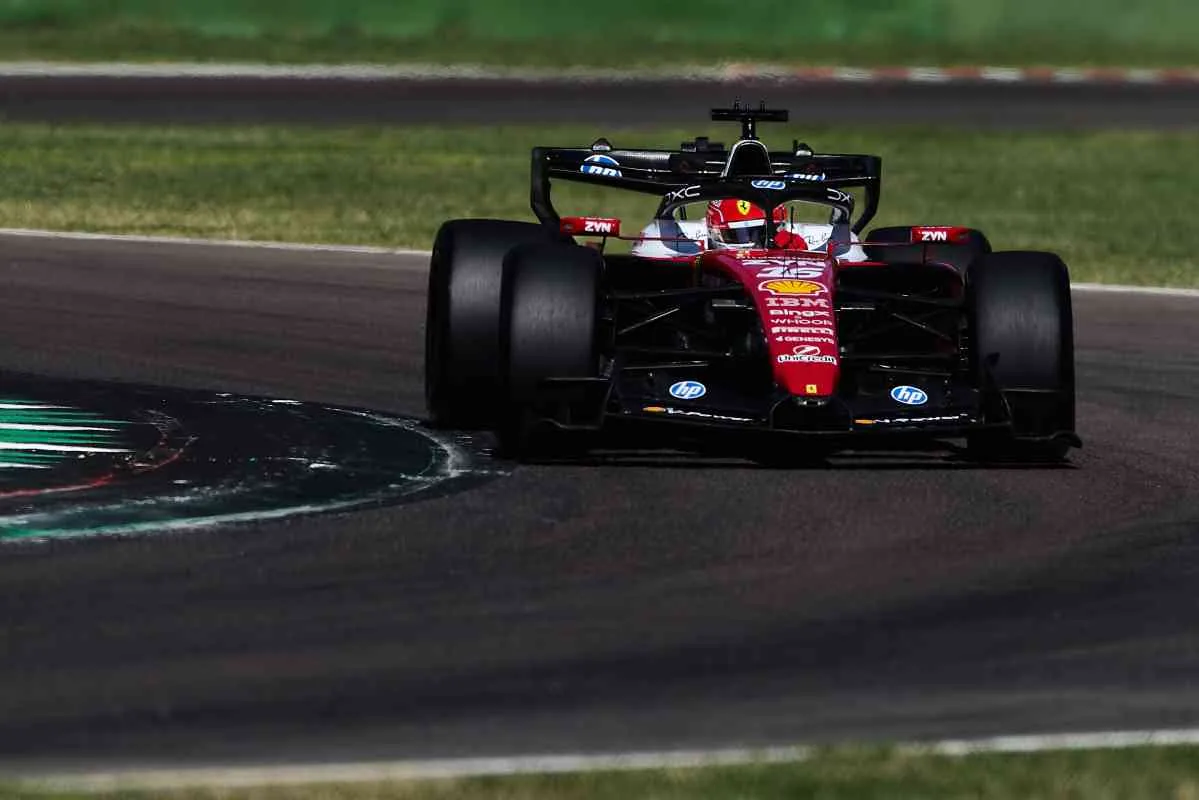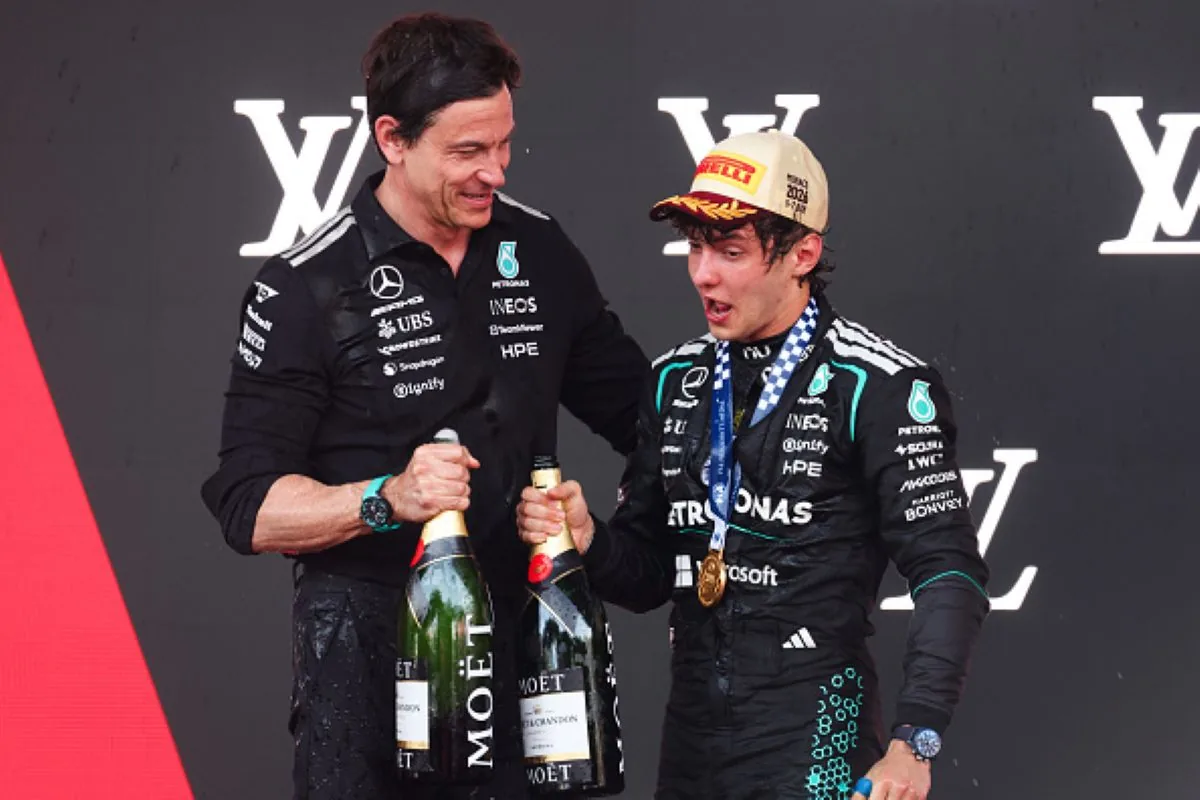





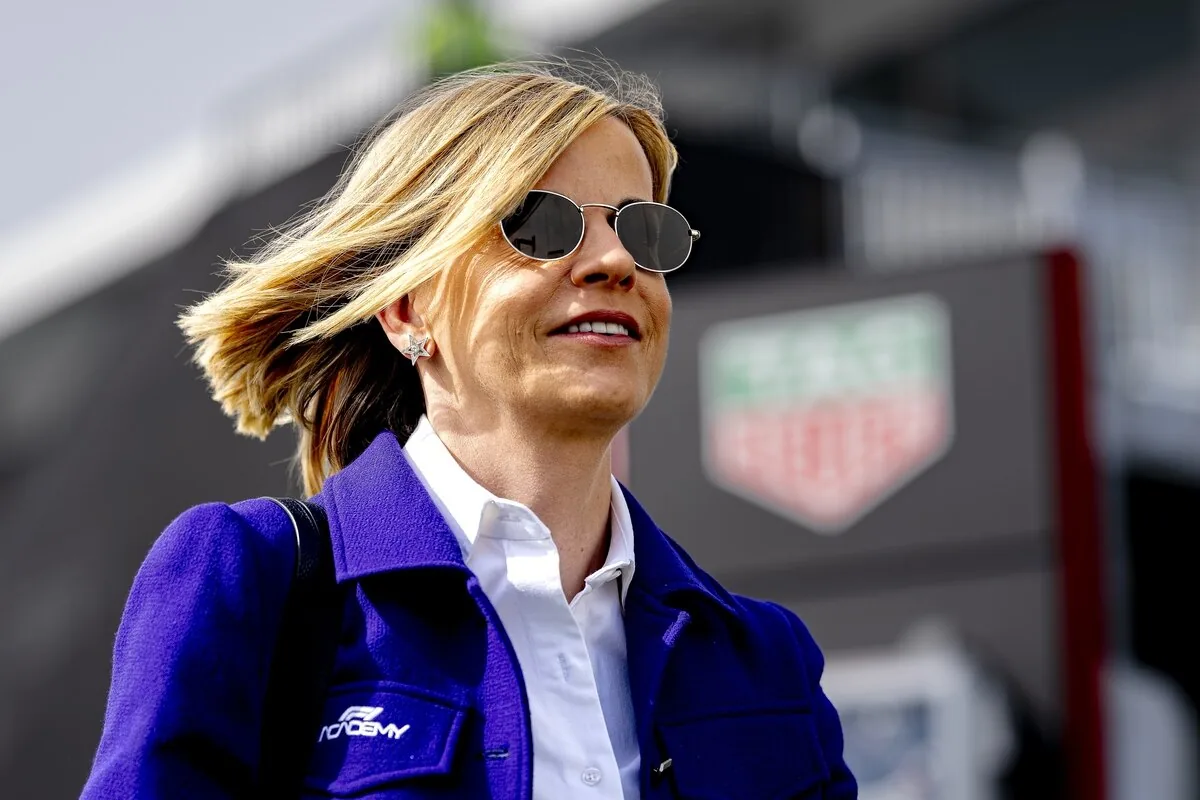
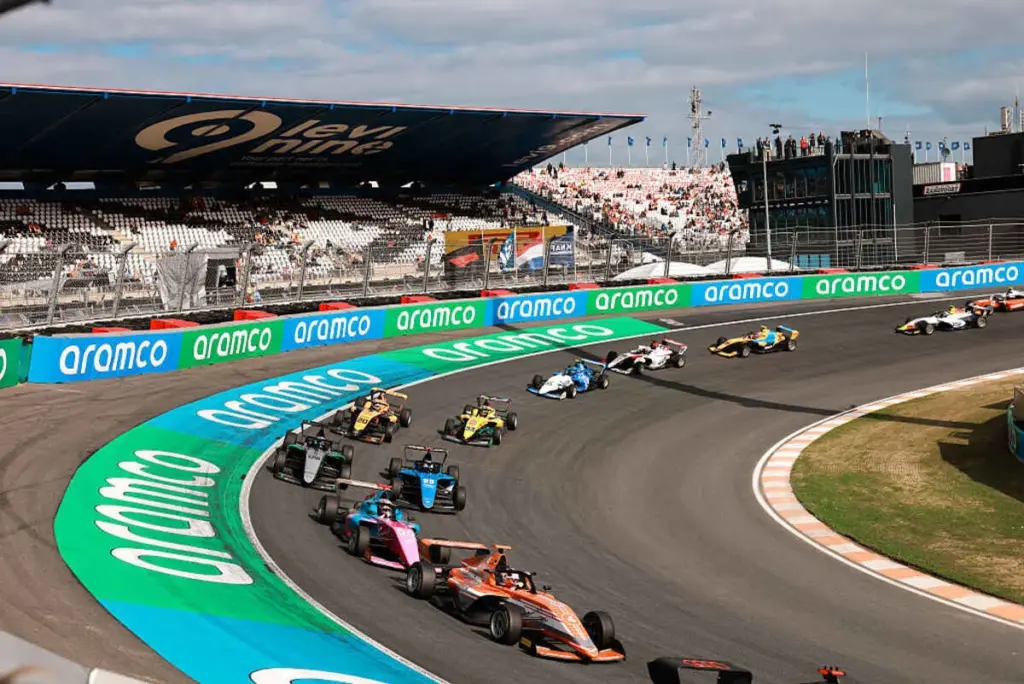
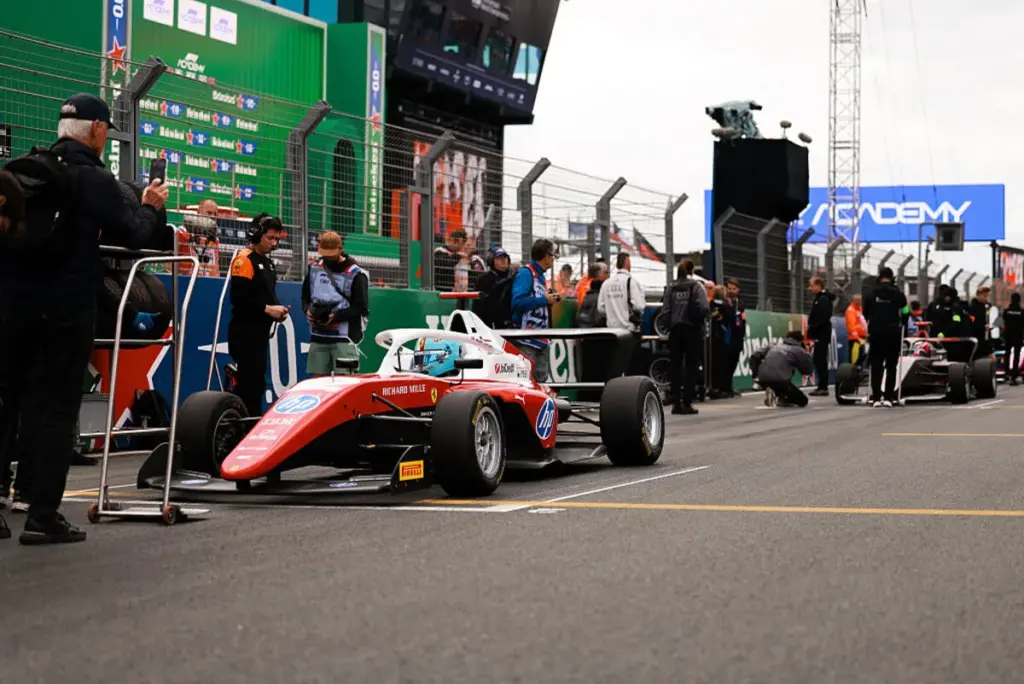
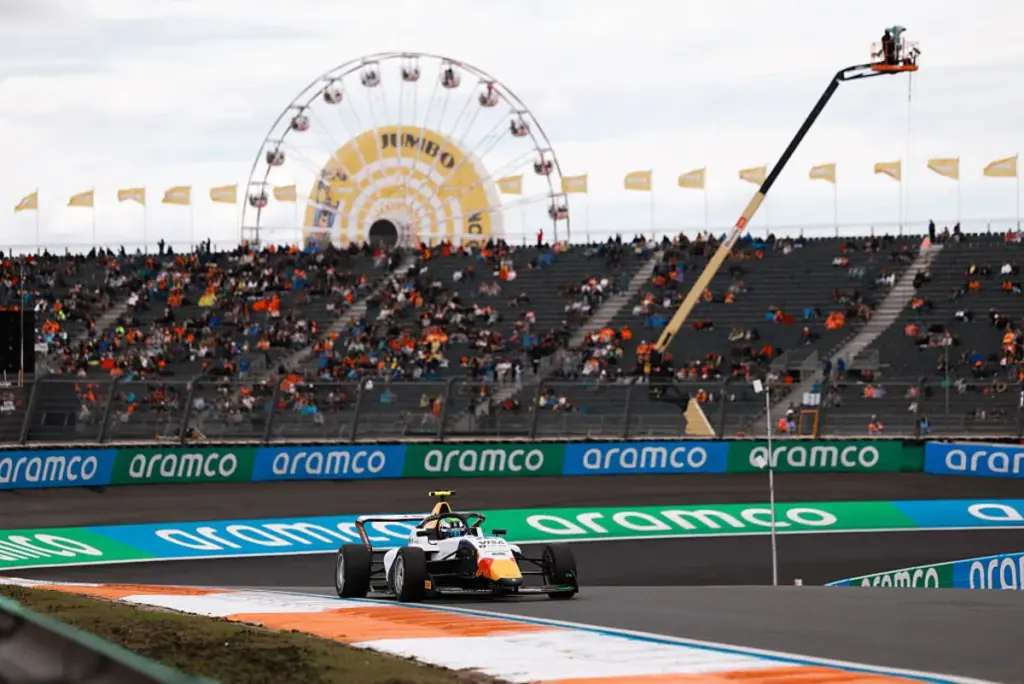
Breaking down the stereotypes that prevent young girls from pursuing a career in motorsport. This is the mission of the F1 Academy, the 100% female championship that in a very short time has become even more popular than Formula 3 and Formula 2, second only to Formula 1. FormulaPassion spoke directly with Managing Director Susie Wolff, who during the Dutch Grand Prix explained the progress made in recent years and the work still to be done to break down the cultural barriers behind the low female participation in motorsport.
Read more Antonelli kissed by luck? Herbert: “True, but he is always there ready to seize opportunities”
What is the ultimate goal of the F1 Academy?
“The purpose, which many misunderstand, is not simply to bring a woman into Formula 1. In a very short time frame, we have tackled people’s stereotypes in this environment and created a talent pool that is making its way. We are not a governing body, but simply a series with a huge task. We have to be a championship and at the same time try to help our winner continue to succeed in the sport.”
“We are really lucky to receive full support from Formula 1 and the teams. This has allowed us to bring brands and partnerships that have never existed in this context. Above all, it has helped us connect with our new global Formula 1 fan base. So I would say we are here to challenge the stereotype that there is no room for women in this sport, whether on or off the track, but also to inspire new generations to see motorsport differently.”
Regarding stereotypes, do you think women or young girls can internalize them and maybe believe themselves that they don’t have what it takes?
“It varies depending on cultures. There are some areas, like the United States, that are incredibly advanced in this. Young women now see women’s sports as something inspirational and of great value. In some European countries, it will take a bit longer to break down stereotypes. Even from my personal experience of over 25 years in this sport, there was the idea that if you liked racing you had to be a tomboy, that you were an exception. In reality, now, the female F1 audience has reached 42% of the global audience and I think it will continue to grow. I think we are breaking down those stereotypes, showing that you can be feminine, love fashion, follow the drivers’ girlfriends and wives and at the same time love racing, whether you want to be an engineer, a driver, or simply a fan. It shows these women that there is a place for them in this sport and I think that is a big step forward.”
Do you think that nowadays girls and women face more obstacles in their careers than men?
“Yes. We received incredible statistics from our partner Dirt is Good. A survey was conducted among parents across Europe and it showed that boys are 38% more likely to be encouraged to learn how something mechanical works. Seven out of ten parents agree that boys are more likely to receive tools, science kits, or racing-themed gifts. Many relatives say society believes men are more capable than women in motorsport. We see that those stereotypes exist and we also know from various governing bodies that female participation in this sport is very low. There is work to be done.”
So often, the first barrier is within the family…
“100%, because a girl cannot drive alone to a kart track, nor can she buy a go-kart herself. She needs a parent who believes it is possible for her to compete in this sport and who is willing to take her to the track. Outside the kart track, at home, a girl needs to feel that it is absolutely acceptable for her to want to become an engineer or an aerodynamicist in Formula 1. To date, I am not sure all parents believe there is space or opportunities for their daughters to succeed.”
What advice would you give to men who want to help change the system?
“Sometimes people underestimate how small actions can have a profound effect. The language you use to talk about women competing in our sport, what you use to express your expectations towards your daughter, or the support you show towards the F1 Academy all play a big role in how young girls perceive themselves in the world and how they see the opportunity to be involved in motorsport. However, I think there is great awareness of this among decision-makers in this paddock. Our sport has changed a lot culturally. We have an incredible female fan base we need to speak to and I think there is a lot of positivity about what we are doing. Obviously, I am the first to say more should be done, but speaking to men in relevant positions, I would say do not underestimate their influence.”
Staying on the topic of advice, do you have any for a young girl thinking about starting to race karts?
“Starting from the track, I would say there is a huge network of kart tracks to start from. For those girls who want to become mechanics or engineers, I would say that in the paddock we have very successful women who can be role models. It’s about being inspired by people in the sport and understanding your interests. Just this weekend there are 22 Formula 1 drivers and 18 F1 Academy drivers, but in this ecosystem there are thousands of people here for this race. Find which part of this ecosystem interests you, find who holds those positions, and be inspired.”
What do the indicators say about young girls starting to race go-karts? How important is it for them to see themselves represented?
“Starting from this, I would say having [female] visibility is extremely important. Sometimes in life you need to see something to believe it and the girls racing today are definitely role models for new generations. We cannot forget how powerful it is to see a young girl put on a Ferrari or Mercedes suit and go on track the same weekend as Formula 1. Then there are the jobs off the track, like the engineers we have in the paddock. It’s a whole ecosystem that inspires women through other successful women in this sport.”
“Regarding those coming up, I am very lucky to have a small child who has recently started racing, so I spend a lot of my free time at kart tracks. I see firsthand how many more girls are appearing. Obviously, we would like to see many more, but we are on a positive trajectory. There are many more girls and it is important for us that parents also see that there is now a path for them. I think this is a sport with big financial barriers to entry. Making it is difficult for any driver, regardless of gender, but now the F1 Academy has become a destination they can aspire to.”
One of the discussion topics is what is the best approach to help young girls get involved in motorsport. Isn’t it risky to group all female drivers in a separate championship instead of helping them race in Formula 4, Formula 3, or Formula 2?
“I could answer yes, but how would you make it work commercially? If I had a lot of money, I could go and support 10 drivers in 10 different championships, but how would you finance it long term? There is no pot of gold with 10 million euros that we can give to our drivers every year. It is thanks to the entire F1 Academy model that we manage to have partners and a commercial model that can be stable in the medium-long term, but also much more impactful than simply supporting 10 drivers.”
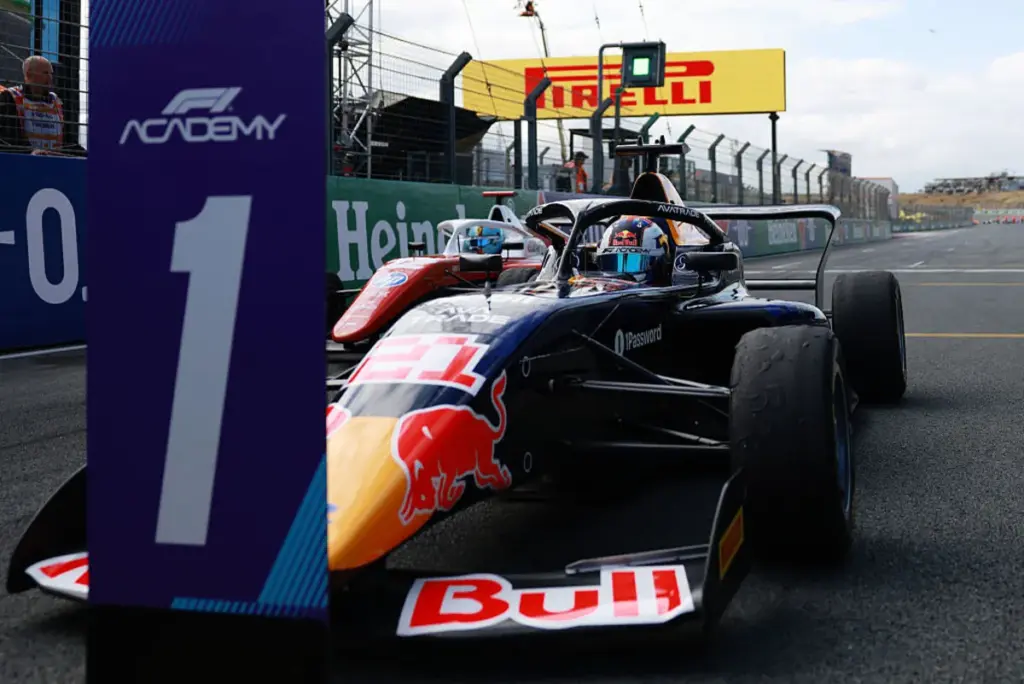
“Being here this weekend, thanks to our partnerships, allows us to reach a much wider audience and do much more than simply support 18 drivers. We manage to challenge the perception of who belongs in this place and bring beauty brands, like with collaborations with Hello Kitty. I agree that probably those 18 drivers would not want to be segregated, but by doing so we manage to have a big impact and the best should continue and achieve more success in motorsport. We know how difficult it is to find funding, but we fully support our winner. By existing as an exclusively female championship, we can do much more. With this, we are not saying women cannot race against men. You can go in any category and do it. For example, many of our drivers compete in Formula 4, but they can only do so because they have our support and the visibility of the F1 Academy.”
The issue of separating female drivers from male drivers also relates to the topic of gender quotas, which can be useful but also have side effects in any aspect of life…
“Sometimes it is very easy for people to look from the outside and say ‘you should do this or that’, but you have to deal with an economic reality. We are not a governing body. We do not receive heaps of money to invest in the development of female talent. I have received great support, but building something that is economically sustainable and gives a return on investment to Formula 1 teams and our partners is a difficult task.”
What would you say to those who argue that women and men cannot race together on track?
“Well, I have driven a Formula 1 car and Dorianne Pin just did. I firmly believe it is possible. I think it is difficult for any driver to reach Formula 1, regardless of gender. There are many male drivers who deserve to be on that grid and who will never have the opportunity. I am absolutely convinced, however, that if a girl were fast enough and talented enough, she could compete at this level.”
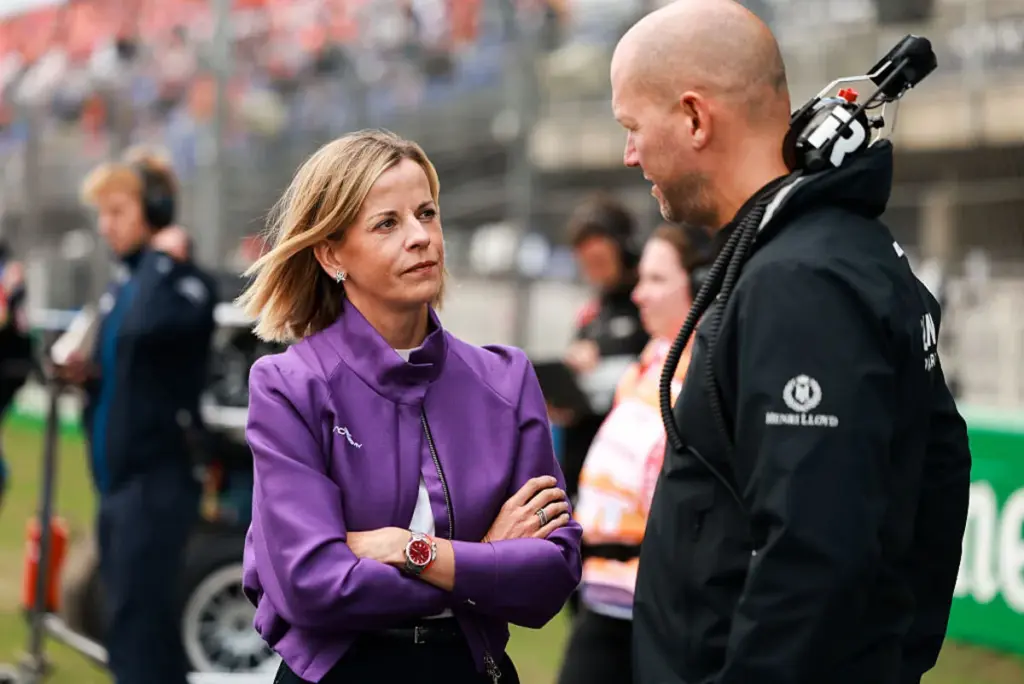
What is the best journalistic approach to telling a positive female example in motorsport? Treat it as an exception or not?
“I hope one day we reach the point where there is no distinction between male or female driver. They will not be exceptions, but today they are. Regarding Italy, I spend a lot of time there with my son who races. There are no Italian female drivers, neither in karting, nor in Formula 4, nor elsewhere. There is clearly a cultural perception problem in Italy, despite Antonelli, who is now a superstar, or Ferrari’s legacy. In some countries, we see that when bodies are very proactive in getting girls interested in the sport, there can be great consequences in a short time frame, in which many more women participate. Italy, however, is an example where we see almost no female talent.”
As projects like the F1 Academy or Women in Motorsport grow, do you feel greater awareness or maybe greater resistance from the male staff in the paddock?
“Resistance, I would say no. I receive enormous support from the entire ecosystem. Sometimes I have the feeling people expect the F1 Academy to solve all problems, but we are a championship, not a governing body. There is a limit to what we can do with what we are given. I think in a short time frame we have shown the impact we can have, but surely there must be a collective effort. It cannot fall entirely on us to solve all problems, or rather, to break down all barriers.”
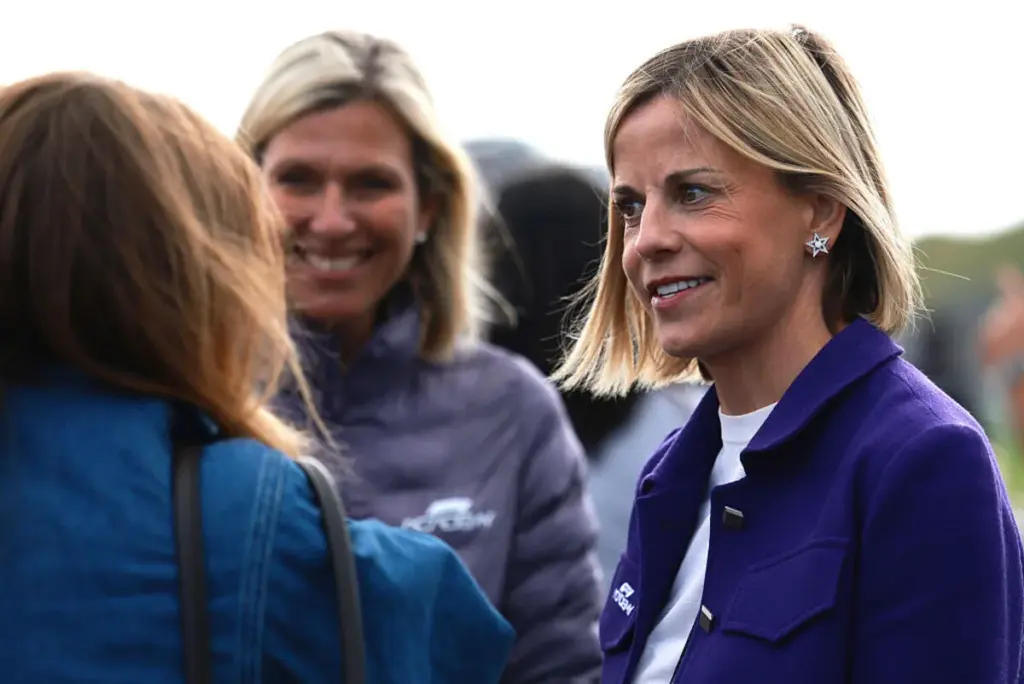
A million-dollar question: what could be a realistic timeline to see a woman race again in Formula 1?
“I think if we do a good job, it is inevitable that sooner or later a woman will arrive in Formula 1. I don’t like to give a specific timeline, because obviously it is not in favor of the drivers racing today. However, I don’t think success for us is simply getting a woman into Formula 1. It is the pinnacle of motorsport, it is incredibly difficult to get there, regardless of gender. There are many boys who deserve the opportunity to race at the highest levels in Formula 2 who will never sit in a Formula 1 car. I don’t want to give timelines. But do I think it will happen sooner or later? Absolutely yes.”
How important would it be for you, considering your experience?
“It will not be the moment I would define as the big victory. I have seen Doriane Pin drive a Mercedes Formula 1 car. It brings back good memories of me driving a Formula 1. I don’t think it will simply be the moment I see a woman on the Formula 1 grid that I will think we finally made it. We will have a positive impact on this sport, regardless of getting a woman into Formula 1.”
Read more Di Giannantonio: “We are showing good speed on every track”