




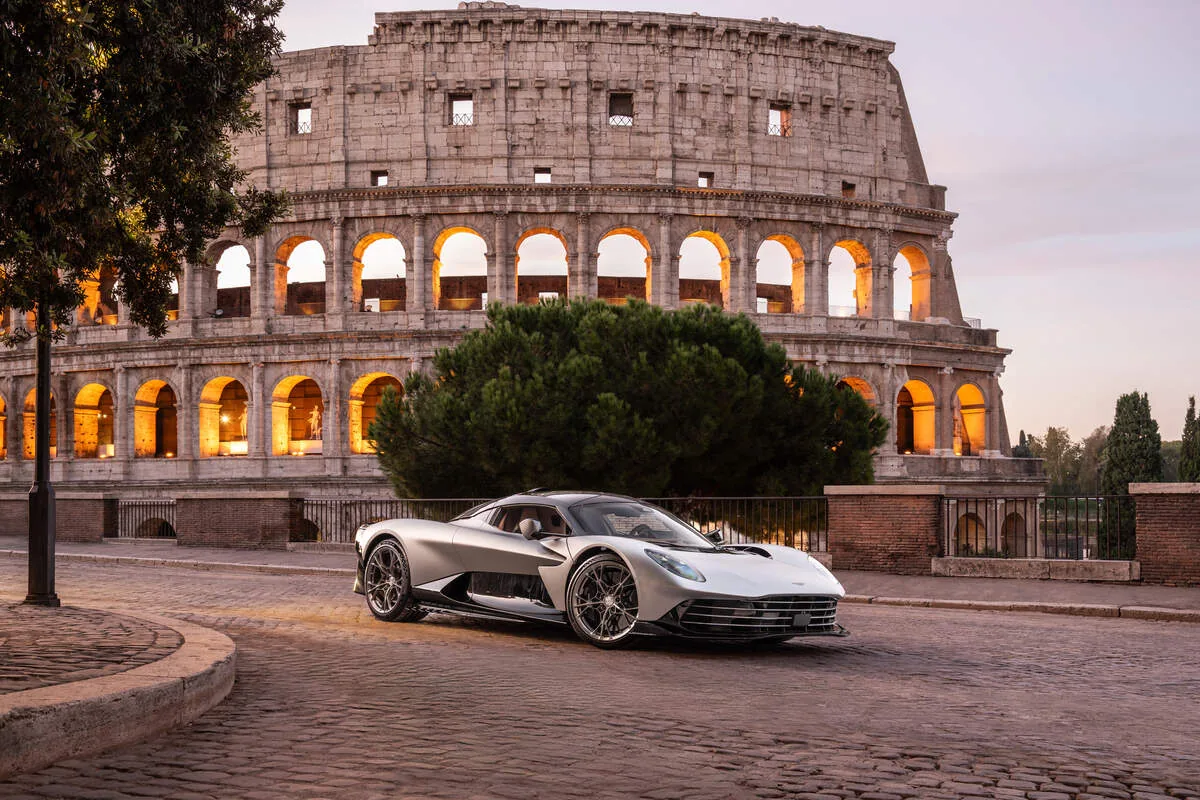
Aston Martin has decided to maintain the annual forecasts despite recording a loss higher than expected in the second quarter. The company aims to turn the difficult period into a financial turnaround, focusing on sales of its hybrid supercar Valhalla. But also on cost control and new financing to strengthen its liquidity. Despite signs of improvement, investors remain skeptical. Among the factors weighing are US tariffs, the weakness of the Chinese market (one of its main testing grounds), and cash flow pressures.
Aston Martin bets on Valhalla
According to CEO Adrian Hallmark, the company is on the right track to achieve significant financial improvement in 2026 compared to 2025, with a stronger second half of the year. The balance sheet is also supported by capital raises and direct injections from the main shareholder Lawrence Stroll. Since taking control in 2020, the Canadian magnate is said to have invested over 600 million pounds. On the stock market, Aston Martin shares have returned to positive territory, although still well below past levels. Analysts and market players are assessing how much the measures taken can really impact profits and the company’s ability to withstand market shocks.
Unchanged forecasts despite losses
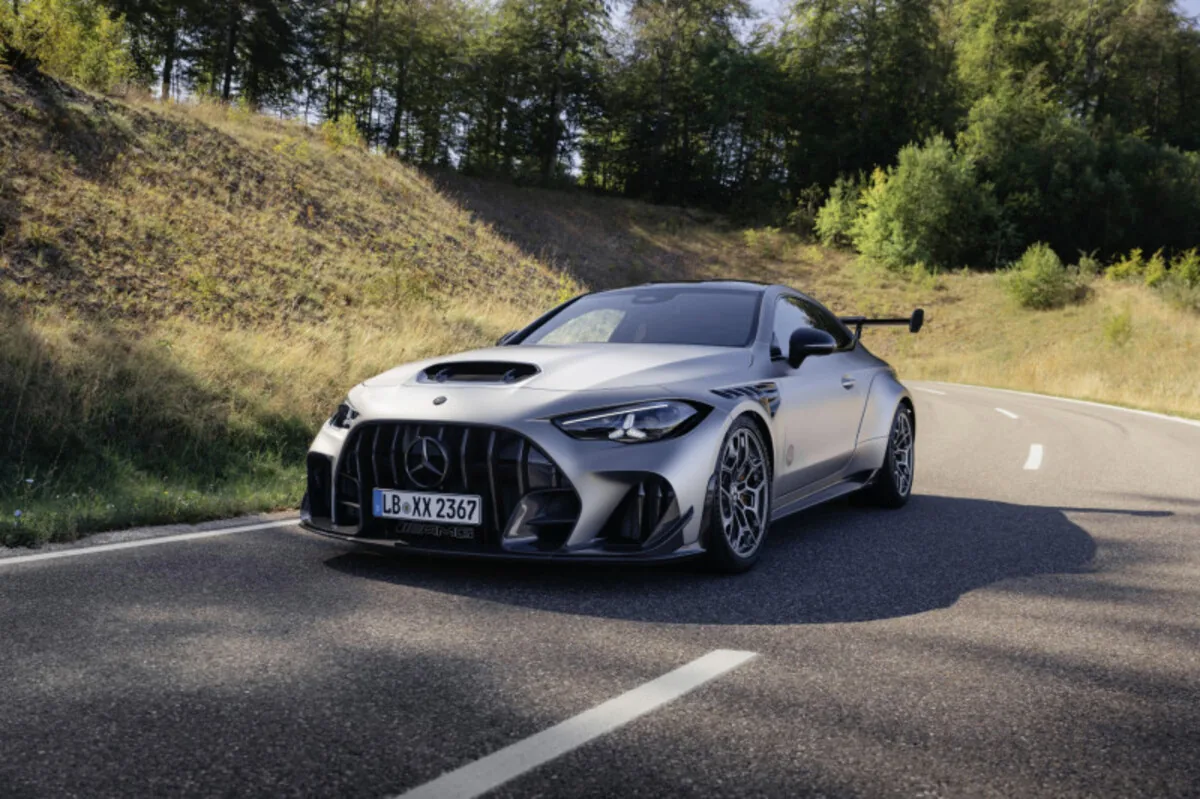
A central aspect of the strategy is the Valhalla. The plug-in hybrid supercar generated 220 sales in the six months up to June, and the company expects the best quarter for volumes, including vehicle deliveries, to be the final one of 2026. The British brand also emphasizes that conditions remain difficult for the entire sector, including the repercussions of the Middle East conflict, while stating that the impact so far has been limited. The adjusted operating loss in the second quarter was reduced to 52 million pounds but remains worse than analysts’ estimates.
Read more Fornaroli-Haas, Toyota stands in the way: the Japanese want Hirakawa
Click here to add Formula Passion as a preferred source on Google Discover: you will find our content more easily!