






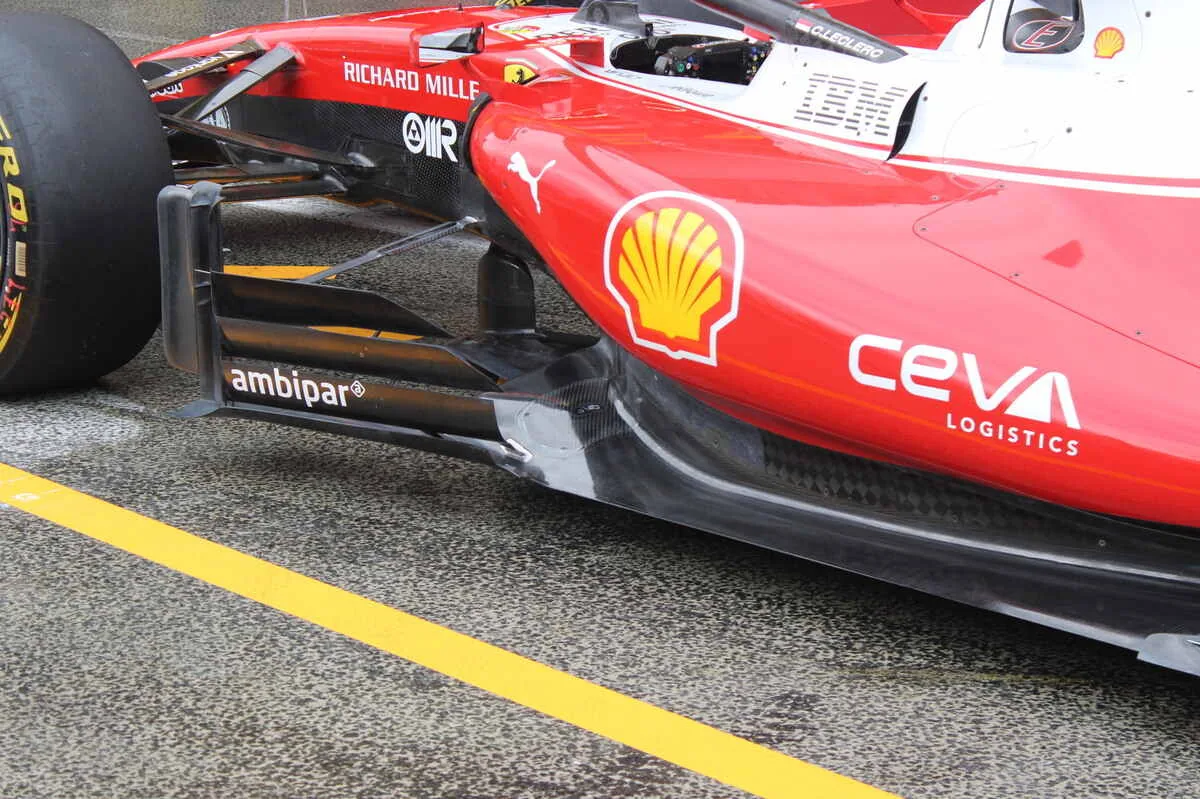
At Zandvoort arrives the third major package of updates of the season for Ferrari, after those in Miami and Barcelona. In the Netherlands, there is a new floor for the SF-26, modified from the elements in the inlet section up to the diffuser. The goal, besides increasing downforce, is to improve aerodynamic robustness under external conditions, a quality especially valuable on the windy Dutch track. However, the debut of the updates could be postponed, with the team preferring to run the first practice session in the old configuration due to the risk of rain.
Read more Dutch GP 2026, FP1 LIVE: drivers on track at 12:30
The Zandvoort package
With the third package of the year, Ferrari has evolved and refined the solutions already present on the car, confirming satisfaction with the basic concept of the SF-26, without feeling the need to overhaul it. The inlet section of the floor, for example, maintains the double-entry setup, which has already set a precedent on the McLaren. What changes in the Netherlands are only the flow guides, now with a sharper outline and a different curvature.
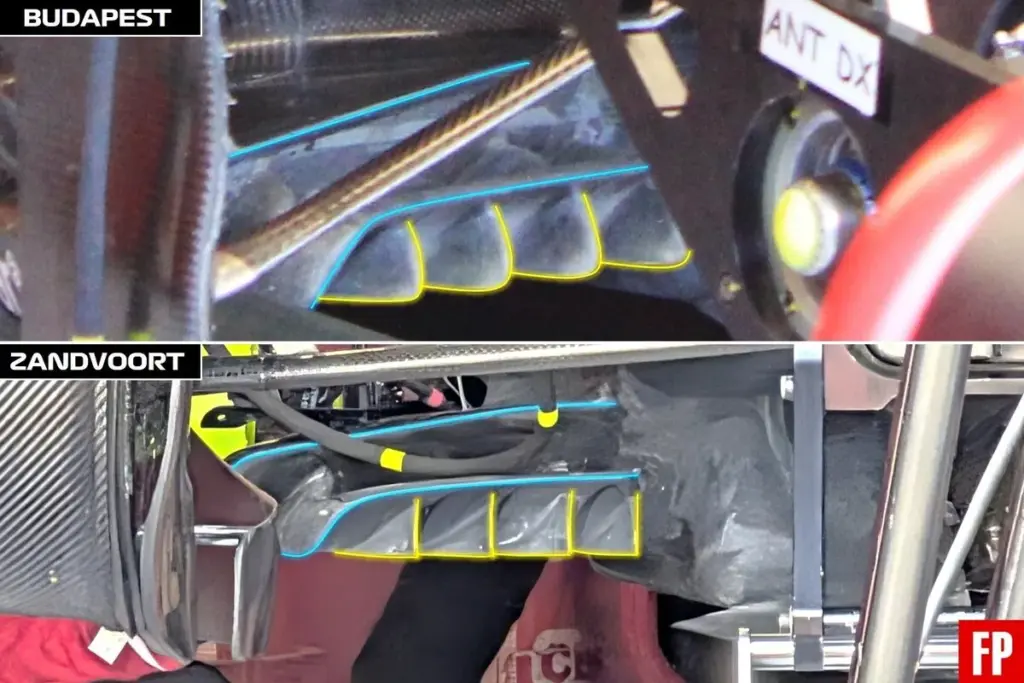
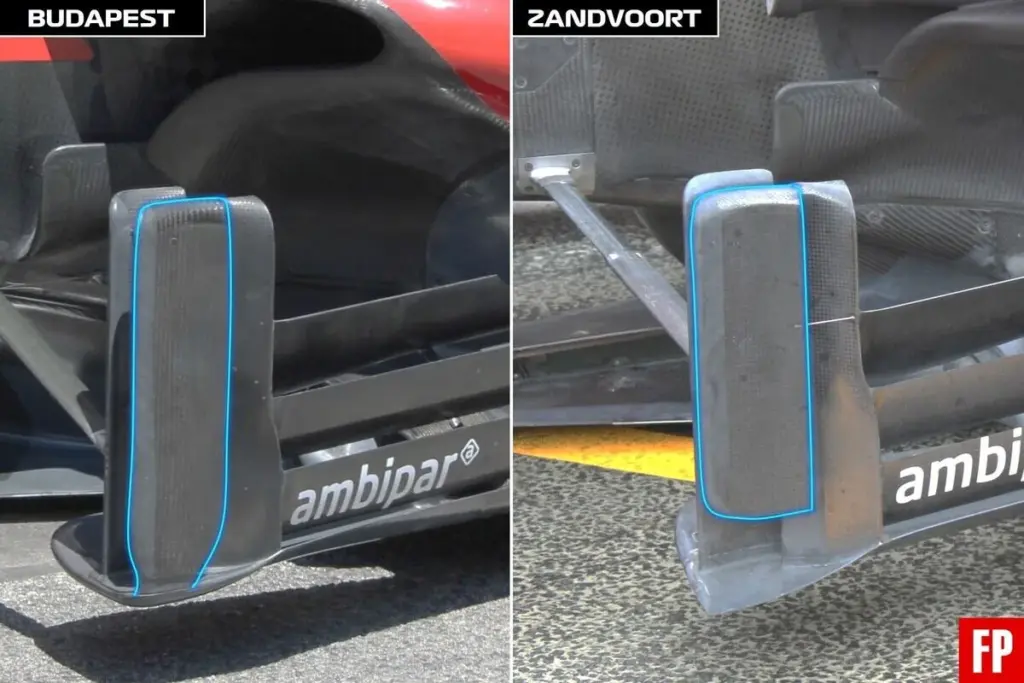
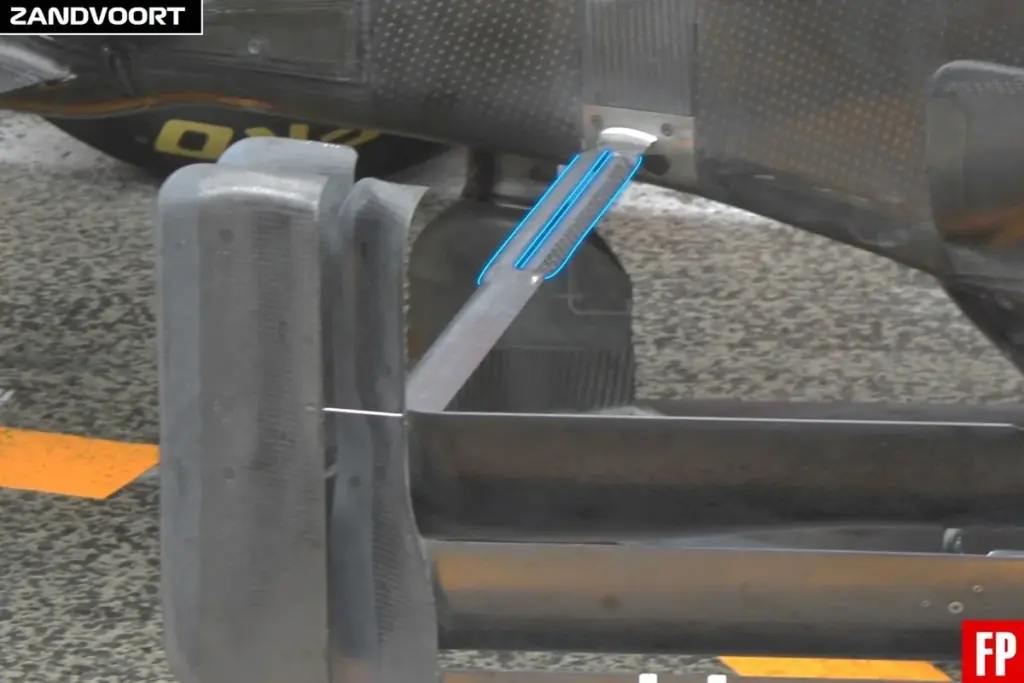
Outside the most forward section of the floor, the new bargeboards stand out to manage the turbulence from the front wheels. Ferrari insists on the three-element configuration, already tested with the Barcelona package and then temporarily abandoned between Austria and Spa in favor of a single-element architecture. This time, the outermost panel is shorter and suspended relative to the floor, whose outer edge has been tweaked. Additionally, the Prancing Horse has worked on the oblique arm anchored to the chassis supporting the floor, opening a small blowing hole useful to clean the flows.
Read more Antonelli: “Ferrari main rival from now on. McLaren favorite at Zandvoort”
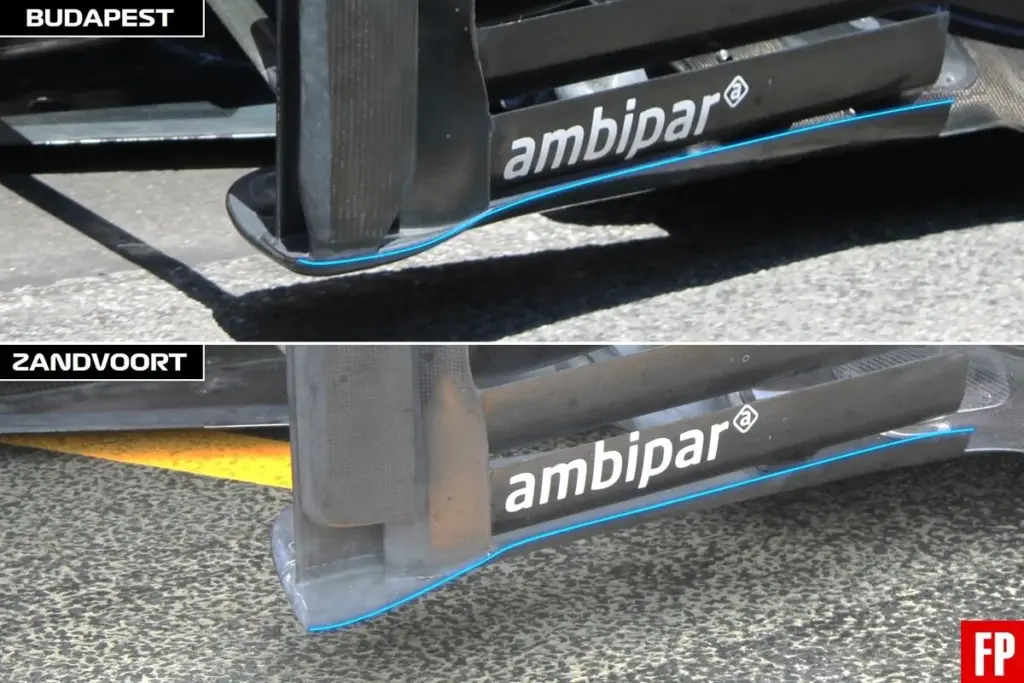
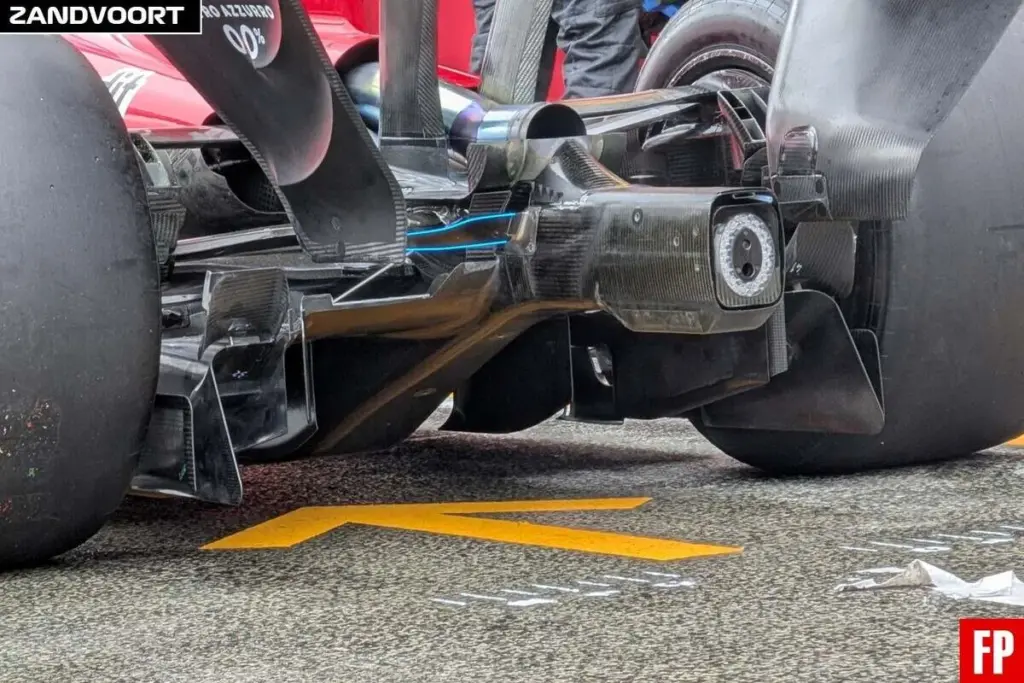
Finally, Ferrari has updated the diffuser, in an area of extreme importance for the current generation of cars. The aerodynamic department has revised the slope and internal walls, which are difficult to appreciate from the outside. Instead, the new beam-wing can be observed, the wing profile running just above the extractor. The modification mainly concerns the area near the impact structure, where a more twisted flap is noticeable compared to the previous version.
The goal
The updates developed in Maranello aim, as always, to increase downforce and aerodynamic efficiency, but not only that. Ferrari has worked to increase the energy of the flows running under the floor, so as to keep them attached to the carbon surfaces over a wider range of conditions, also reducing sensitivity to external gusts of wind. The ultimate goal is to widen the operating window and improve predictability at the wheel of the SF-26, valuable qualities to try to keep the championship open, also relying on the updated power unit expected at Monza. We just have to wait for the new floor’s track debut to assess its actual effectiveness, since Ferrari chose not to fit the updates during the first practice session in the Netherlands to avoid damage given the risk of rain.
Read more Verstappen Renewal, Hamilton: “He chose the easier path”