


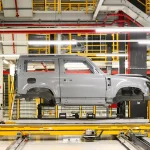


The urban mobility of the future does not come “from afar.” In fact, it is already a reality, especially where driving is progressively transforming into an automated service. In many cities, the key idea can be summarized in a simple formula: as little human intervention as possible, more reliance on systems capable of perceiving the environment, modeling it in real time, and making decisions in complex and highly critical conditions. The consulting firm McKinsey emphasizes that the future is still evolving, but the direction is now clear. Automation is no longer a laboratory prototype, but an industrial path.
Read more Mercedes scares: «Penalized by the cold, the potential of the package was not seen»
The urban mobility of the future
Behind this turning point, writes La Stampa in today’s edition, there is a market race mainly driven by the USA and China, fueled by billion-dollar investments. Physical artificial intelligence technologies are entering production chains and transforming cars into the most immediate “place” for integrated systems: perception, prediction, planning, and control. In this framework, vehicles become nodes of a broader ecosystem that connects production, energy, and operations in an increasingly automated cycle, as highlighted by studies and analyses from major financial institutions.
Technology applied to cars
Passengers are already seeing the first results. Globally, there are dozens of active robotaxi projects, with the USA and China leading in fleet size. However, mass adoption faces concrete obstacles: regulations often not yet ready, liability in exceptional cases, complexity of controls, and especially high costs to develop and operate the technology. The same companies pushing automation estimate longer implementation times and indicate challenging deadlines: the leap to more advanced level robotaxis is postponed, while mass use in urban areas proceeds cautiously.
Read more Antonelli on the derby with Russell: “We don’t want an internal war or a 2016 repeat”
Between robotaxis and flying cars
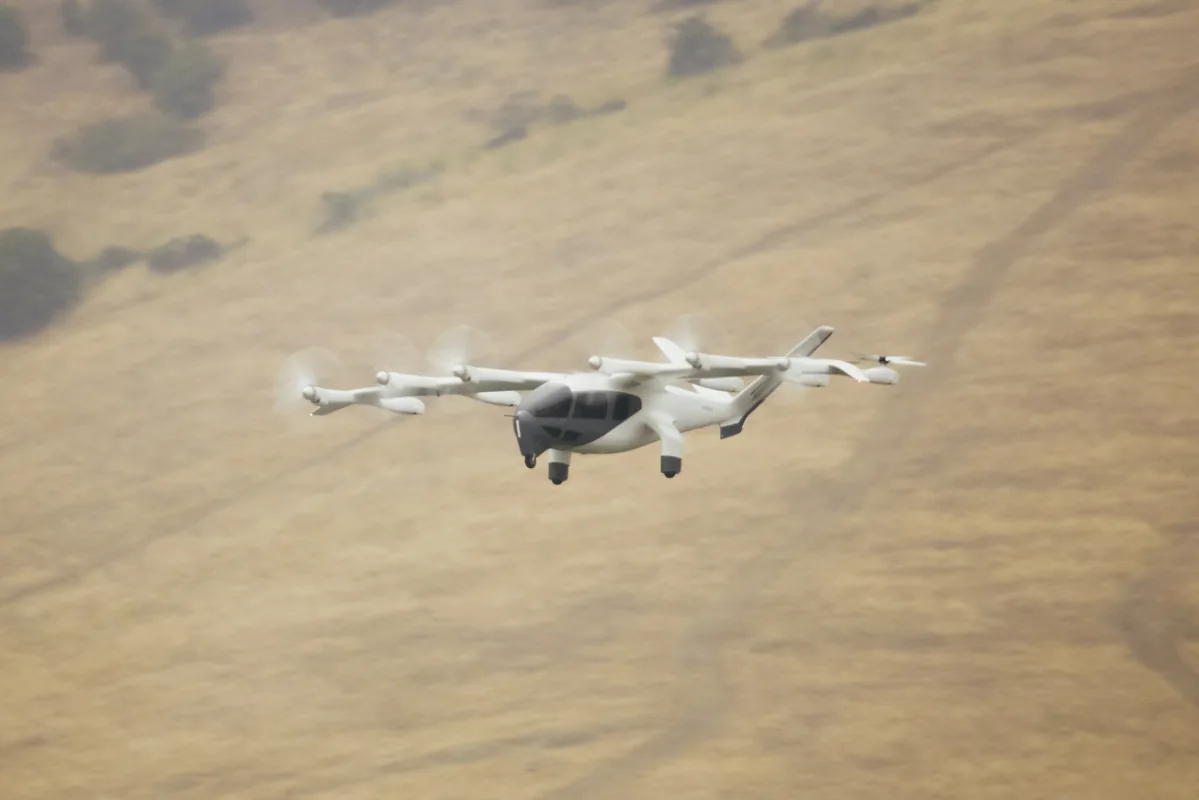
Meanwhile, the competition is also expanding to the sky: flying cars, drones, and VTOL aircraft are experimenting with architectures where autonomy must be “continuous” and managed onboard, with strict constraints on latency, energy, and safety. The drone market is growing rapidly thanks to mapping, inspections, and logistics, and is simultaneously entering strategic debate also for military and security uses. With a time horizon beyond individual vehicles, the estimated socioeconomic impacts include savings and benefits related to accident reduction, mobility optimization, and emission decreases. But the real challenge remains to bring automation to an urban scale.
Click here to add Formula Passion as a preferred source on Google Discover: you will find our content more easily!
Read more The FIA creates a new penalty: for Hulkenberg comes the ‘suspended’ stop and go