




The last Dutch dance
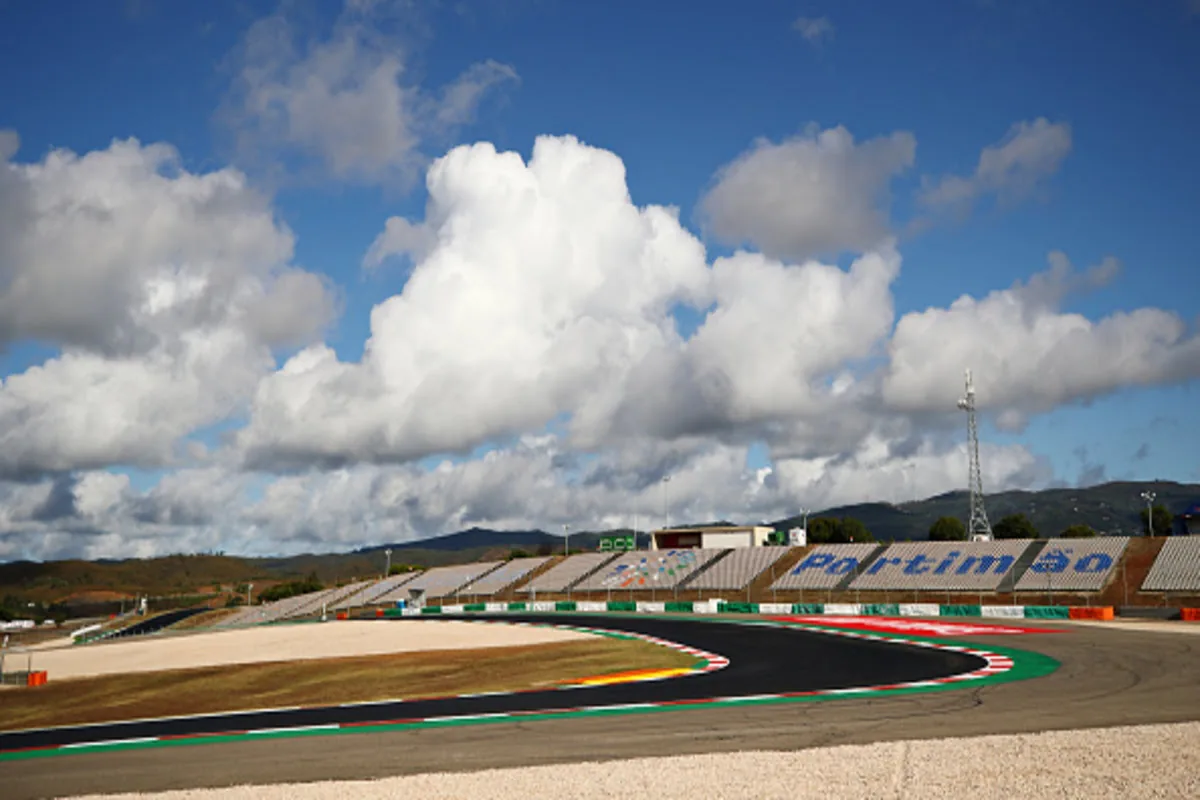
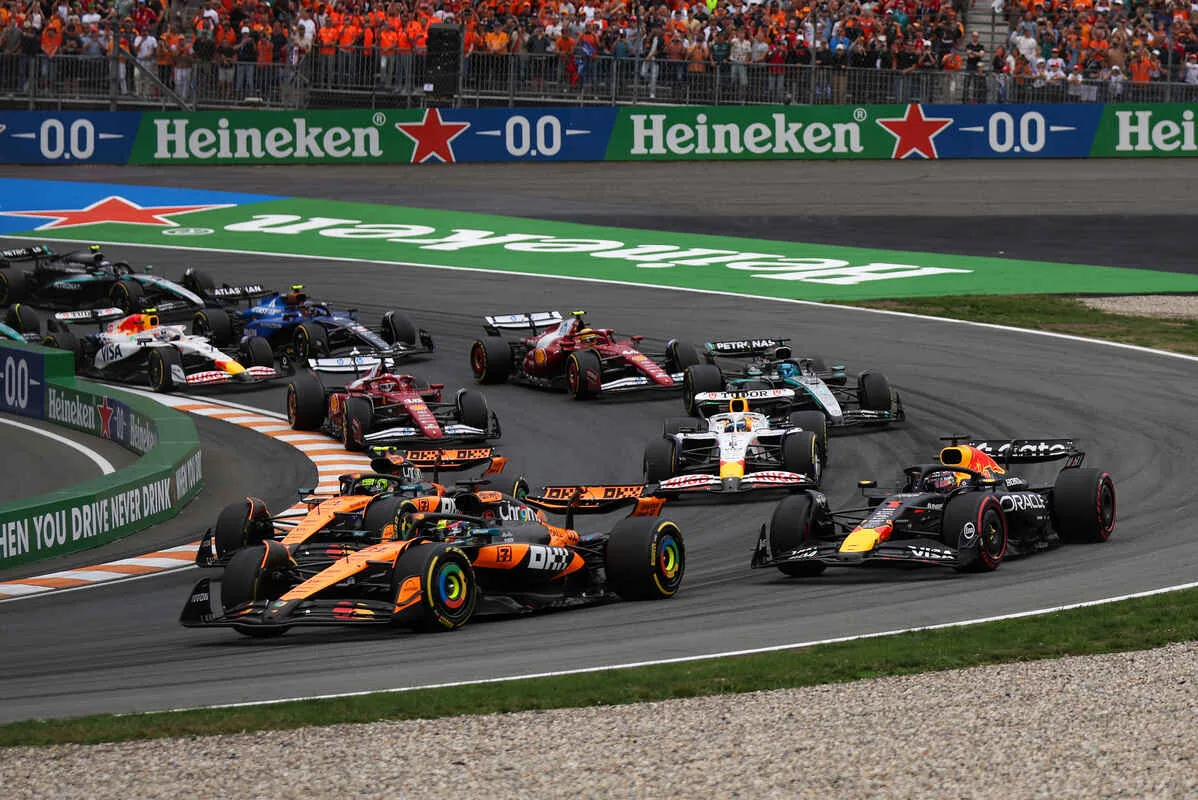
Formula 1 restarts with a Sprint weekend. The Dutch Grand Prix, at the Zandvoort circuit, will also adopt this format. The track, located on the shores of the North Sea, is 4.259 kilometers long and includes 14 corners. Its main peculiarity is represented by the two banked corners (3 and 14), whose slope is even steeper than that of Indianapolis.
For the appointment in the Netherlands, the selected compounds are C2, C3, and C4, as already happened last year. The choice to use a softer trio had favored a two-stop race, also thanks to the neutralizations, in which all available options were used.
The track, located just 40 km from Amsterdam, has a low level of grip both due to the characteristics of the asphalt, redone in several points over the years, and due to the sand coming from the nearby beaches, which the wind deposits on the track. This phenomenon can reduce grip not only from one day to the next but sometimes even from one session to another.
Tricky consumption
The Zandvoort circuit is particularly harsh on tires in terms of energy density, due to its short length and numerous corners, some of which are high speed. The two banked corners, with inclinations of 19 and 18 degrees respectively, generate very high vertical and lateral forces on the tires.
Read more Aston Martin, it is the weekend of truth: the new Honda PU can turn the season around
Teams must therefore carefully manage the car setup and, more generally, the interaction between car and tires. The level of aerodynamic load required is high, very similar to that needed in Budapest, the venue of the last appointment before the summer break.
The Sprint novelty
The Dutch round has been brought forward by a week compared to 2025. In theory, thermal degradation should play an important role in the middle of August, but temperatures in Zandvoort rarely exceed 20 °C and rain is a recurring element. Furthermore, the proximity to the sea makes wind gusts frequent, which could affect the drivers’ driving, especially with the new aerodynamics.
With the Sprint format debuting at Zandvoort, teams will have only one hour of free practice to finalize the car setup. While the Hard will most likely be the reference compound for Sunday’s race, the two softer options could both represent a valid solution for Saturday’s Sprint. In the strategies for the Grand Prix, the difficulty of overtaking will also be relevant, due to only one straight and the narrow track.